Yesterday, your child was eating vegetables – today, they suddenly only want pasta, bread, or fruit. Many parents then wonder: Is my child still getting all the important nutrients? Should I cook something different or be more consistent?
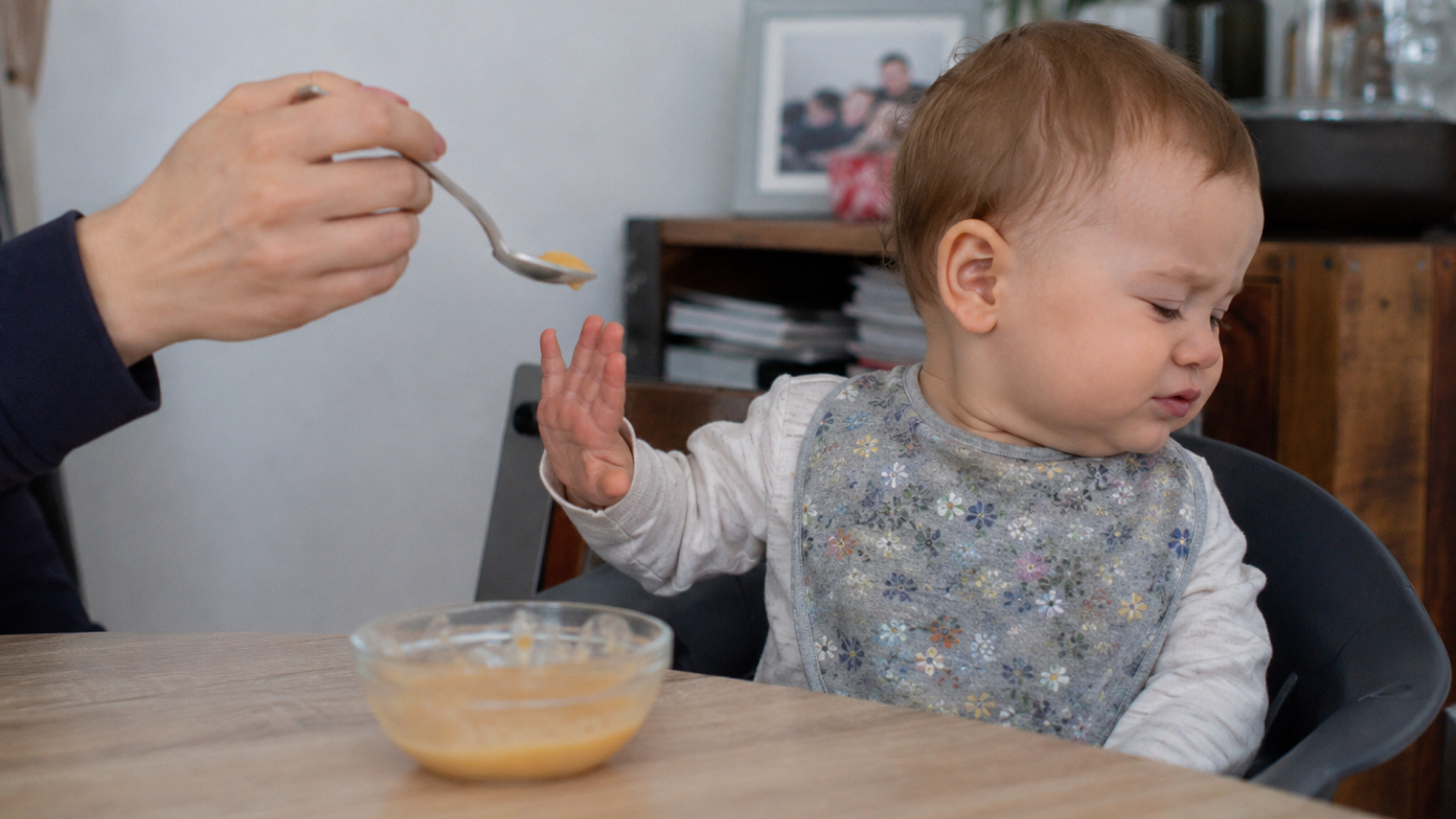
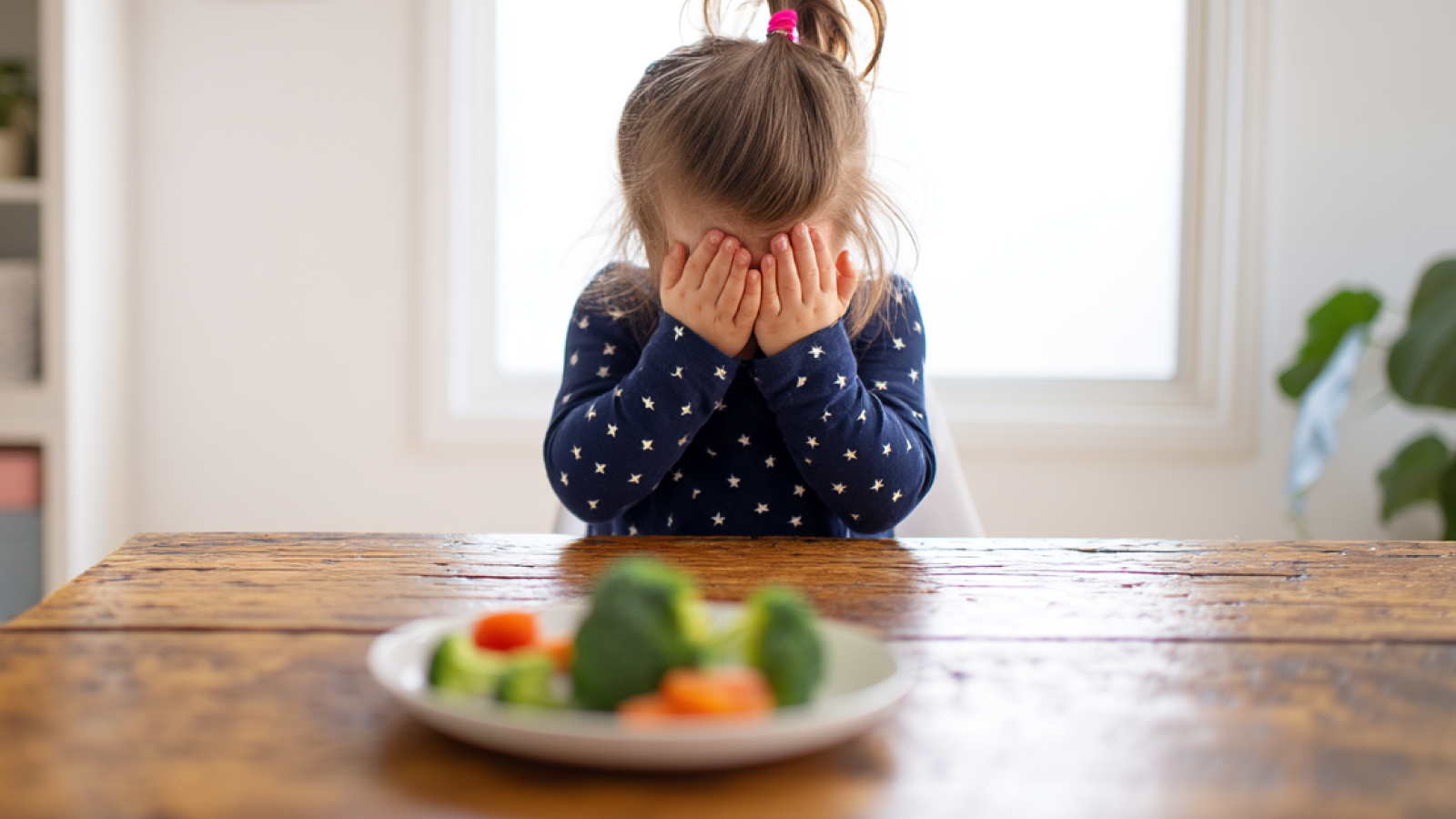
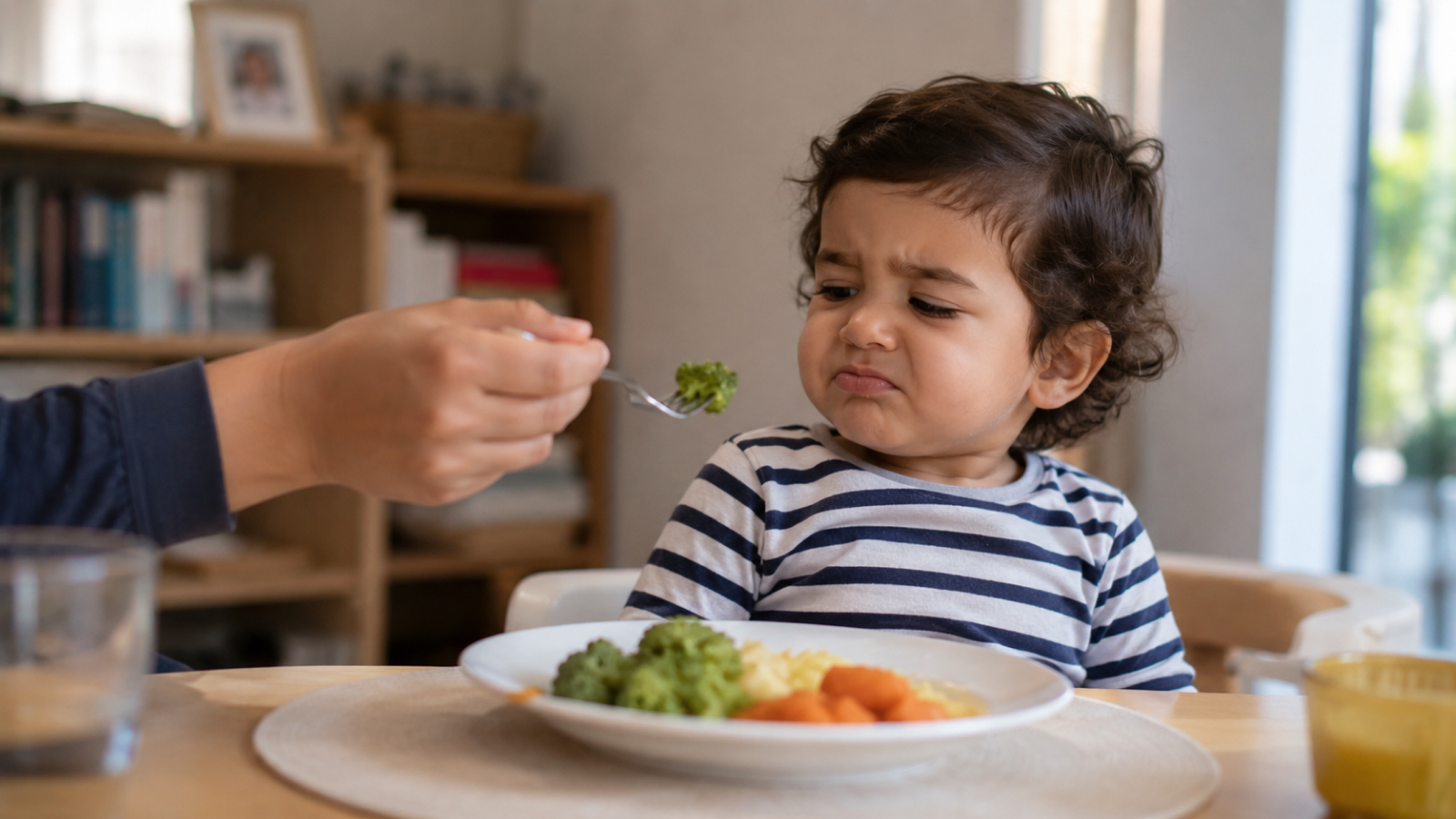
First of all: Picky eating is often a normal part of development between the first and fifth birthday. Many children temporarily have only a few favorite dishes, consistently reject new foods, or want to eat the same thing for days. This usually doesn't mean there's anything wrong with your child.
Why do many toddlers eat so selectively?
As children become more independent, they also develop their own preferences when it comes to food. At the same time, they often react more sensitively to the taste, smell, texture, or appearance of foods.
It's typical, for example, for children to:
- want to eat the same thing for several days in a row
- reject new foods
- dislike certain colors or textures
- not want foods mixed on their plate
- love something one day and completely refuse it the next
This phase is also known as Food Neophobia – the natural hesitation towards unfamiliar foods. It occurs in many children between the ages of two and five.
What is still normal at this age?
Many eating habits may seem unusual to adults but are often part of normal development.
For example, if your child:
- wants to eat almost only pasta, bread, or potatoes
- prefers fruit over vegetables
- repeatedly rejects new foods
- eats only small portions
- suddenly dislikes certain foods
- wants individual foods separated on the plate
As long as your child is growing, drinking enough, and generally seems healthy, these phases are usually no cause for concern.
Does my child have to eat vegetables?
Vegetables are an important part of a balanced diet. However, you don't have to turn every meal into a battle.
Children often need many encounters with new foods before they get to know them. It's completely normal for a food to need to be offered ten to fifteen times before a child tries or accepts it.
More important than each individual meal is the diet over several days or weeks.
What helps with picky eating?
Many families experience less stress when they take the pressure out of eating.
Helpful strategies include:
- eating together regularly at the table
- offering new foods repeatedly without pressure
- serving small portions
- involving your child in shopping or cooking
- modeling eating a variety of foods yourself
- accepting that not every meal needs to be perfectly balanced
Children learn to eat primarily by observing – not by being persuaded.
What Often Makes Mealtime More Difficult
Well-intentioned phrases can unintentionally increase pressure.
For example:
- "Just three more bites."
- "At least try it once."
- "Then there's no dessert."
- "Other kids eat this too."
The more pressure there is, the more many children stick to their refusal.
A simple division of roles is more helpful:
- You decide what, when, and where food is served.
- Your child decides if and how much they will eat.
This approach helps children develop their own sense of hunger and fullness.
When Should You Contact the Pediatrician?
It's advisable to consult a pediatrician if your child:
- accepts only very few foods over a long period
- consistently avoids entire food groups
- loses weight or barely gains any
- experiences pain while eating
- frequently gags or chokes
- appears very lethargic overall
- associates eating with significant fear or stress
If your child's eating behavior is a constant concern or if you're unsure, a conversation with your pediatrician's office is worthwhile.