When should my baby start solid foods? This question concerns many parents between the 5th and 7th month of life. Does your baby need to eat purees already? How can you tell if they're ready? And what if the first spoonful is spat out?
There isn't a specific day when every baby should start solid foods. It's not just about age, but whether your baby shows certain readiness signs. Breast milk or formula remains the primary source of nutrition even after the first spoonfuls.
How to tell if your baby is ready for solid foods
Many babies show several of these signs at the same time:
- They can sit upright with support and hold their head steady.
- They show interest in your food and reach for it.
- They watch attentively as others eat.
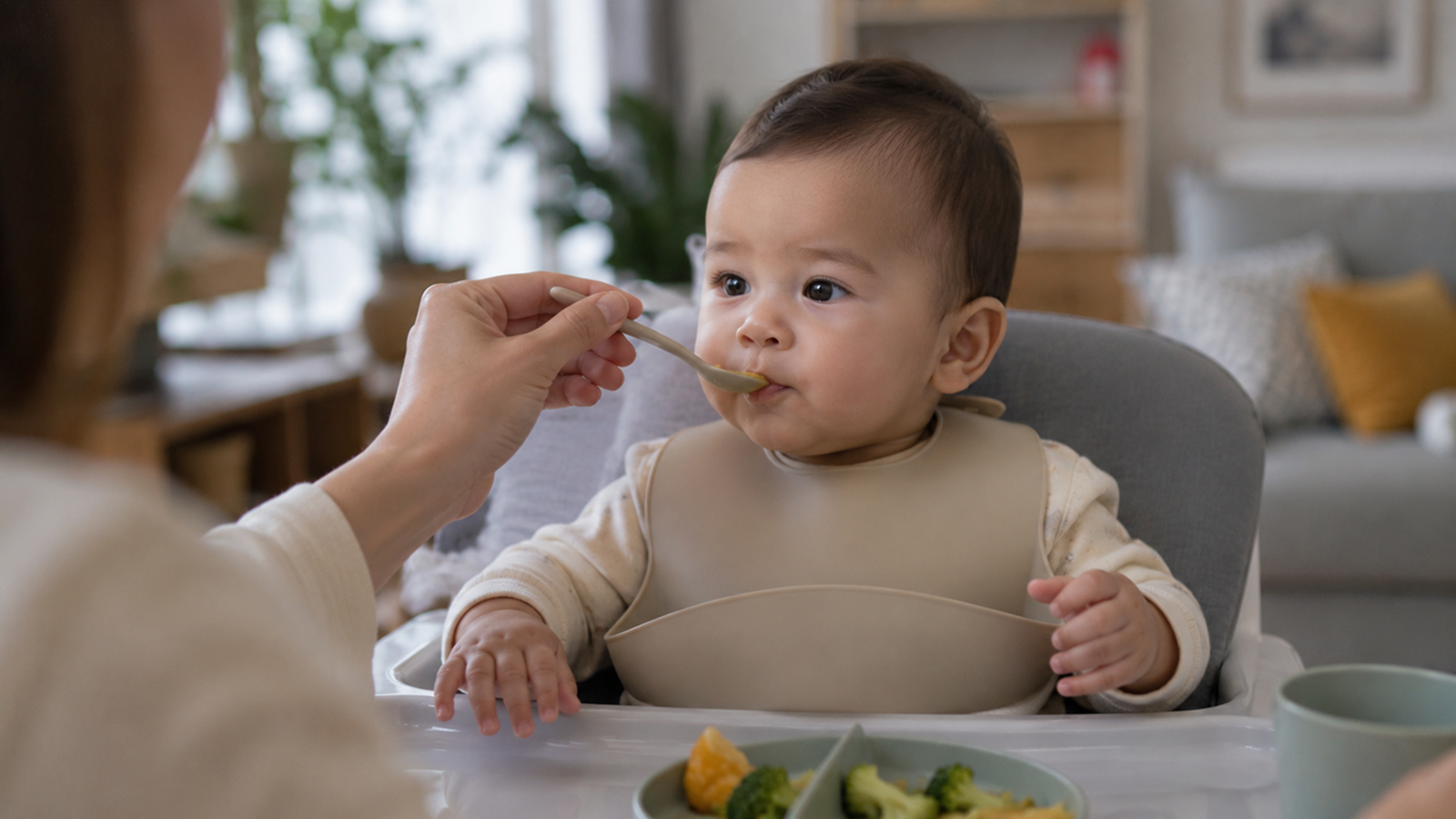
- They open their mouth when a spoon approaches.
- They no longer automatically push food out with their tongue.
- They bring toys or other objects to their mouth purposefully.
The more of these readiness signs your baby shows, the more likely they are ready for their first solid foods.
When your baby might not be ready for solid foods
Some babies just need a little more time, and that's perfectly normal.
It's better to wait if your baby:
- cannot hold their head steady yet,
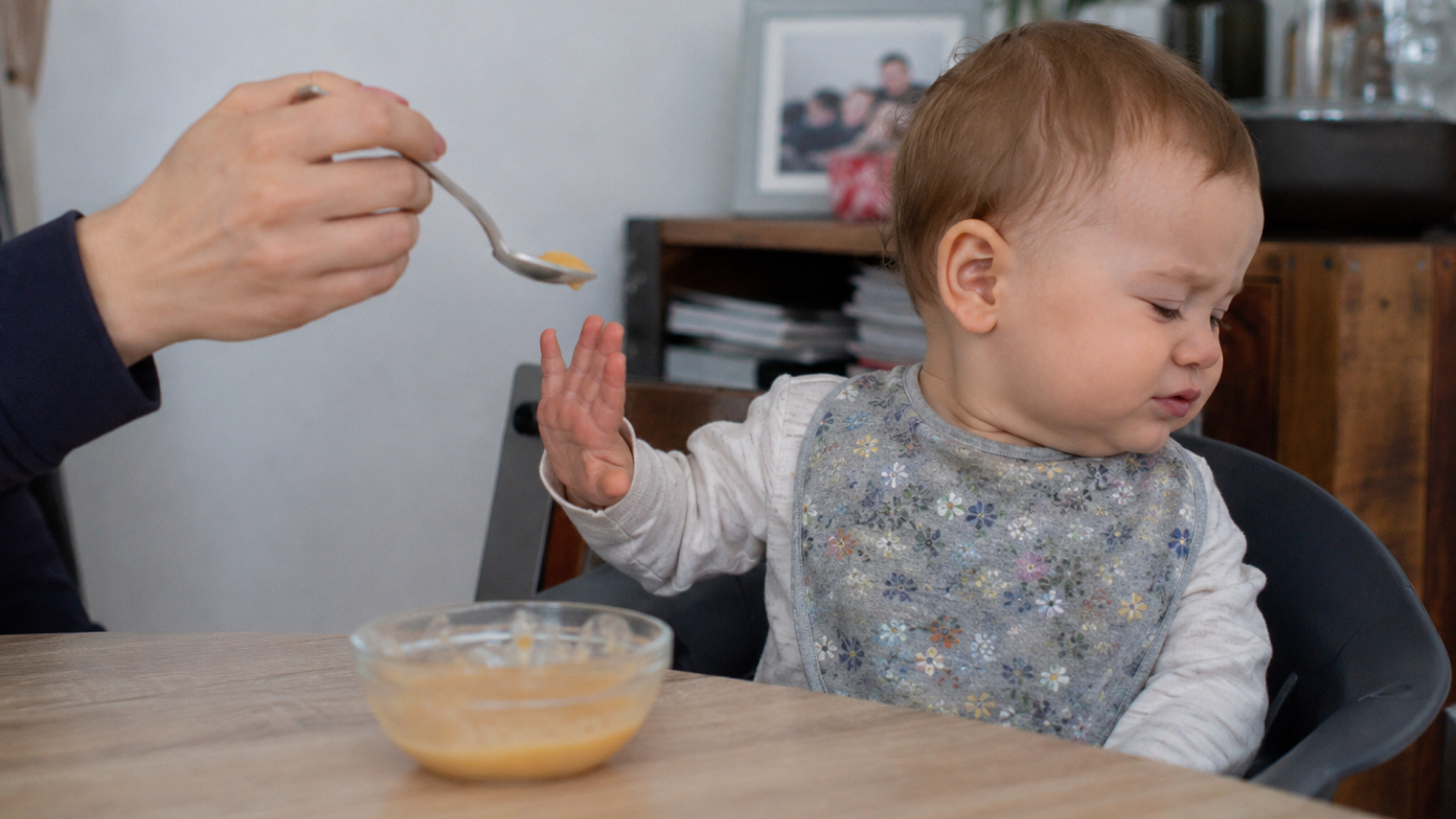
- pushes food out with their tongue immediately,
- shows little interest in eating,
- or still needs significant support when sitting.
During this phase, breast milk or formula continues to provide all the necessary nutrition.
How to best start with solid foods
There's no perfect plan for starting solids. What's more important is patience, calm, and the opportunity to explore new things.
Many families start with a few spoonfuls of finely pureed vegetables like parsnip, pumpkin, or carrot. Others choose soft foods that the baby can pick up themselves (baby-led weaning). Both approaches can work well, as long as they suit your baby's developmental stage.
For starting out, remember:
- Begin with small amounts.
- Introduce new foods gradually.
- Let your baby set the pace and amount.
- Breast milk or formula remains the main source of nutrition initially.
Starting solids is mainly about: trying, discovering, and gaining experiences.
What is often normal when starting solid foods
Many parents worry if things don't go smoothly right away. However, small initial challenges are often quite normal.
It's common, for example, for your baby to:
spit out the puree,
eat only a few spoonfuls at first,
prefer to play with the food,
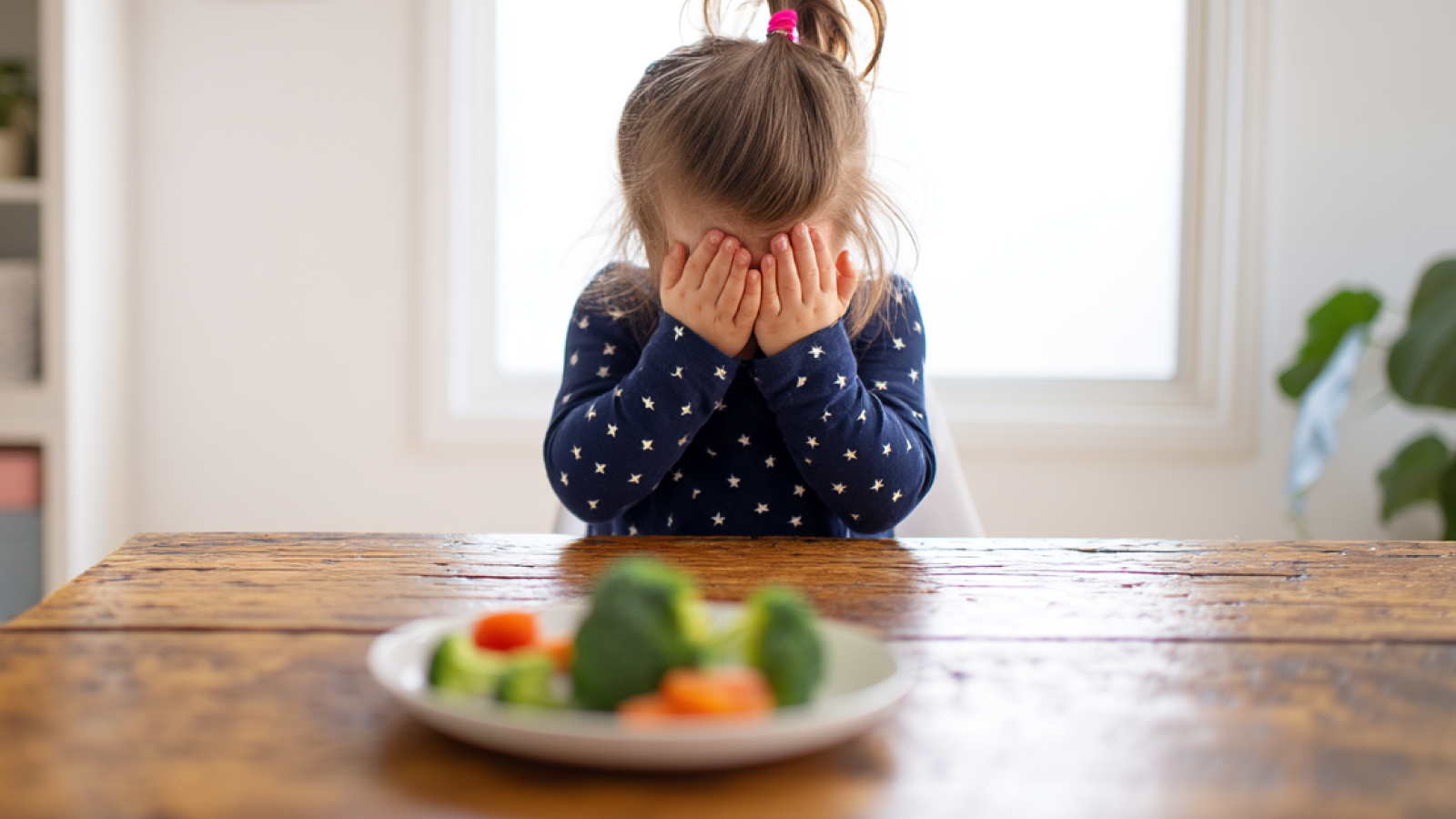
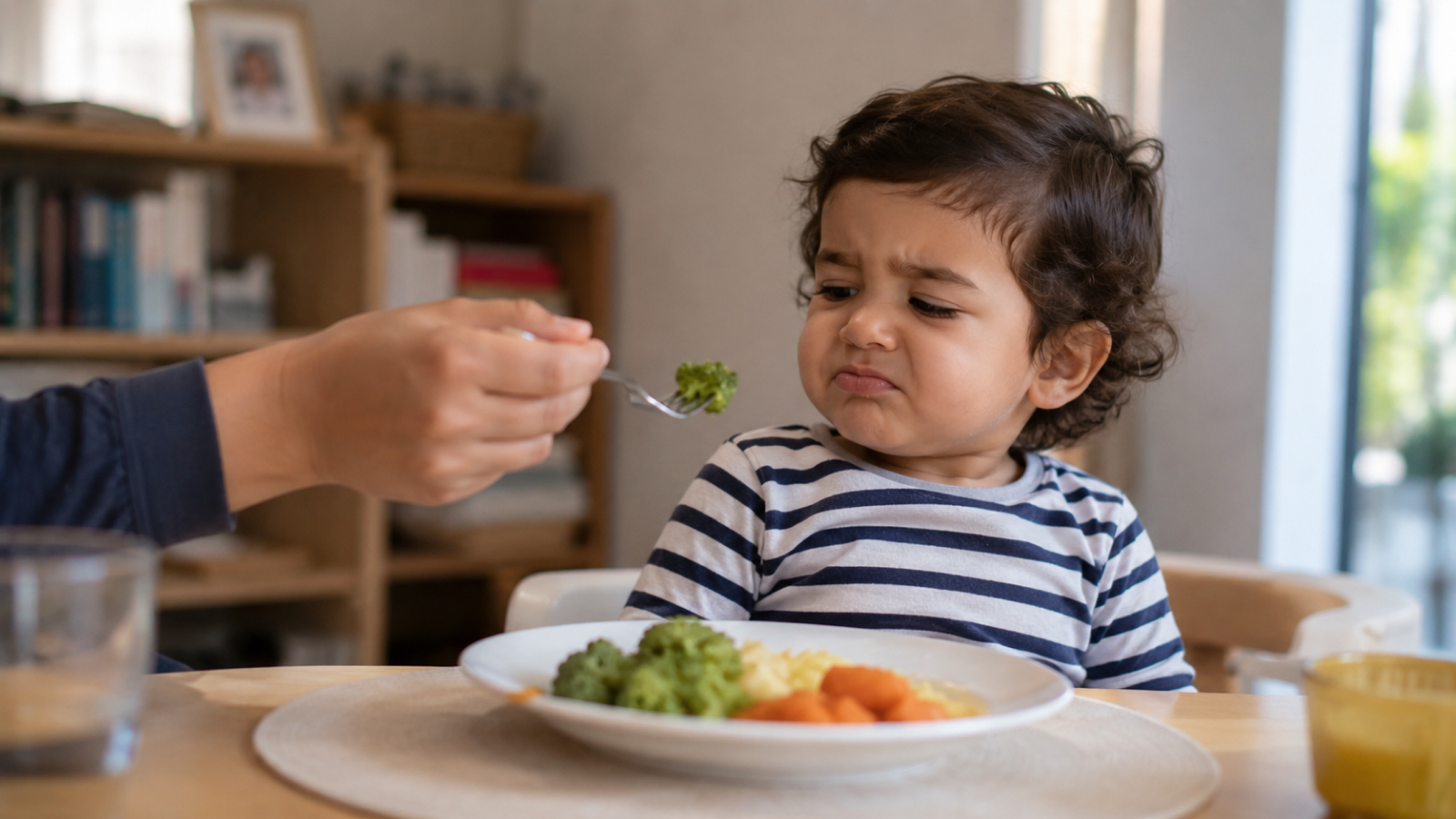
reject new foods multiple times.
or shows little interest on some days.
Many babies need several encounters with a new food before they accept it. This is part of their learning process and usually not a cause for concern.
Which foods are suitable for the beginning?
For starting out, the following are particularly suitable:
- mild vegetables like parsnip, pumpkin, or carrot,
- potatoes,
- later fruits like pear or apple,
- cereal porridge,
- and as you progress, iron-rich foods like meat, fish, or legumes.
According to current recommendations, potentially allergenic foods like egg, fish, or peanut (in suitable form) do not need to be unnecessarily delayed unless there are individual medical reasons against it. If unsure, consult your pediatric practice.
Common questions about starting solids
My baby spits out the porridge – is that normal? Yes. Many babies need to get used to the new texture and the spoon.
My baby only eats a few spoonfuls. Is that enough? Yes. Especially at the beginning, it's not about replacing a whole meal. Breast milk or infant formula remains the most important nutrition.
Does my baby need to eat solids every day? No. In the first weeks, it's mainly about getting to know new foods and gaining first experiences.
When should you consult the pediatric practice?
A consultation with the pediatric practice is advisable if your baby:
- shows no interest in solids even well after the 7th month,
- regularly gags or frequently chokes while eating,
- has difficulty swallowing,
- gains little weight or loses weight,
- reacts with rash, breathing problems, or repeated vomiting after eating.
If you are generally unsure whether your baby is ready for solids, the pediatric practice can provide individual advice.
How you can support your baby
Observe your baby's signals and give them time.
It is helpful to:
- eat together at the family table,
- offer new foods repeatedly,
- serve small portions,
- avoid pressure or distractions,
- and let your baby decide how much they want to eat.
Not every meal has to be perfect. Starting solids is primarily a shared learning process at the beginning.
In summary
Most babies are ready for solids between the 5th and 7th month. More important than the exact age are signs of readiness like good head control, interest in food, and the ability to keep food in the mouth. Start relaxed, offer new foods without pressure, and give your baby time to explore the new world of eating.