When Spitting Suddenly Increases
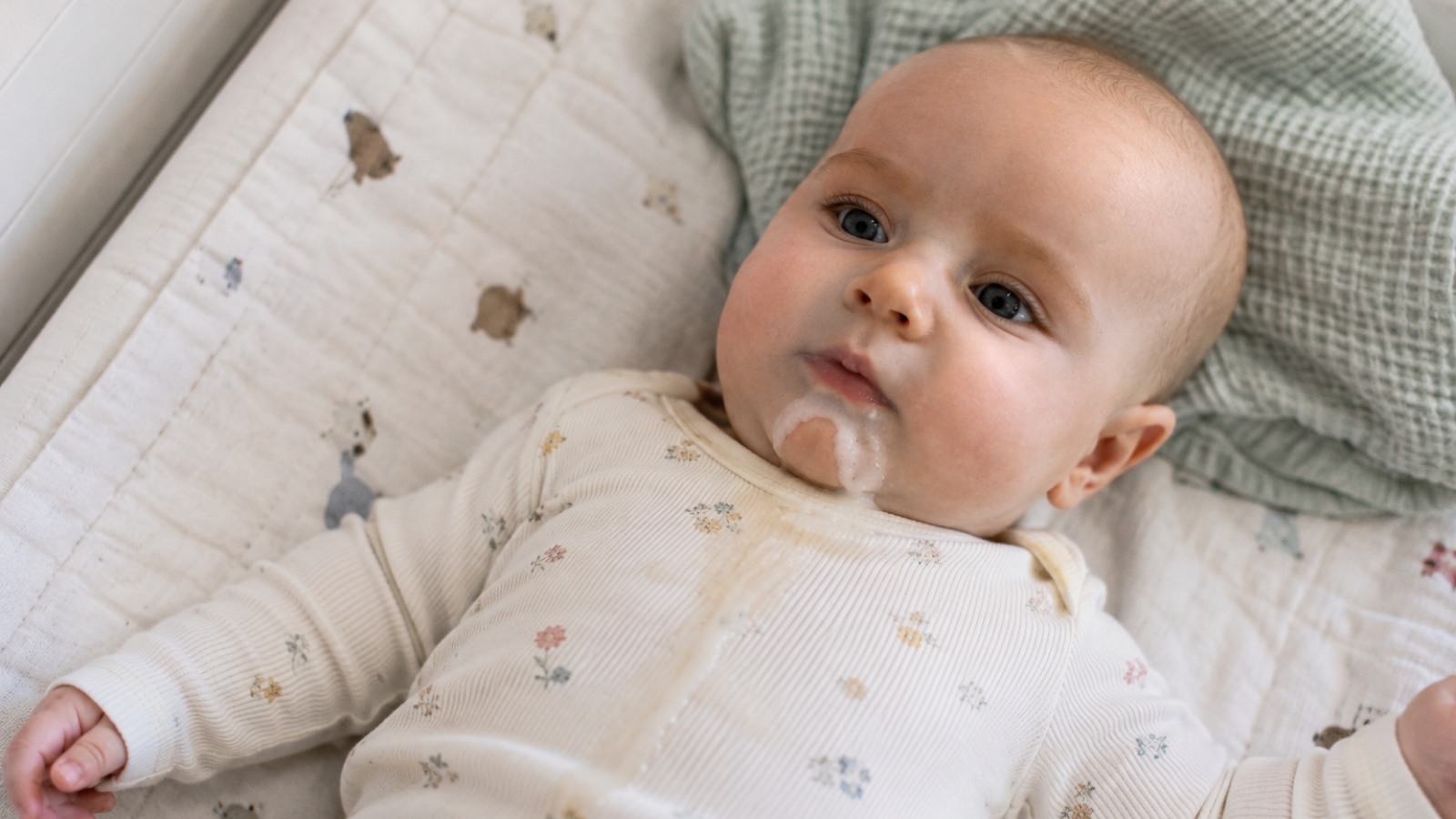
Your baby has hardly spit up before – and suddenly, after almost every meal, milk is coming out of their mouth again. Or they are spitting up much more frequently than a few weeks ago. Many parents then wonder: Is this still normal? Does my baby have reflux? Or could there be an infection behind it?
The good news: Spitting up is often a normal part of development in the first year of life. As long as your baby is drinking well, gaining weight, and seems generally content, there is usually nothing serious behind it. However, it's worth taking a closer look at the pattern and any accompanying symptoms.
Why Do Babies Spit Up?
The muscle between the esophagus and stomach is not fully developed in the first few months. After feeding, some milk can easily flow back into the esophagus and out of the mouth.
Additionally, babies spend a lot of time lying down and consume only liquid food – this also promotes spitting up.
Many babies spit up regularly without experiencing pain or being ill.
Why Is My Baby Suddenly Spitting Up More?
There are various reasons why spitting up may temporarily increase.
Common causes include:
- larger feeding amounts
- more hurried drinking
- more movement after feeding
- frequent turning, rolling, or kicking
- a growth spurt
- a mild stomach or intestinal infection
- coughing or intense crying
Especially during developmental phases or with increased activity, spitting up can temporarily become more frequent.
When Is It Considered Reflux?
A certain amount of milk backflow is normal in babies and is referred to as physiological reflux.
Pediatricians usually only speak of a reflux disease that requires treatment when additional symptoms occur, such as:
- pain during or after feeding
- frequent severe arching
- persistent crying after meals
- poor growth or inadequate weight gain
- repeated breathing problems or chronic cough related to feeding
It's not the amount of spitting up that matters, but how your baby is doing overall.
What Is Still Considered Normal?
Many babies:
- spit up small amounts after feeding,
- occasionally spit up larger amounts,
- spit up especially after burping,
- seem content and continue to feed well afterward.
These so-called “spit-up babies” usually develop completely normally.
When Could an Infection Be the Cause?
Sometimes spitting up increases because your baby is becoming ill.
Additional symptoms that may indicate this include:
- fever
- diarrhea
- repeated vomiting
- cough or severe cold
- noticeable fatigue
- significantly reduced appetite
When it comes to gastrointestinal infections, vomiting is often not the only concern.
When should you see a doctor for your baby?
It's advisable to consult a pediatrician if your baby:
- vomits forcefully or very frequently,
- vomits greenish or bloody fluid,
- drinks very little,
- has significantly fewer wet diapers,
- is not gaining weight well or is losing weight,
- seems to be in severe pain,
- appears unusually lethargic,
- develops a fever or other symptoms,
- or if the vomiting suddenly increases significantly and persists for several days.
Especially in young infants, persistent vomiting should always be evaluated by a doctor.
What can you do at home?
If your baby otherwise seems healthy, simple measures can often help.
For example:
- offer smaller meals if your baby drinks very large amounts,
- avoid unnecessary interruptions while your baby is drinking,
- allow some time for cuddling in an upright position after feeding,
- try to avoid vigorous movement right after feeding,
- avoid tight clothing around the belly area.
Special foods or medications should only be used after consulting a pediatrician.
Spitting up or vomiting – what's the difference?
Normal spitting up usually happens effortlessly.
Vomiting, on the other hand, is forceful and involves visible abdominal effort. If your baby repeatedly vomits forcefully or cannot keep fluids down, they should be examined by a doctor promptly.
Key points to remember
More spitting up doesn't automatically mean something is wrong. In the first year, feeding habits change frequently, and developmental milestones or minor infections can temporarily increase spitting up. The main thing is whether your baby continues to drink well, gain weight, and generally seems content. If you notice warning signs or are unsure, contact your pediatrician.