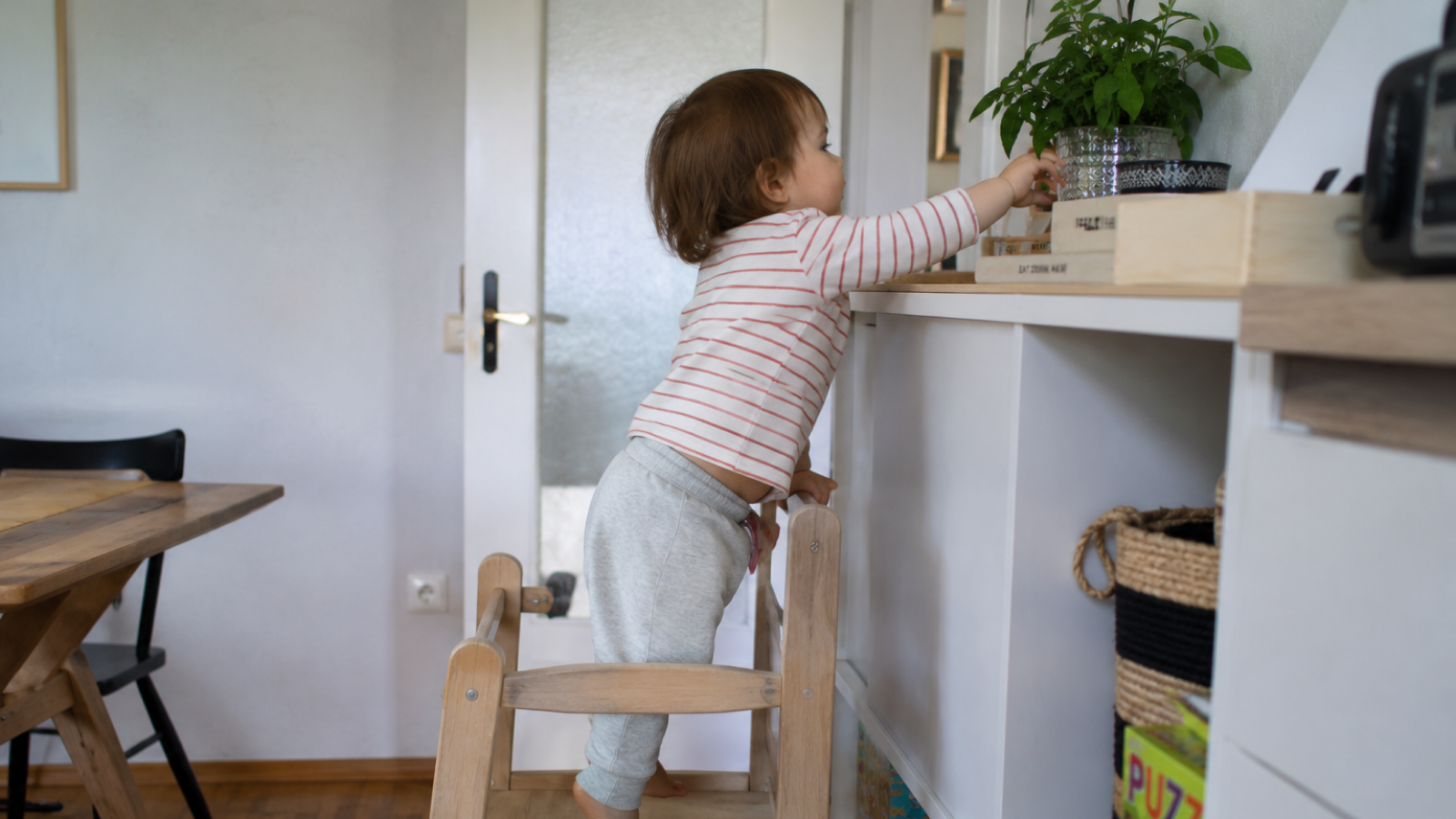
Child Development in Months 13–15
Between the 13th and 15th months, you may notice significant changes in how your child experiences the world. They want to make more decisions on their own, implement their own ideas, and actively participate in daily life. At the same time, they are getting better at understanding connections, rules, and routines. Many parents now experience the first clear "I can do it myself!" moments, as well as more frustration when things don't go as planned.
The good news: This development is an important step towards greater independence and growing self-confidence.
What You Might Observe Now
You might notice that your child:
- increasingly wants to do things on their own
- clearly protests when things don't go as expected
- recognizes simple rules and routines
- imitates familiar daily activities, like talking on the phone, cleaning, or cooking
- uses first meaningful words and understands more
- attentively observes and imitates other children and adults
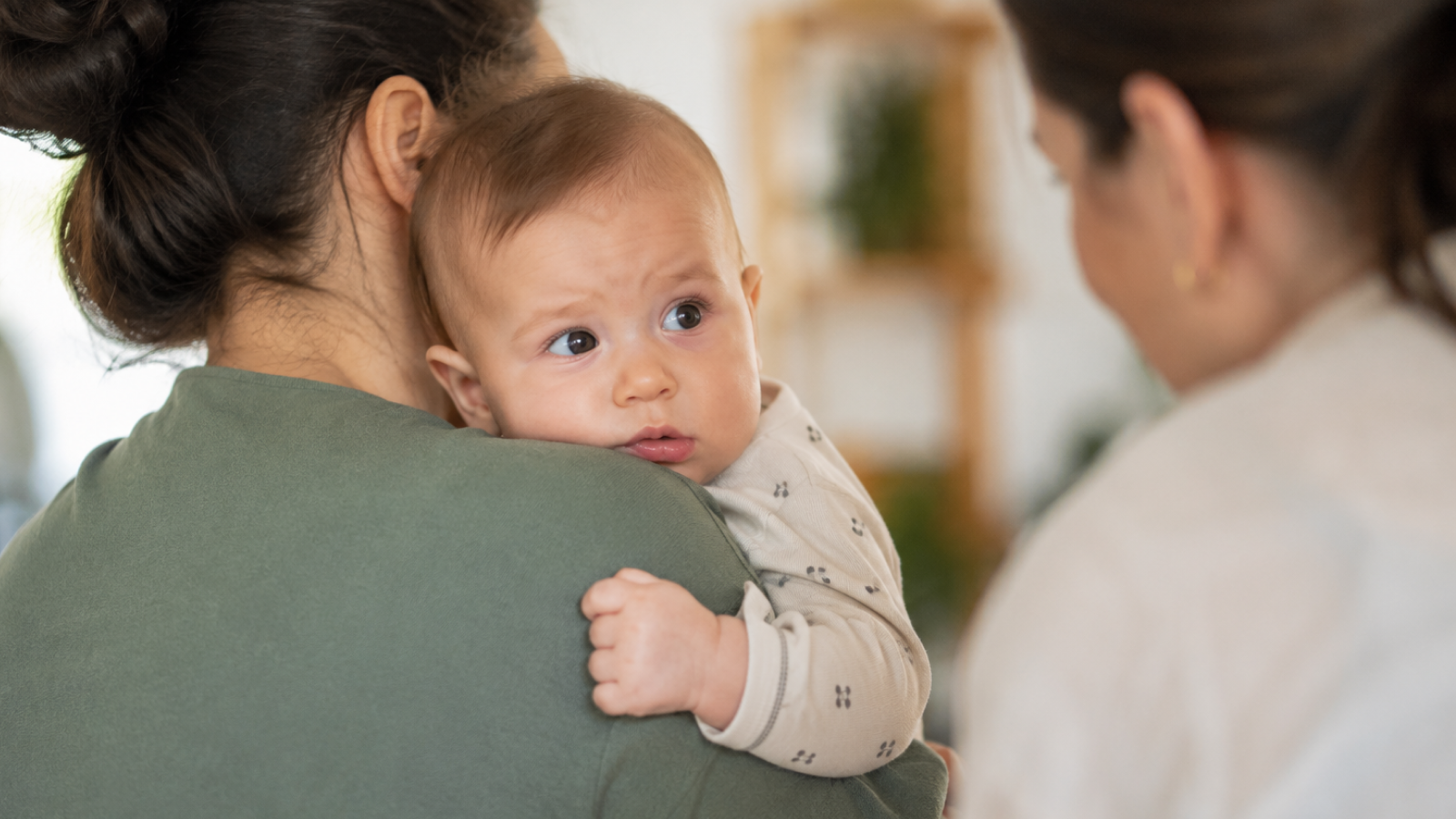
Even though your child understands a lot, they may still struggle to manage their emotions. Anger, frustration, or disappointment are common during this developmental phase.
What Your Child Is Developing
During these months, your child's understanding of everyday connections grows significantly.
Your child begins to:
- perceive themselves more as an independent person
- recognize simple rules and routines
- understand cause and effect better
- develop expectations for familiar situations
- clearly express their own desires
This also explains why seemingly small changes can suddenly trigger big emotions.
What Your Child Needs Now
In this phase, the following are especially helpful:
- clear and loving rules
- consistent daily routines and recurring rituals
- small choices in everyday life
- patience when things take longer
- understanding for strong emotions
- lots of praise for their own attempts rather than perfect results
The more your child is allowed to try things on their own, the more confidence they develop in their abilities.
Movement and Motor Skills
Many children are now walking more confidently and becoming more mobile every day.
They often develop:
- the ability to walk freely over longer distances
- first attempts at changing direction or stepping backward
- attempts to run
- climbing onto low furniture or steps
- carrying objects while walking
- increasingly better balance
With this newfound enthusiasm for movement, the risk of accidents also increases. A safe environment is now more important than ever.
Language and Communication
Language development often makes significant progress.
Many children:
speak their first understandable words
understand much more than they can say
point to things that interest them
respond to simple requests
accompany their play with sounds or first words
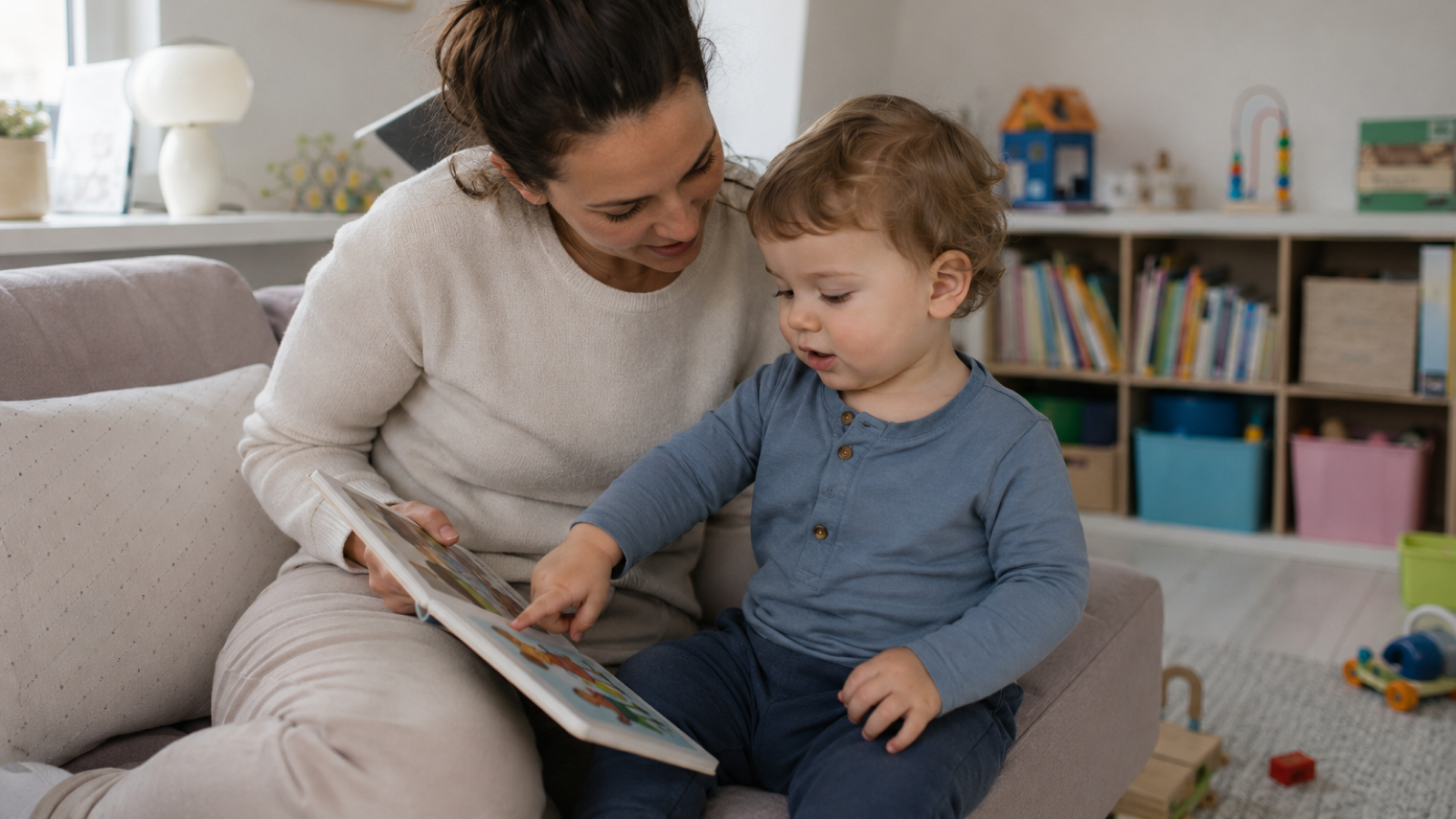
Language develops mainly in everyday life. Talking together, reading aloud, and naming things support this development particularly well.
Eating, Sleeping, and Daily Life
Many things change in daily life too.
Typically, your child:
- wants to eat by themselves with a spoon or hands
- develops clear food preferences
- wants to have a say in what they eat
- may sleep less well or need new bedtime rituals
- becomes more sensitive at times due to teething
Fluctuating appetite, changing preferences, and occasional restless nights are common at this age.
How You Can Support Your Child
You don't need to constantly stimulate your child. They are learning a lot just from everyday life.
Helpful actions include:
- letting them take on small tasks, like bringing shoes or helping set the table
- naming feelings: “You are angry right now.”
- allowing simple choices
- giving plenty of time to try things out
- looking at books together and talking a lot
- providing calm support instead of quick help
Especially when something doesn't work out, your child needs encouragement and patience.
Development Takes Time
Around one and a half years old, the desire for independence often grows faster than their abilities. That's why pride, joy, frustration, and anger can switch within minutes.
This is not a sign of disobedience but an expression of an important developmental phase. With clear boundaries, lots of understanding, and a reliable routine, you support your child in becoming more independent step by step.
Milestones
Between 13 and 15 months, many children show the following developmental steps:
- walks freely and confidently over longer distances
- starts to run or deliberately change direction
- climbs onto low furniture or steps
- stacks two to three building blocks
- uses first meaningful words and understands simple requests
- imitates everyday actions in play, like talking on the phone or cooking
- seeks eye contact with familiar caregivers in new situations
These age references are guidelines. Children develop differently and reach many milestones at their own pace.