Starting school is a big step – not only for children, but also for parents. In the months beforehand, many people ask themselves: Is my child ready for school yet? Can they concentrate for long enough? Will they cope in the new class and become more and more independent?
The most important thing to say first: No child has to be able to read, write, or do maths before starting school. What matters more is whether they have developed basic language, social, emotional, and everyday skills that help them manage the demands of school life.
What does being ready for school mean today?
Instead of “school readiness” (“Schulreife”), people today often talk about ability to start school (“Schulfähigkeit”). This is based on the understanding that development is not a rigid process: children develop differently and start school with different strengths and experiences.
School does not expect a perfect child. Many skills also continue to develop during primary school. What matters is whether there is already a good foundation that your child can keep learning from.
Which skills make starting school easier?
By the time they start school, many children already have a lot of skills that make the new daily routine easier.
Independence in everyday life
It helps if your child can:
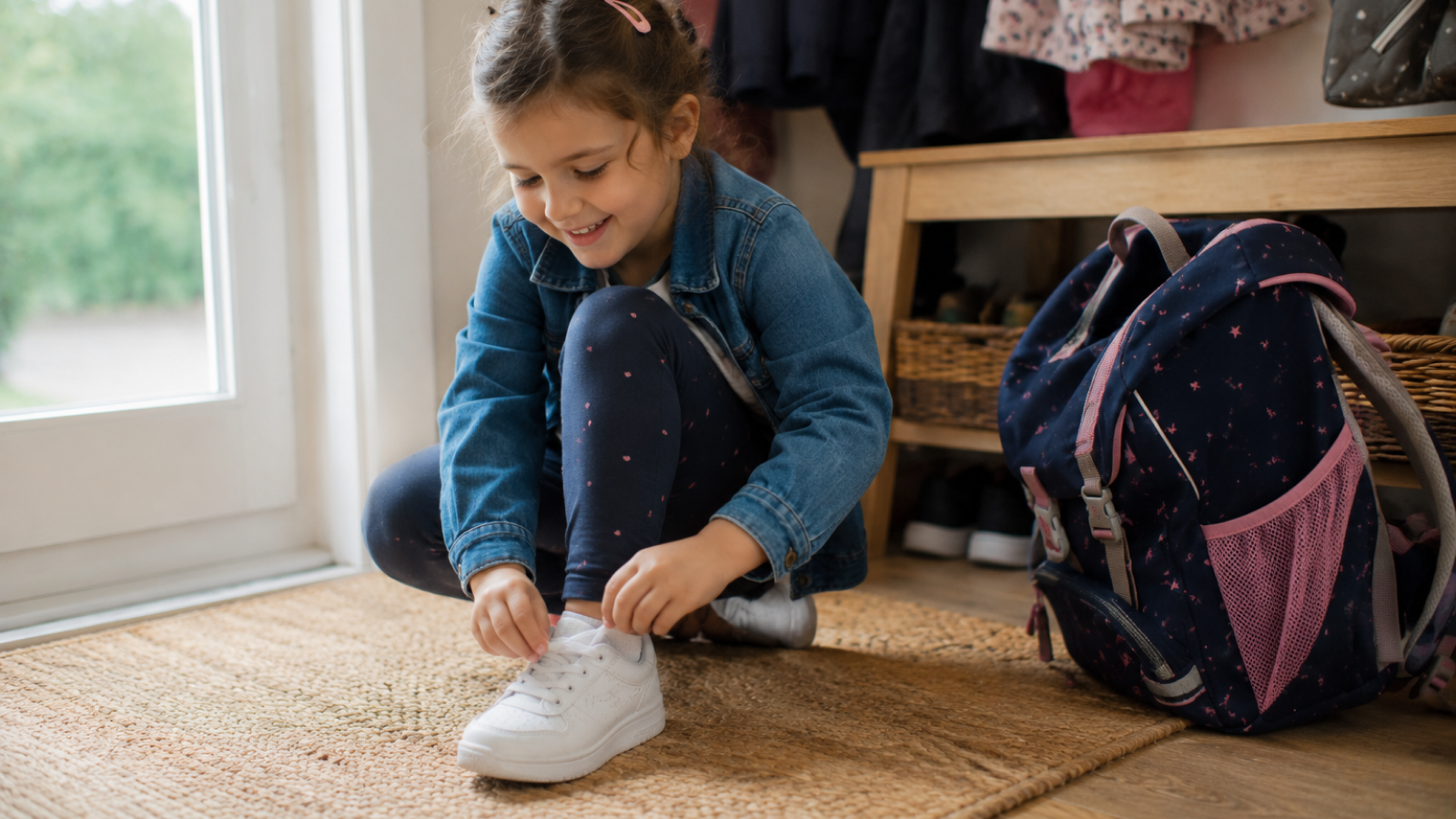
- mostly dress and undress themselves
- use the toilet independently
- eat with cutlery
- do small tasks on their own
- look after simple personal things, such as their jacket or school bag
Perfection is not important here. What matters is that your child increasingly experiences: I can manage things on my own. This experience strengthens independence and self-confidence.
Language and communication
When starting school, it helps if your child:
- speaks clearly
- can talk about simple experiences and connections
- asks and answers questions
- understands multi-step instructions
- can express themselves with words when there are problems
Children do not need a particularly large vocabulary or perfect grammar. What matters is that they can increasingly use language to express themselves and understand others.
Concentration and stamina
Many preschool children can already:
- focus on a task for a while
- finish simple games
- cope with short waiting times
- return to a task after an interruption
This helps develop important skills such as attention, impulse control, and planning actions. How well this works can vary from day to day – for example depending on sleep, stress, or the situation.
Social skills
In everyday school life, social skills play a big role. It helps if your child can:
- play with other children
- generally accept rules
- increasingly solve conflicts with words instead of physically
- take turns and increasingly share
- accept help or offer help
These skills do not have to be perfectly developed before starting school. They continue to mature during the school years.
Emotional development
Starting school is often easier if your child has already developed some first strategies for dealing with strong feelings. This includes, for example, that they:
- can increasingly cope with small disappointments
- can calm down again after excitement
- can separate from their caregivers for a few hours
- is generally willing to engage with new situations
Excitement or uncertainty before starting school is normal. These feelings don’t need to be talked away. Give your child space to talk about it. Books about starting school or preparing the school bag and school supplies together can help make the new situation feel more familiar.
Does my child already need to be able to read or do maths?
No. Practising letters or maths intensively is not crucial for a good start at school.
More important are basic skills that school learning can build on later. For example, it helps if your child:
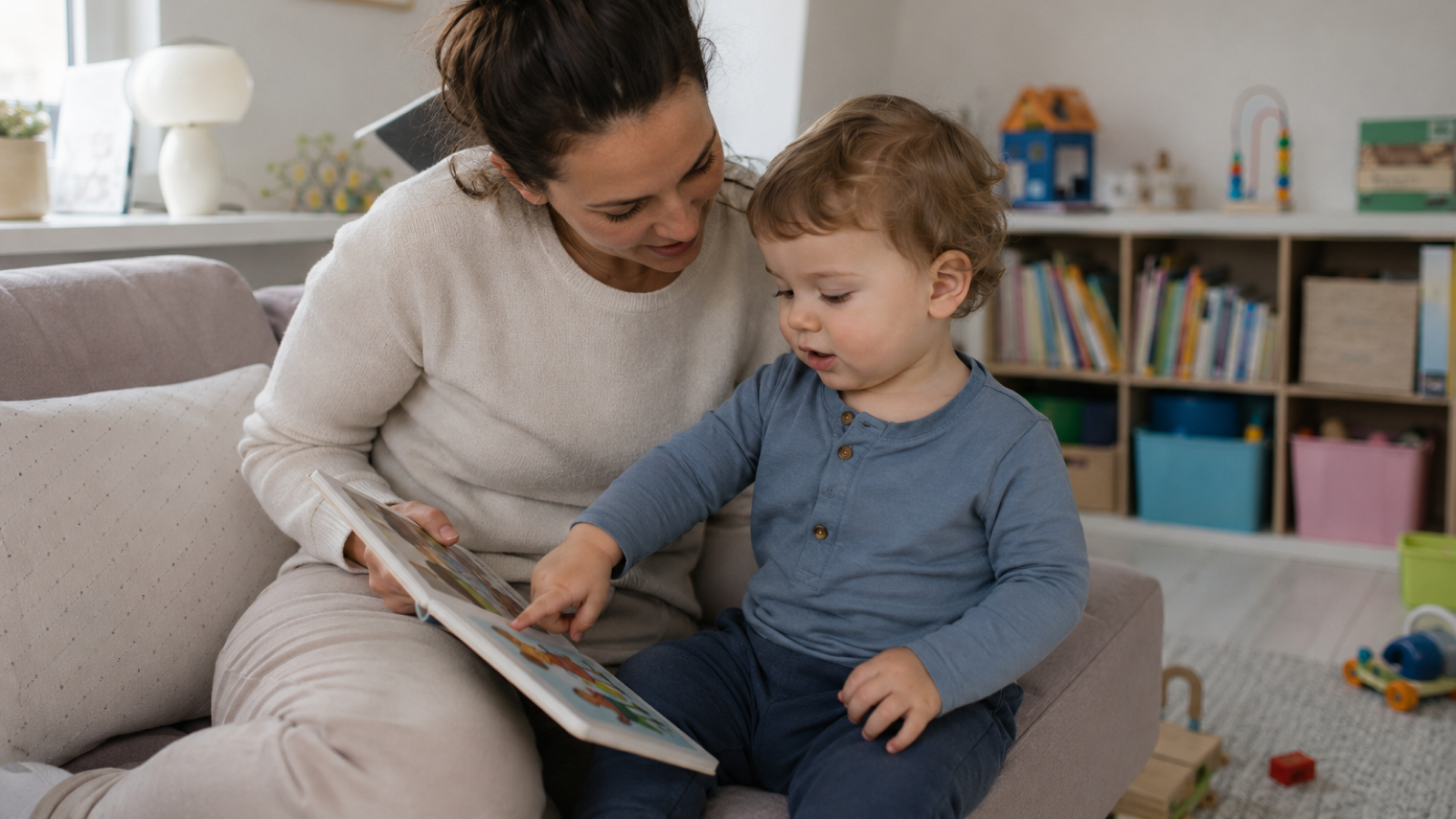
- enjoys books and stories
- can listen attentively
- asks questions
- notices quantities, shapes, or differences in everyday life
- likes drawing, building, and trying things out
Curiosity and joy in discovering are a good basis for later learning.
What can you encourage at home?
Children learn many important skills naturally in everyday life. You don’t need a preschool programme at home for that.
Helpful activities include:
- reading together
- playing board and card games
- drawing, doing crafts, and cutting
- counting, sorting, and comparing in everyday life
- taking on small household tasks
- enough time for free play
It’s not about performance. When your child experiences that they can make a difference themselves and manage challenges, it strengthens their self-efficacy and their confidence in their own abilities.
When should you take a closer look?
Children develop differently. Sometimes an additional assessment before starting school can be helpful.
Talk to your paediatric practice if your child:
speaks in a way that is difficult to understand
hardly understands simple instructions
can barely separate from their caregivers
shows major difficulties with attention or impulse control in everyday life
has clear motor difficulties
seems very overwhelmed in many everyday situations or you are worried about their development
The childcare professionals at the daycare centre can also add important observations, as they see your child in everyday life and in the group.
Every child has different strengths
Shortly before starting school, many families compare themselves with each other. This can quickly make you feel unsure. Some children are especially advanced in language, others in motor skills, social skills, or acting independently.
For a successful start at school, your child doesn’t have to be at the same level in every area. More important than early reading or maths are basic independence, communication, social and emotional skills, and the willingness to discover and learn new things.
Support your child’s development
With the tio App, you get age-appropriate information on development in the preschool years and can easily record important milestones, skills, and observations. This helps you keep an eye on your child’s development and have all key information at hand for the U9 or conversations with the paediatrician’s practice or daycare centre.