On warm summer days or during a heatwave, many parents wonder: Is my child drinking enough? Does my baby need extra water now? And how can I tell if they're not getting enough fluids?
Babies and young children lose fluids more quickly than adults in the heat. At the same time, they often can't express their thirst well. That's why it's important to offer drinks regularly and watch for early signs of dehydration.
Why is drinking especially important in the heat?
Children have a higher fluid requirement relative to their body weight than adults.
In high temperatures, they lose additional water:
- through sweating,
- while playing and running around,
- through faster breathing,
- or if they have a fever, diarrhea, or vomiting.
Even a slight lack of fluids can make children tired, irritable, or less resilient.
How much should babies and young children drink?
The fluid requirement depends on your child's age, diet, and activity level. On hot days, the need can be higher than usual.
Babies under six months
Breastfed babies usually don't need extra water. Breast milk adapts to the child's needs. Many babies simply want to nurse more often in the heat.
Infants who are exclusively fed formula typically don't need extra water either. Instead, offer smaller milk feeds more frequently.
If your baby has a fever, develops diarrhea or vomiting, or seems unusually lethargic, you should contact your pediatrician.
Babies starting solid foods
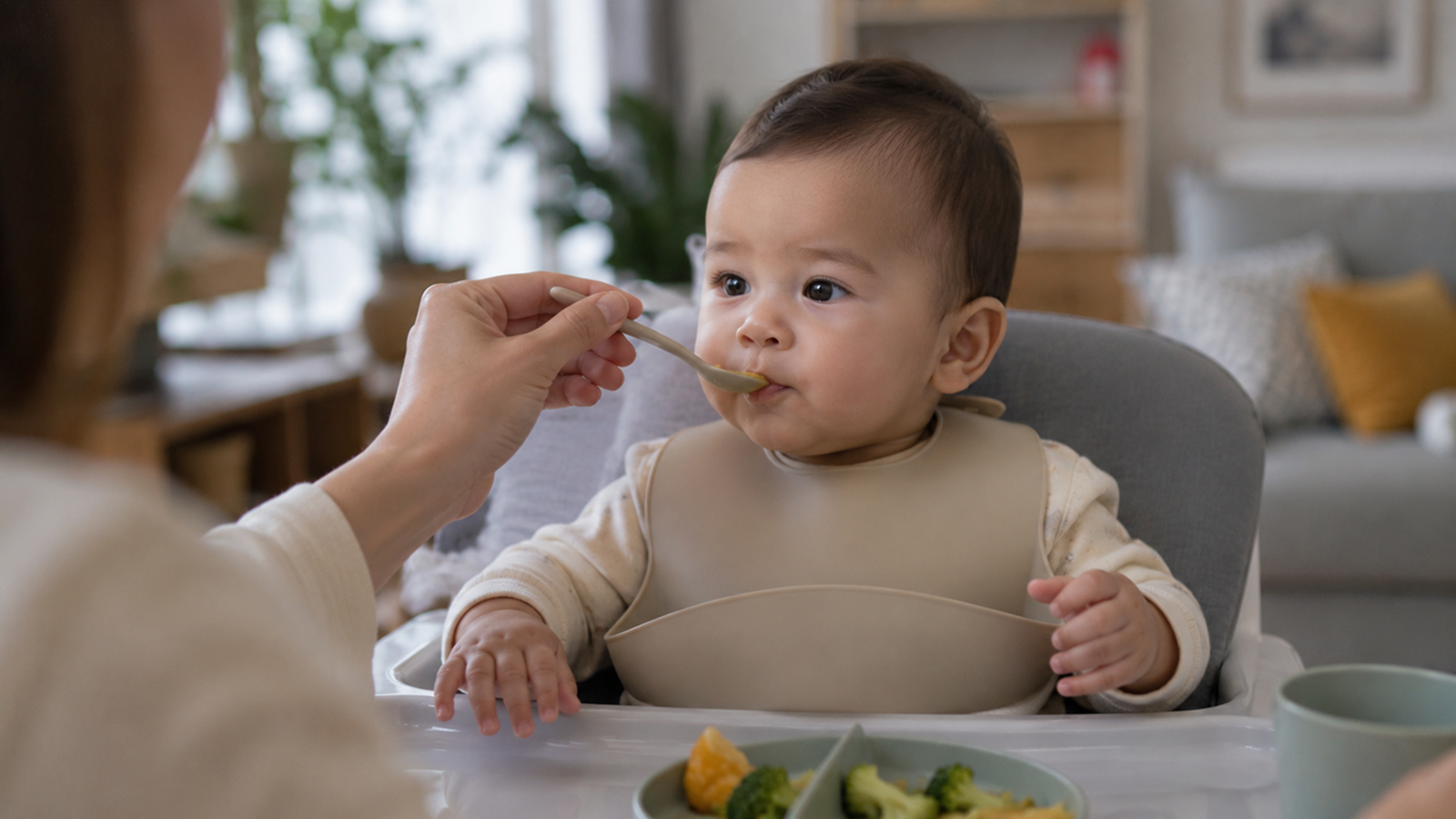
When starting solid foods, you can offer small amounts of water with meals.
On hot days, many babies drink a bit more often. However, breast milk or formula remains the most important source of fluids in the first year.
Toddlers
For toddlers:
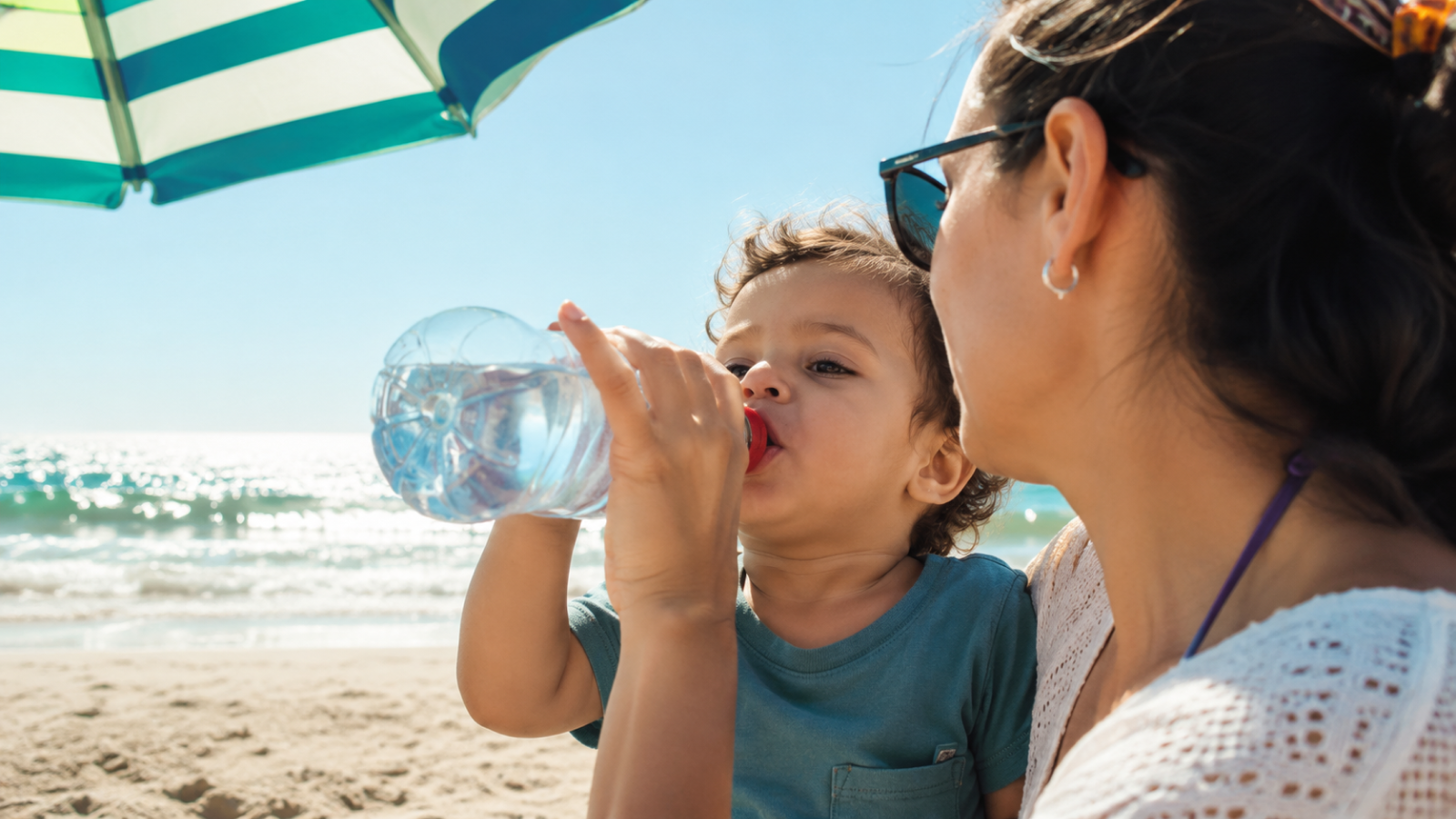
- offer water regularly,
- don't wait for your child to express thirst,
- keep drinks easily accessible,
- add extra drink breaks after activity or play.
The required amount of fluids is individual and often increases in the heat.
Which drinks are suitable?
The best options are:
- water,
- unsweetened herbal or fruit teas (age-appropriate),
- occasionally, for older children, heavily diluted juice spritzers.
Less suitable are:
- soft drinks,
- iced tea,
- energy drinks,
- drinks high in sugar,
- undiluted juices.
These often contain a lot of sugar and don't quench thirst for long.
How can you tell if your child is drinking enough?
A well-hydrated child:
appears alert,
has moist lips and a moist mouth,
urinates regularly,
and the urine is usually light yellow.
plays and moves appropriately for their age.
Especially on hot days, it's worth regularly checking for these signs.
How can you recognize dehydration?
Early signs can include:
- dry lips or mouth,
- noticeably fewer wet diapers,
- dark urine,
- unusual tiredness,
- irritability,
- sunken eyes,
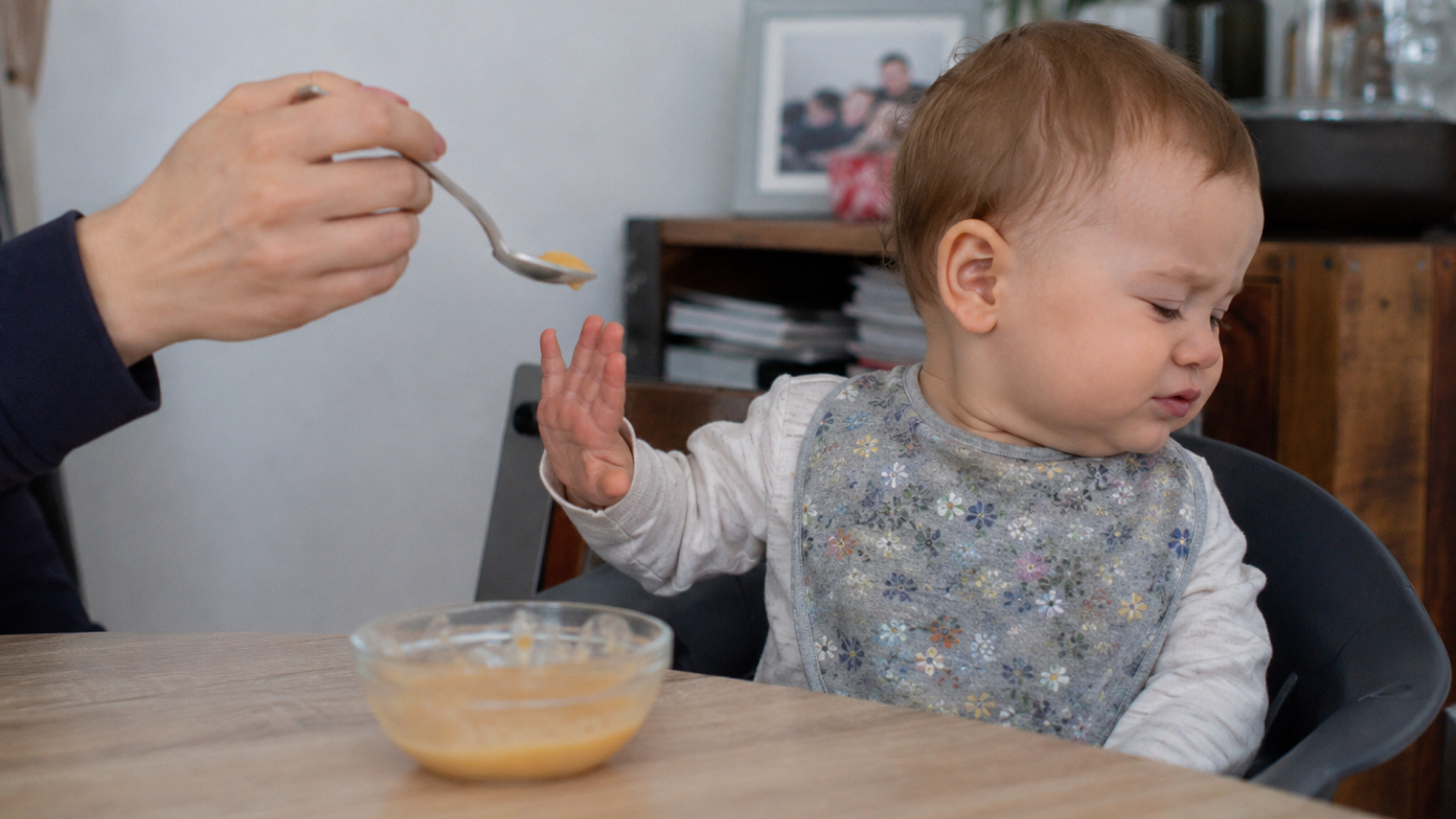
- reluctance to drink,
- little or no tears when crying.
These signs should be taken seriously.
Tips for easier daily hydration
Many children drink better when drinking is a natural part of their daily routine.
Helpful tips include:
- offering drinks regularly,
- having a personal water bottle,
- drinking together,
- taking a drink break after playing outside,
- offering water-rich fruits and vegetables like melon or cucumber.
Children often forget their thirst while playing.
When should you visit the pediatrician?
A pediatric examination is advisable if your child:
- is reluctant to drink,
- produces significantly less urine,
- seems very lethargic,
- has a fever, diarrhea, or vomiting and drinks little,
- or if you suspect dehydration is developing.
Especially in babies, the condition can worsen quickly.
When should you seek immediate medical help?
Seek immediate medical help if your child:
- is barely responsive,
- repeatedly vomits and cannot keep fluids down,
- develops seizures,
- has breathing difficulties,
- or shows clear signs of severe dehydration.
These situations require urgent treatment.
Important information
On hot days, babies and toddlers often need more fluids than usual. Breastfed babies usually just nurse more frequently, while older babies and toddlers should be offered water regularly. The key is not a specific amount of fluid, but how your child appears overall, whether they urinate regularly, and drink enough. If there are signs of dehydration or if your child is reluctant to drink, a pediatric examination is recommended.