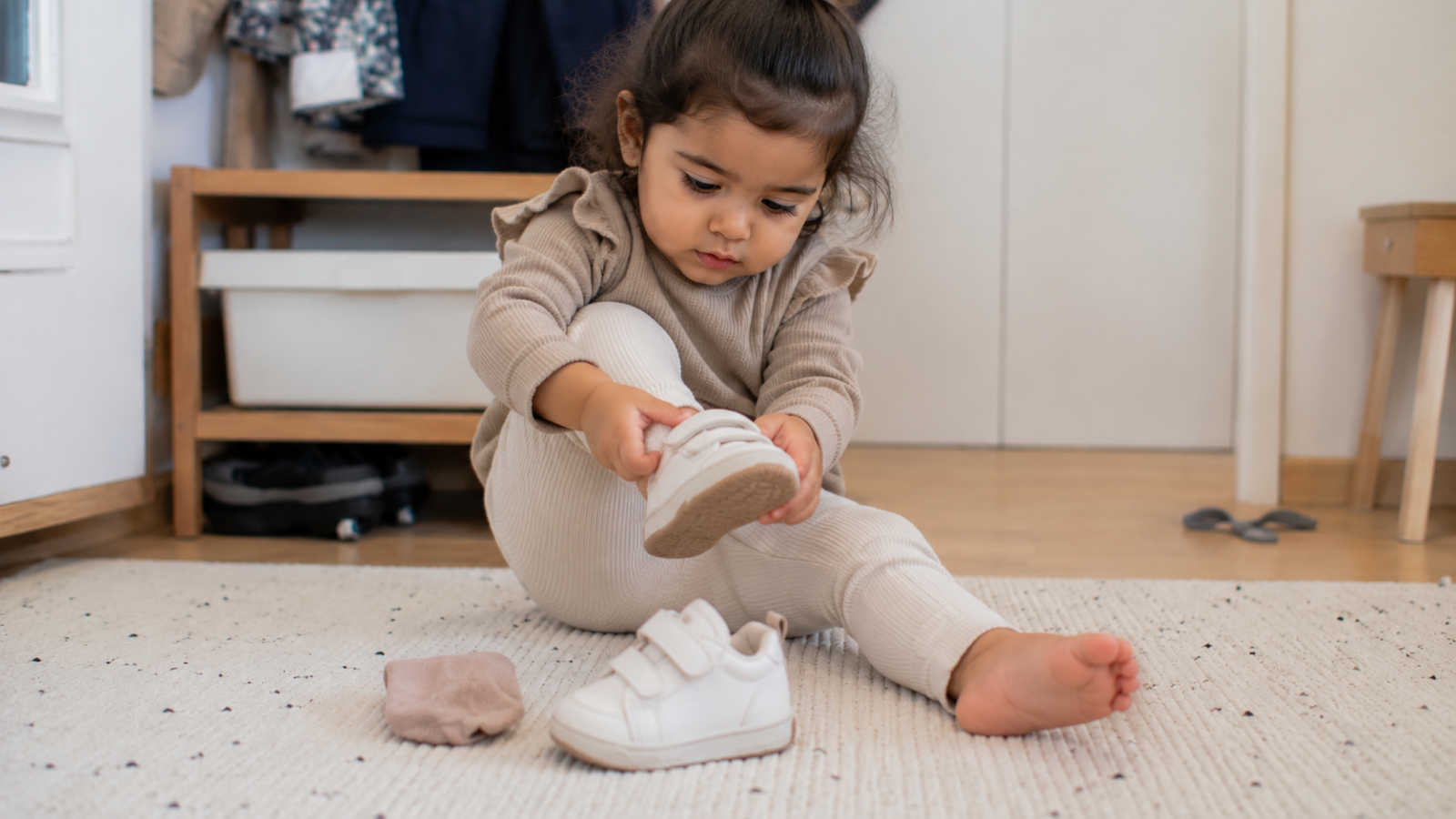
Child Development in the 18th – 20th Month
Is your child suddenly eager to do everything independently, constantly saying "No!" or insisting on holding the spoon themselves? Between 18 and 20 months, many children enter an exciting developmental stage: the autonomy phase.
During this time, the desire for independence grows rapidly. Your child discovers their own will, tries new things, and wants to actively participate in daily life. At the same time, they often lack the language and impulse control to handle frustration well. Therefore, tantrums and strong emotions are as much a part of development at this age as moments of great success.
What is Developing Now
Between the 18th and 20th month, your child makes significant progress in several areas simultaneously.
You might notice that your child:
- increasingly wants to make decisions on their own
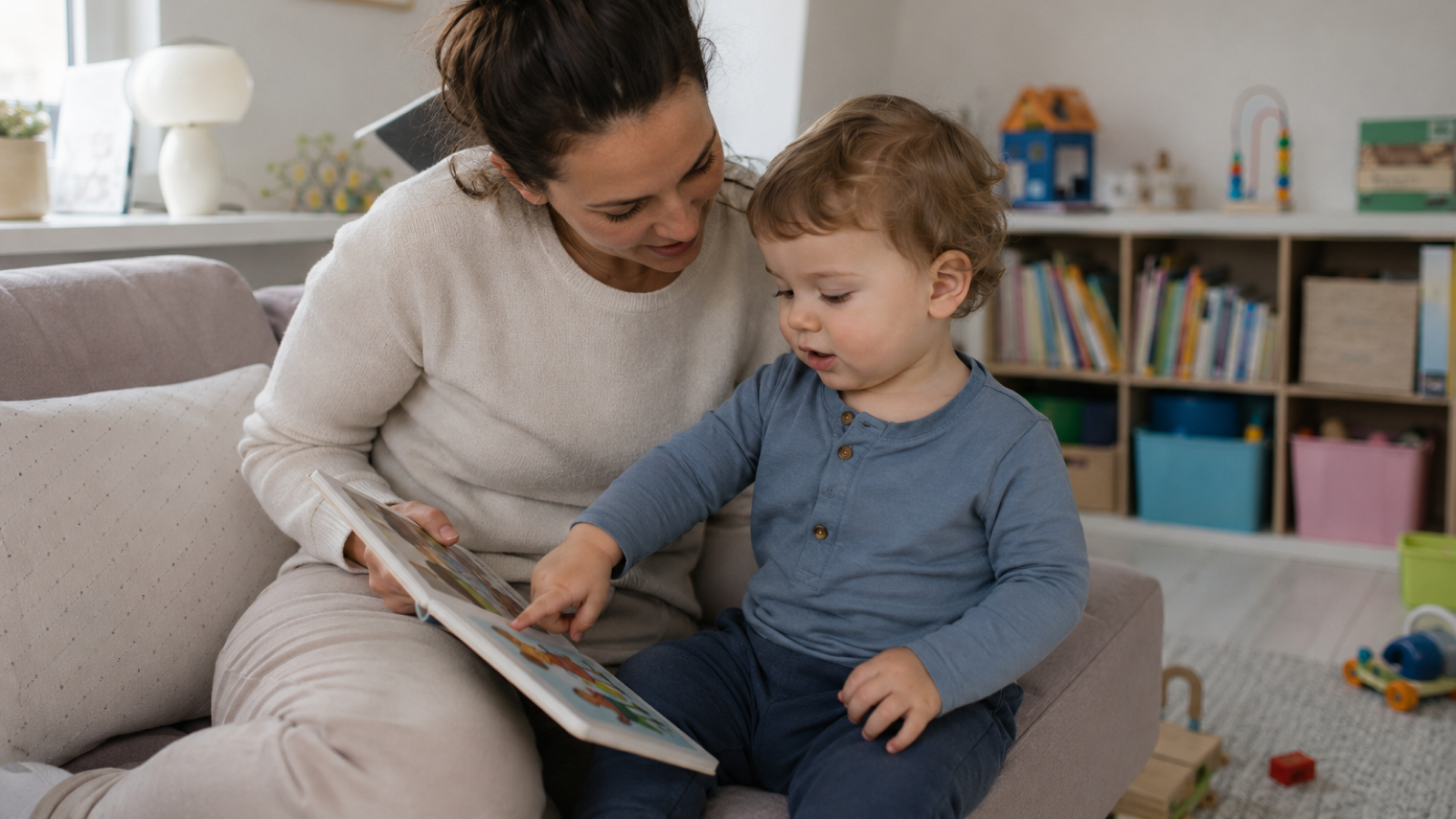
- forms first two-word sentences
- understands simple instructions confidently
- consciously imitates everyday actions
- walks, carries, or climbs more independently
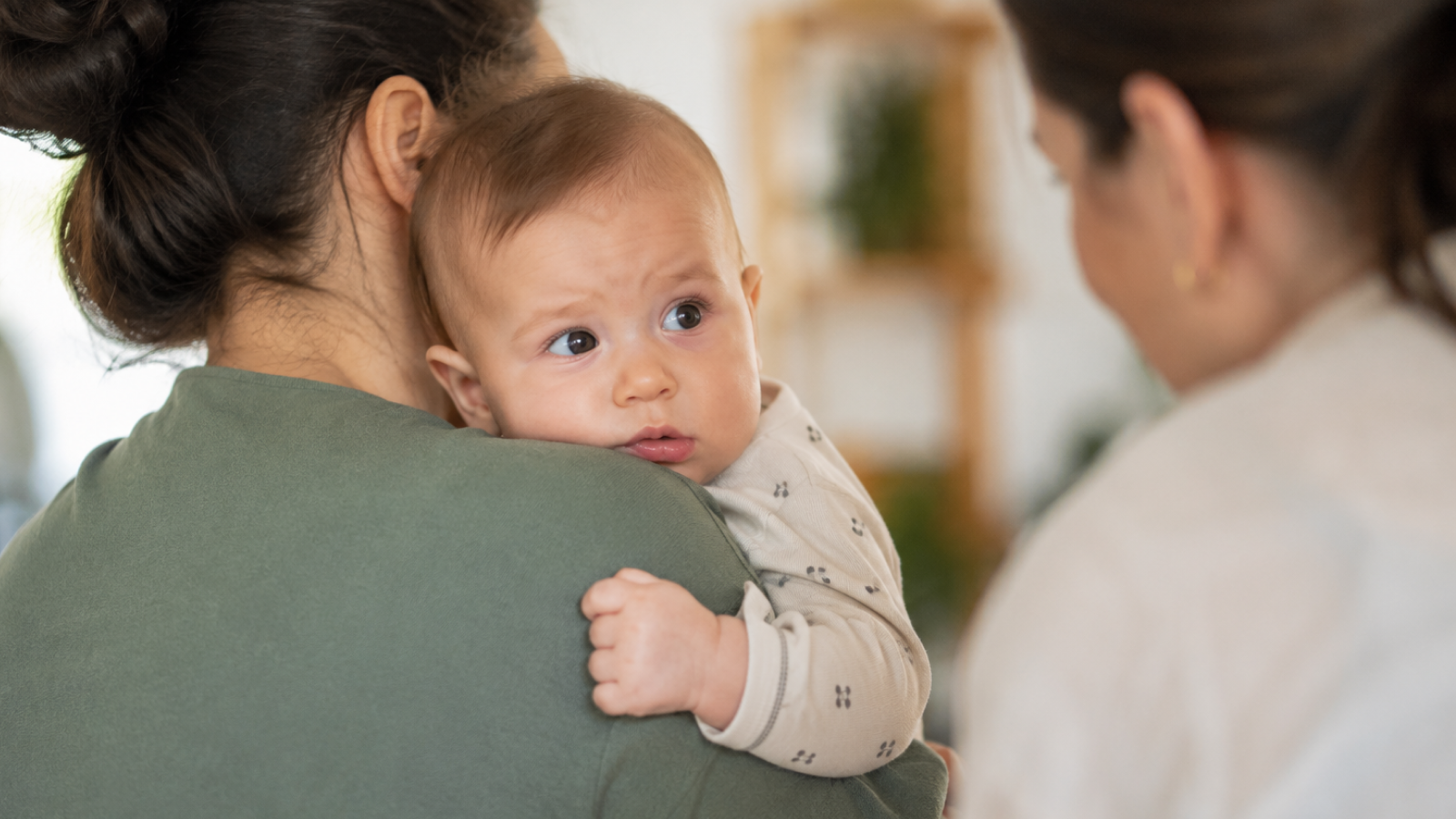
- shows intense emotions when frustrated and seeks comfort from familiar people
This development is an important step towards greater independence.
What You Can Observe Now
Many parents experience similar situations during this phase.
Your child:
- often says "No!", "Myself!", or "Me!"
- wants to dress themselves or eat independently
- eagerly helps with small tasks in daily life
- visibly enjoys self-achieved successes
- quickly becomes angry when something doesn't work yet
- seeks closeness and comfort after a tantrum
This interplay between independence and the need for security is typical for this age.
What Your Child is Learning Now
With each new developmental step, your child gains important experiences.
The focus now is on:
- Independence through small tasks in daily life
- Language, to better express wishes and feelings
- Emotional regulation, even though strong emotions are still hard to control
- First rules and routines like "Tidy up first, then eat"
The goal is not perfection, but trying, repeating, and learning.
Motor Skills and Movement
Physically, your child is also developing significantly.
Many children can now:
- walk confidently and maintain their balance better
- carry objects while walking
- run short distances
- overcome small obstacles
- climb onto furniture or low steps
- push or pull toys
Falling is still part of the process and is usually part of learning.
How You Can Support Your Child
Your child now needs opportunities to be active on their own.
Helpful are:
- Allow your child to take on small tasks in everyday family life
- Offer manageable choices
- Calmly name and support feelings
- Set clear, loving boundaries
- Appreciate successes without expecting perfection
The more your child is allowed to try things on their own, the more they will trust in their own abilities.
What You Should Know
Many parents find this time particularly challenging. In fact, the frequent desire for independence shows that your child is developing healthily.
Tantrums, protests, or the famous "I want to do it myself!" are usually not signs of poor upbringing but expressions of an important developmental phase. With patience, clear structures, and plenty of closeness, your child will gradually learn to better regulate their emotions and find their own solutions.
Milestones
Between 18 and 20 months, many children can:
- Walk freely and run short distances (16–20 months)
- Form first two-word sentences (18–24 months)
- Understand and follow simple instructions (16–22 months)
- Consciously imitate everyday actions (15–21 months)
- Show a strong will and want to do many things themselves (17–23 months)