Baby Development in Months 8-9
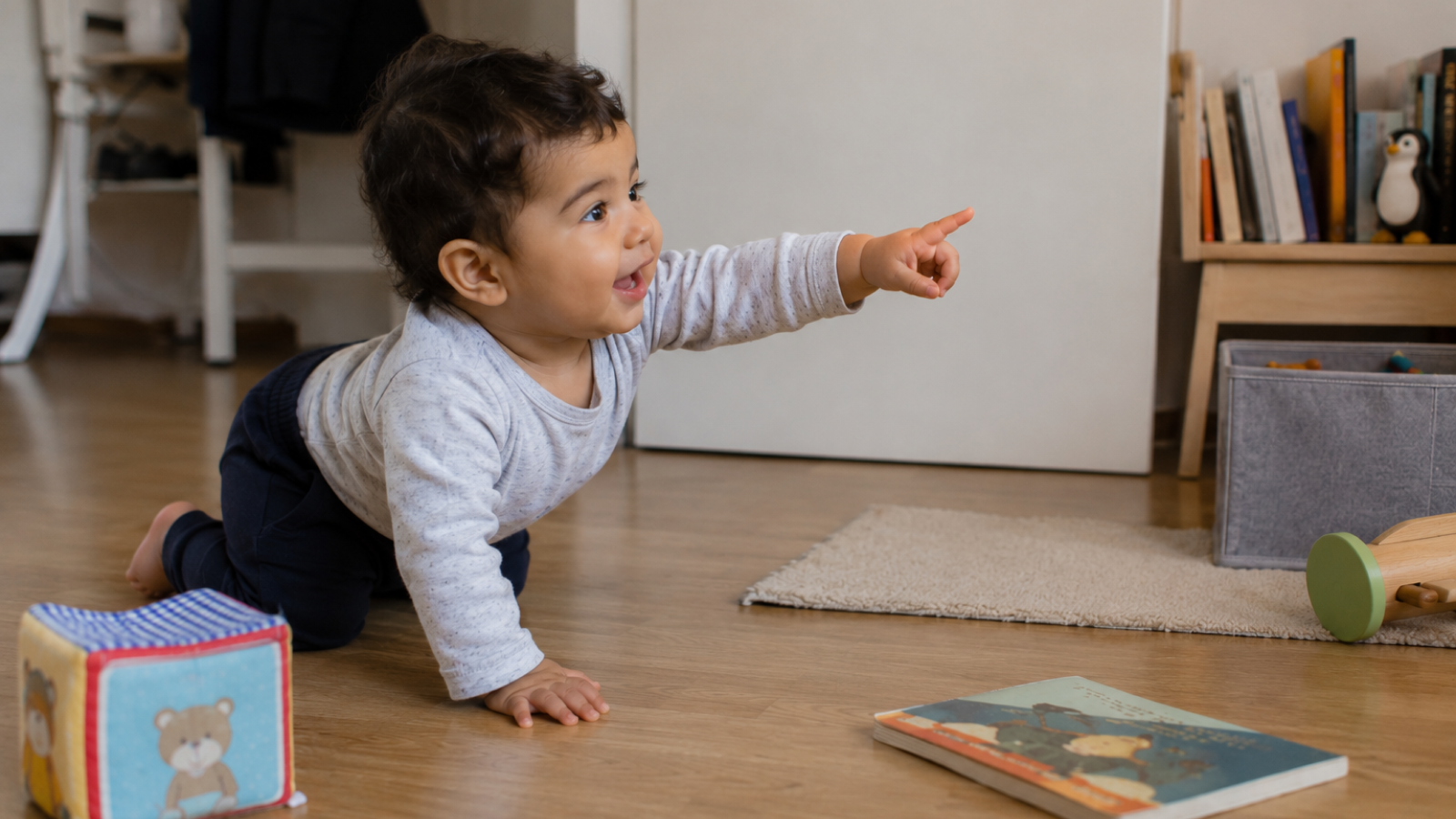
Is your baby suddenly crawling, pulling up on furniture, or pointing at everything that catches their interest? Between the 8th and 9th month, many babies make significant developmental strides. They become more mobile, communicate more consciously, and explore their surroundings with increasing curiosity.
The most important reassurance first: Every baby develops at their own pace. Some are already crawling confidently, while others prefer scooting, rolling, or turning. What matters is not when exactly a developmental milestone is achieved, but that your child is continuously progressing overall.
What You Might Notice Now
You might observe that your baby:
- Sits securely and changes position independently
- Crawls, scoots, or finds other ways to move forward
- Begins to pull up on furniture
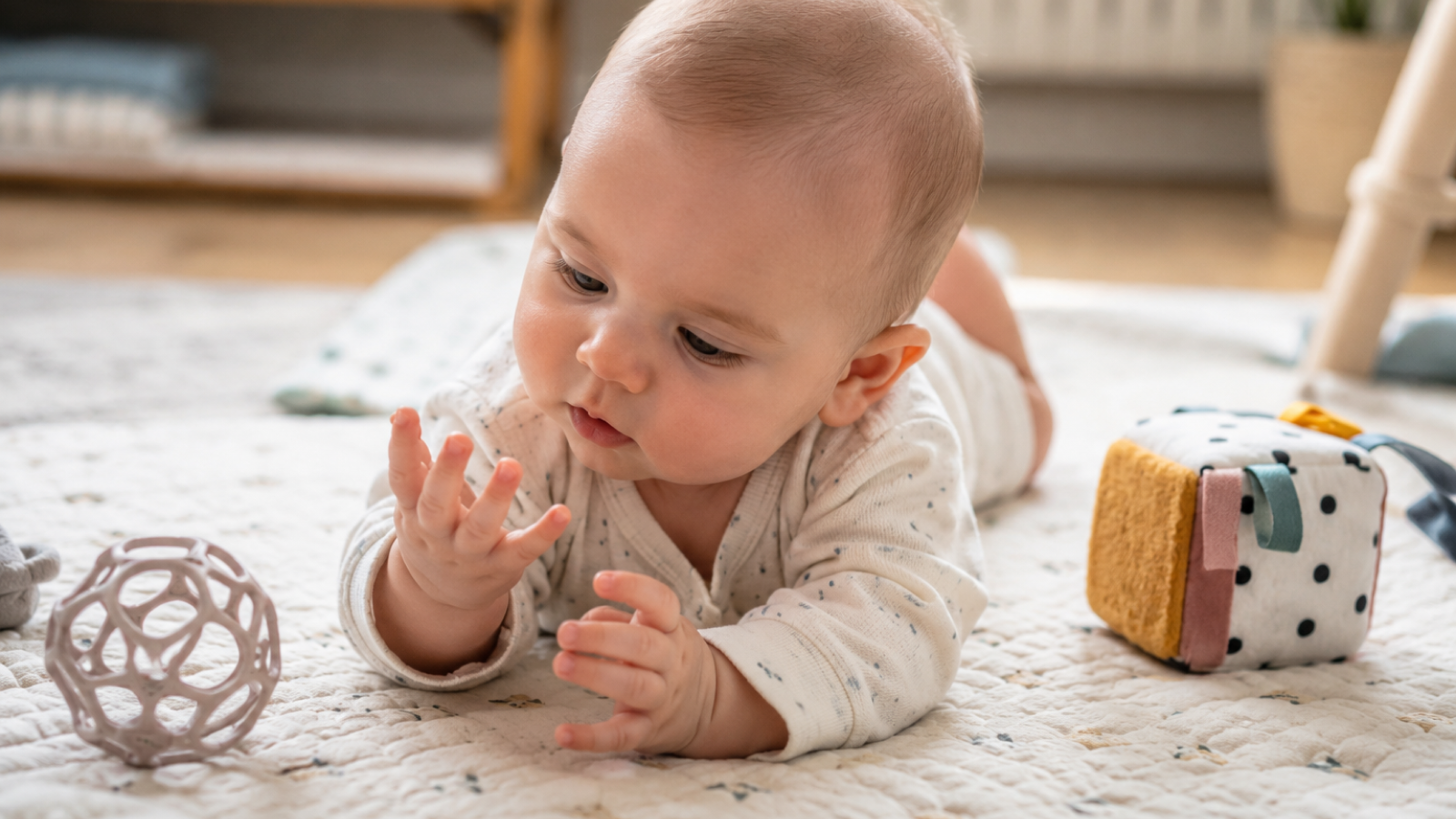
- Grasps small objects more deliberately
- Babbles with syllables like "ba-ba" or "da-da"
- Responds to their name
- Uses looks, sounds, or gestures to draw attention to something
- Points with their finger more often or stretches out their arms to be picked up
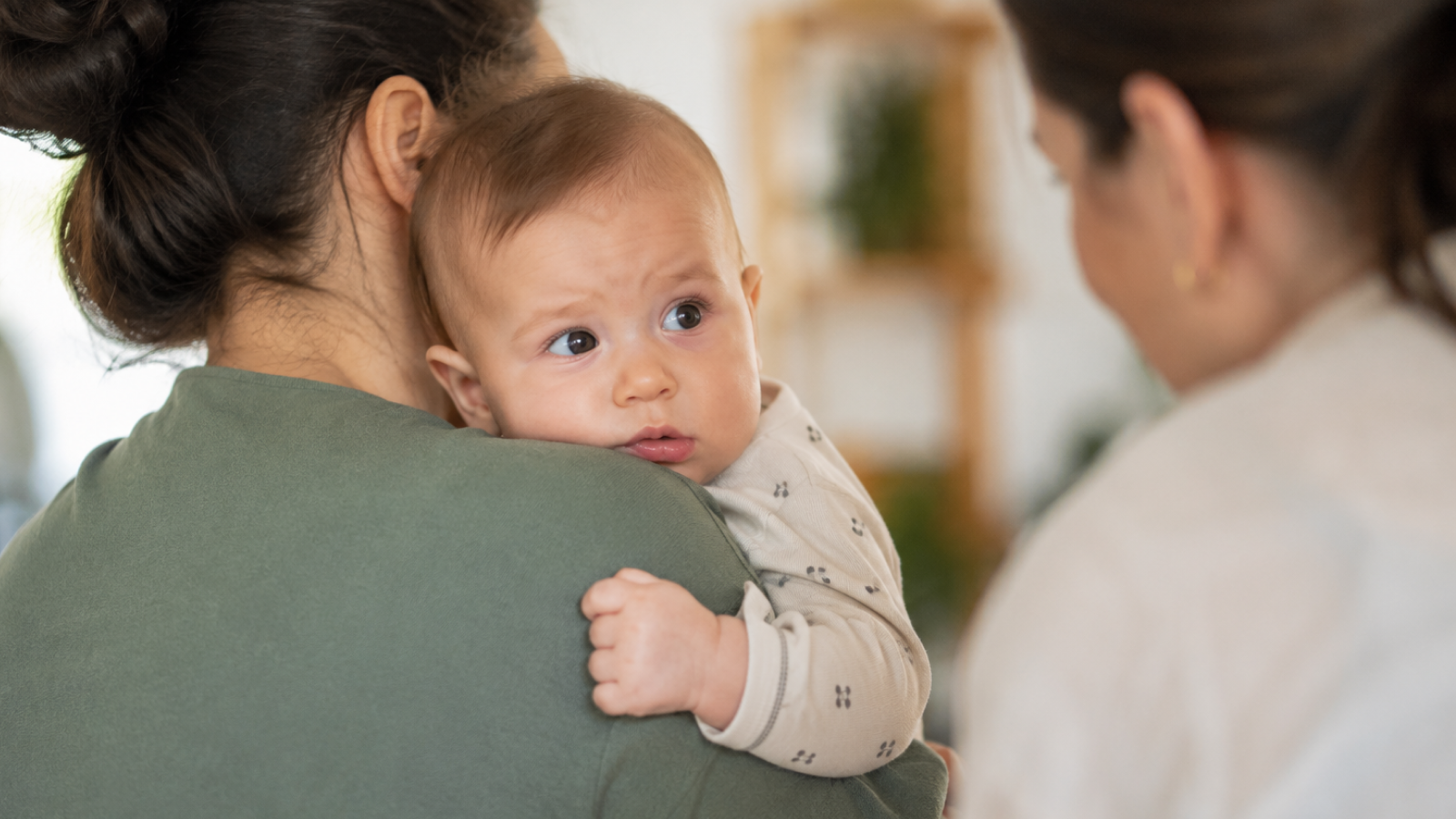
- Clearly distinguishes between familiar and unfamiliar people
Many babies now actively seek interaction with their caregivers and want to share their discoveries with them.
What Your Baby Needs Now
With increasing independence comes a greater need for security.
What helps now:
- Plenty of time for free movement
- A safe environment to explore
- Reliable daily routines
- Loving support during stranger anxiety
- Shared play, talking, and naming things
If your baby points at something or seeks eye contact, it's worth engaging with them. This way, they learn that communication has an impact.
Nutrition and Health
Many babies are now eating more solid foods and want to join in at mealtimes.
Typical in this phase:
- Interest in different textures
- First attempts at self-feeding
- Reaching for a spoon or cup
- Clear preferences for certain foods
- Teething with increased drooling or chewing needs
Breast milk or infant formula remains an important part of their diet.
How You Can Support Your Baby
Your baby is now learning primarily through their own experimentation.
Helpful activities include:
- Building blocks, stacking cups, or simple shape-sorting games
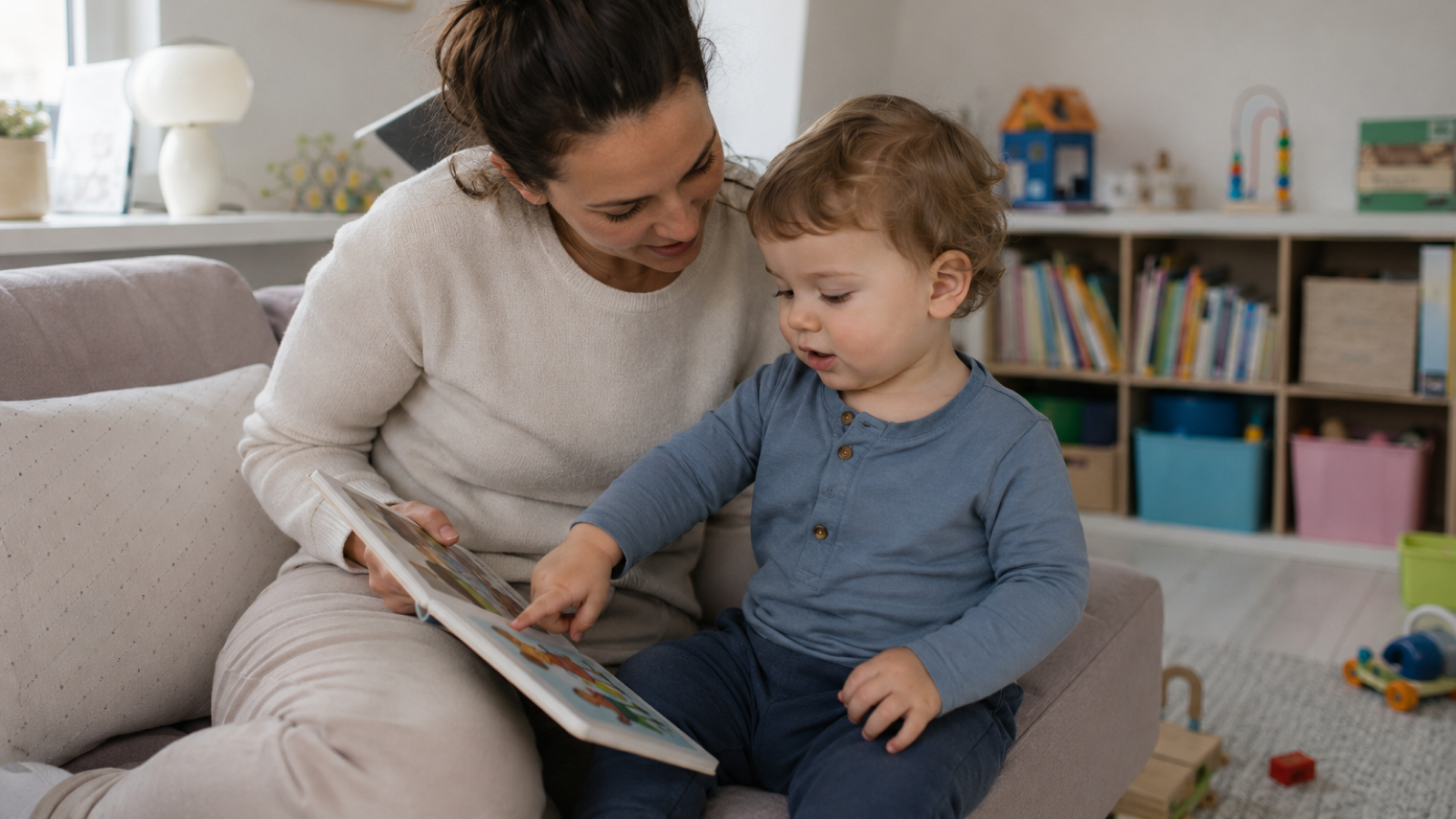
- Looking at picture books together and naming things
- Describing objects by color, shape, or size
- Providing enough space for crawling and exploring
- Patience when something doesn't work out yet
You don't need to entertain or stimulate your baby. Playing together, talking, and responding to their signals best support their development.
Milestones
- your baby usually sits securely and independently switches between different positions
- crawls, scoots, or finds their own ways of moving
- increasingly grasps small objects with thumb and index finger (pincer grasp)
- babbles longer sequences of syllables like "ba-ba" or "da-da"
- reliably responds to their name and increasingly points to interesting things with gestures or fingers
In Summary
Between the 8th and 9th month, your baby becomes more active. They move more independently, discover new ways of communicating, and increasingly understand connections in their environment. Crawling, babbling, pointing, and first attempts at self-feeding are often key developmental steps during this phase.