Child Development in Months 67 – 72
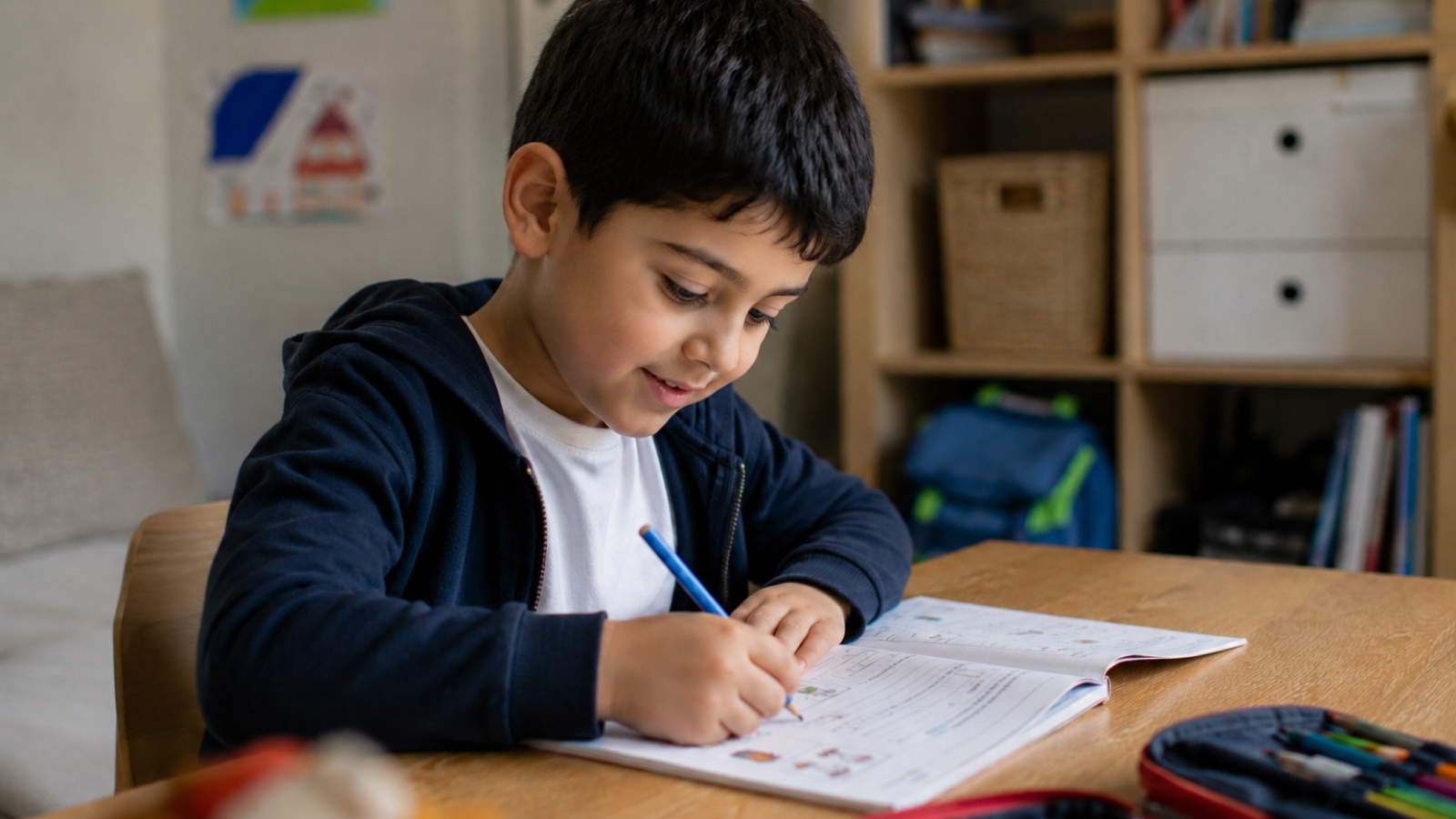
At around five and a half to six years old, many children face a significant milestone: starting school. During this time, your child not only develops further in language and cognition but also gains independence, a sense of responsibility, and social confidence. They can concentrate for longer periods, understand connections better, and tackle challenges more independently.
You might notice that your child wants to be more involved in daily activities, proudly shares what they've learned, or asks many questions about how school works. These are all important steps on the path to becoming a schoolchild.
Current Developments
Between 67 and 72 months, many skills come together that make starting school easier.
Many children now begin to:
- concentrate on tasks for longer periods,
- solve problems independently,
- recognize logical connections,
- take responsibility for their own tasks,
- consciously question and understand rules,
- resolve conflicts more independently,
- increasingly regulate their own emotions.
This development is individual—each child has their own strengths and pace.
What You Can Observe Now
In daily life, many new skills become apparent.
You might notice that your child:
- tells stories in a detailed and well-structured way,
- proudly explains what they've learned,
- prepares their backpack or clothes by themselves,
- takes responsibility for small tasks,
- compares themselves with other children,
- completes longer games or projects with focus,
- wants to have a say in decisions.
Interest in rules and their meaning also increases significantly.
Learning Becomes More Conscious
Many children now enjoy understanding new things.
For example:
- comparing numbers and quantities,
- recognizing first letters,
- following stories,
- asking questions and seeking answers together,
- organizing small tasks independently.
The focus is not on the knowledge itself but on the joy of learning.
Social Skills Become Increasingly Important
With the upcoming school start, the importance of social interactions grows.
Many children can now:
- be considerate,
- empathize better with others,
- make compromises,
- resolve conflicts more often with words,
- take responsibility within a group.
These skills are often more important for a successful school start than early reading or math.
Better Emotional Regulation
Emotional development also makes further progress.
Many children can increasingly:
better handle disappointments,
talk about their feelings,
ask for help,
calm down after excitement,
use movement consciously to relieve tension.
Of course, there will still be days when strong emotions take over – that's part of development.
How You Can Support Your Child
In this phase, trust is especially important for development.
Helpful actions include:
- trusting your child with responsibility,
- preparing for the school day together,
- reading aloud and talking with each other,
- answering questions together,
- planning enough time for free play and movement,
- praising effort and perseverance – not just correct results,
- taking uncertainties seriously and talking about worries.
A relaxed transition is usually more successful than early promotion of individual school subjects.
What You Should Know
Starting school is not a test that children must pass, but another step in their development. More important than early reading or math skills are curiosity, self-confidence, social skills, and the ability to face challenges. Each child brings their own strengths to this. With loving support, enough time to play, and trust in their abilities, your child will develop step by step into an independent schoolchild.
Milestones
Between 67 and 72 months, many children can:
- start and complete tasks independently (66–78 months)
- understand, question, and discuss rules (66–78 months)
- explain cause-and-effect relationships in everyday life (66–78 months)
- take responsibility for their own actions (66–78 months)
- prepare emotionally and organizationally for starting school (66–78 months)