Child Development in Months 36–40
Between 36 and 40 months, your child takes a significant developmental leap: they no longer just want to discover the world, but to understand it. The many "What is this?" questions increasingly become "Why?", "How?", or "Why so?". Your child begins to recognize connections, understand rules, and develop their own explanations.
You might notice that they suddenly want to know everything in detail, tell stories more elaborately, or sort things by colors, sizes, or quantities. Numbers, time, and sequences are also becoming more tangible now.
What’s Developing Now
Around the age of three, language, thinking, and imagination work more closely together.
Many children now begin to:
- ask numerous why, how, and why so questions,
- understand simple connections,
- sort objects by characteristics,
- compare quantities like "more" or "less",
- playfully use first numbers,
- better understand processes and sequences,
- tell stories more consciously.
Each child develops these skills at their own pace.
What You Can Observe Now
In everyday life, many new skills become apparent.
You might notice that your child:
- repeatedly wants to know why something happens,
- listens attentively and remembers stories,
- solves puzzles or small tasks with persistence,
- compares colors, shapes, or sizes,
- counts or names quantities while playing,
- invents their own rules for role-playing,
- tells experiences in a logical sequence.
Even if the explanations are sometimes still imaginative, your child is developing important foundations for logical thinking.
Language and Thinking Develop Together
At almost three and a half years old, language increasingly becomes a tool for thinking.
Many children:
- form longer sentences,
- ask specific questions,
- tell experiences in more detail,
- can explain simple cause-and-effect relationships,
- increasingly understand temporal terms like "before", "after", or "tomorrow".
Shared conversations remain the most important driver for this development.
First Mathematical Concepts Emerge
Mathematics begins long before school.
Many children are now interested in:
- counting,
- comparing,
- sorting,
- sizes,
- shapes,
- patterns,
- sequences.
It's not yet about correct calculations, but about developing an initial sense of quantities and structures.
Imagination and Role Play Become More Complex
Role play develops significantly further.
Many children:
create longer stories,
switch between different roles,
invent their own game rules,
consciously include other children in their play,
solve small problems within their fantasy world.
In doing so, they naturally practice language, creativity, and social skills.
Motor Skills Become More Refined
Your child is also developing physically.
Many children can now:
- walk and run confidently,
- jump with both feet,
- hop short distances on one foot,
- balance,
- climb,
- draw and craft with more precision,
- increasingly manage buttons or zippers on their own.
With each new movement, their self-confidence grows.
How You Can Support Your Child
Your child learns a lot now by thinking and trying things out on their own.
Helpful activities include:
- answering "why" questions together,
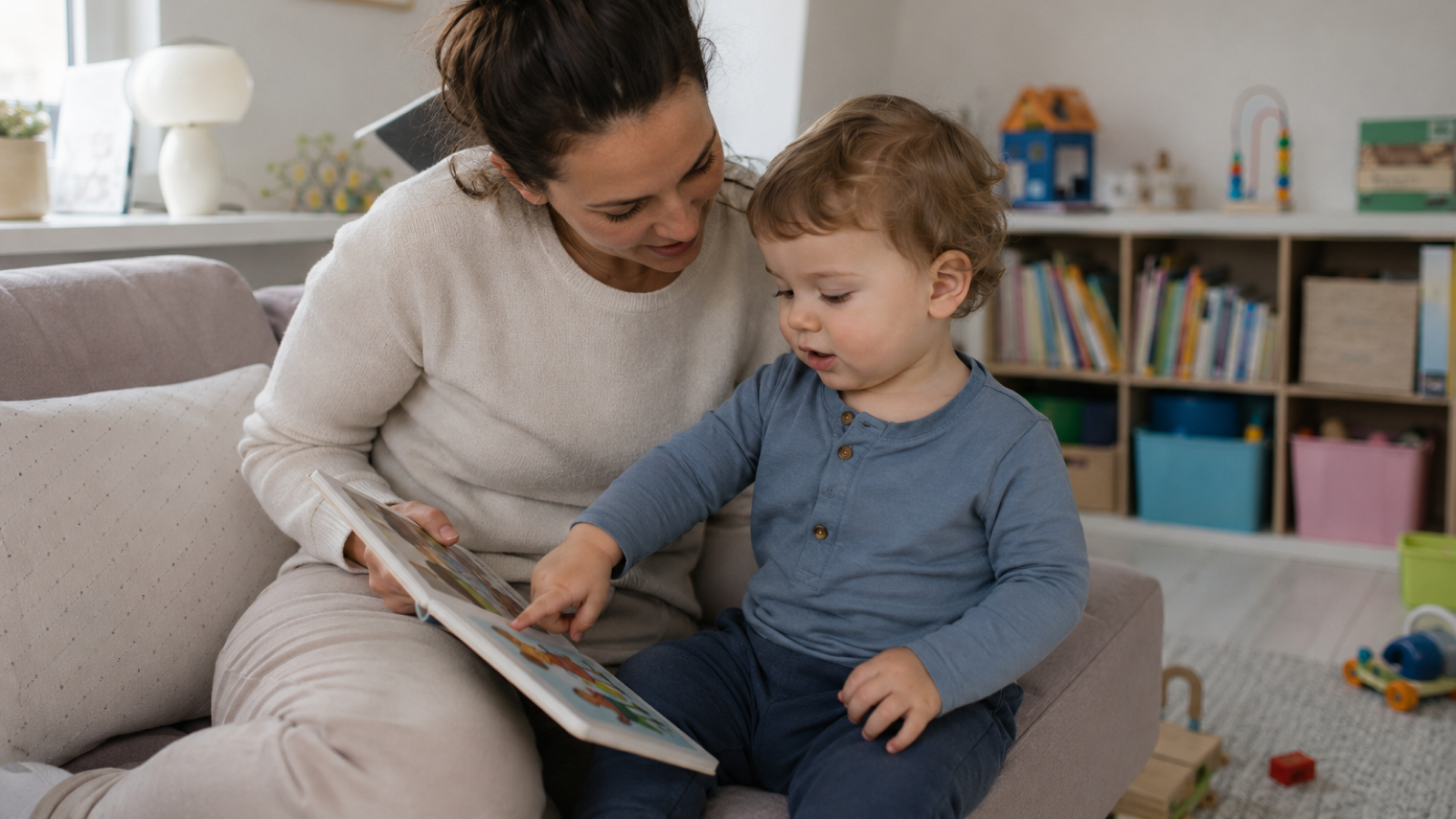
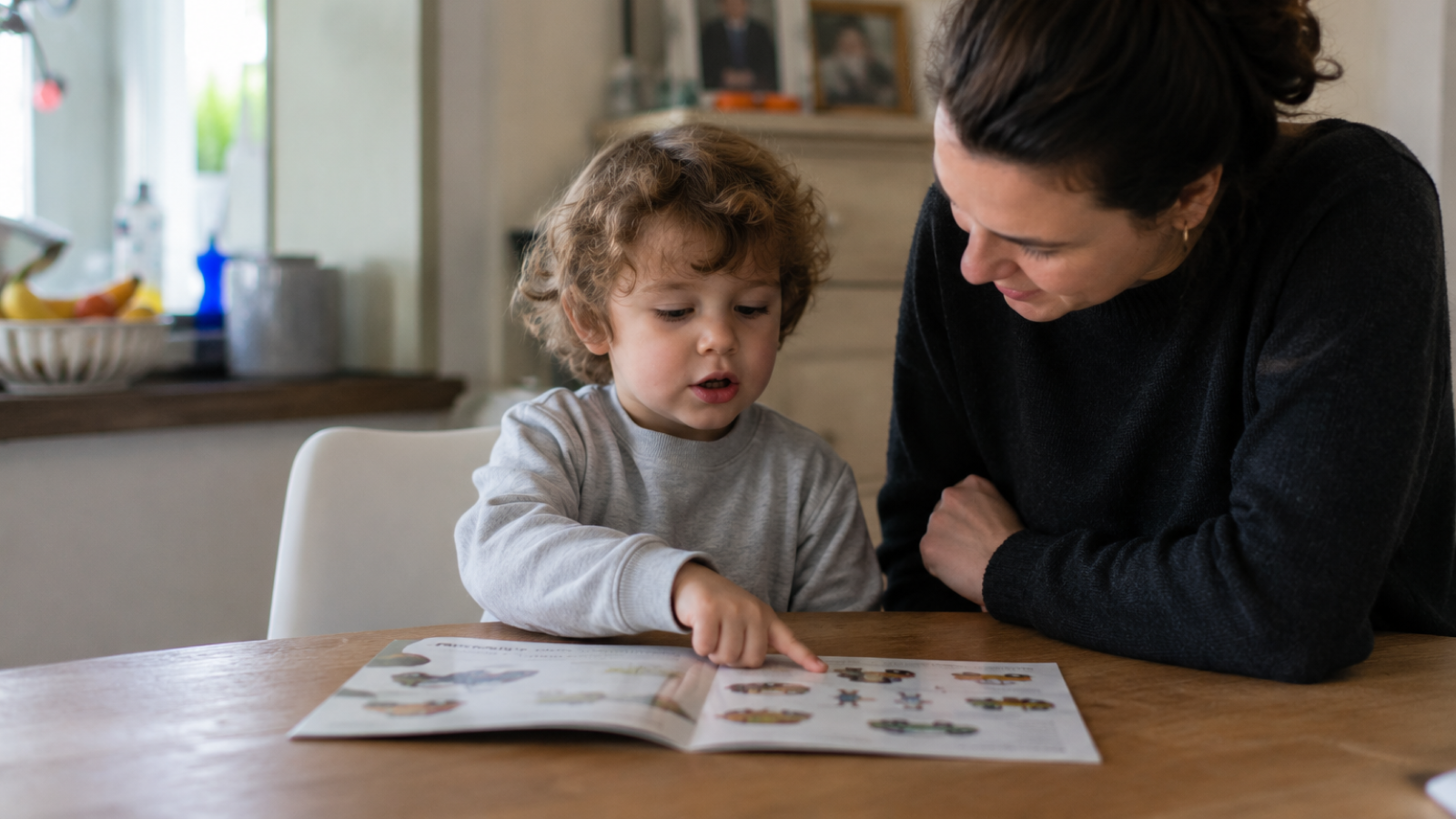
- reading books and discussing them afterwards,
- counting and sorting together,
- playing puzzles or simple board games,
- providing plenty of space for free role play,
- singing songs and reciting rhymes,
- explaining daily routines together.
You don't need to have the perfect answer to every question right away. Often, it's enough to search for an explanation together.
What You Should Know
Around the age of three, your child develops a better understanding of connections, patterns, and rules. They want to know why things happen, think about solutions, and discover early mathematical concepts. At the same time, language, imagination, and role play become more complex. This curiosity is an important foundation for later learning and can be encouraged naturally in everyday life.
Milestones
Between 36 and 40 months, many children can:
- frequently ask "why" or "how" questions (36–44 months)
- count or compare small quantities (36–45 months)
- understand simple sequences and orders (36–42 months)
- jump confidently with both feet (34–42 months)
- tell small stories with a clear beginning and end (36–48 months)
- increasingly categorize day, night, and recurring daily routines (36–42 months)