Child Development in Months 17–18
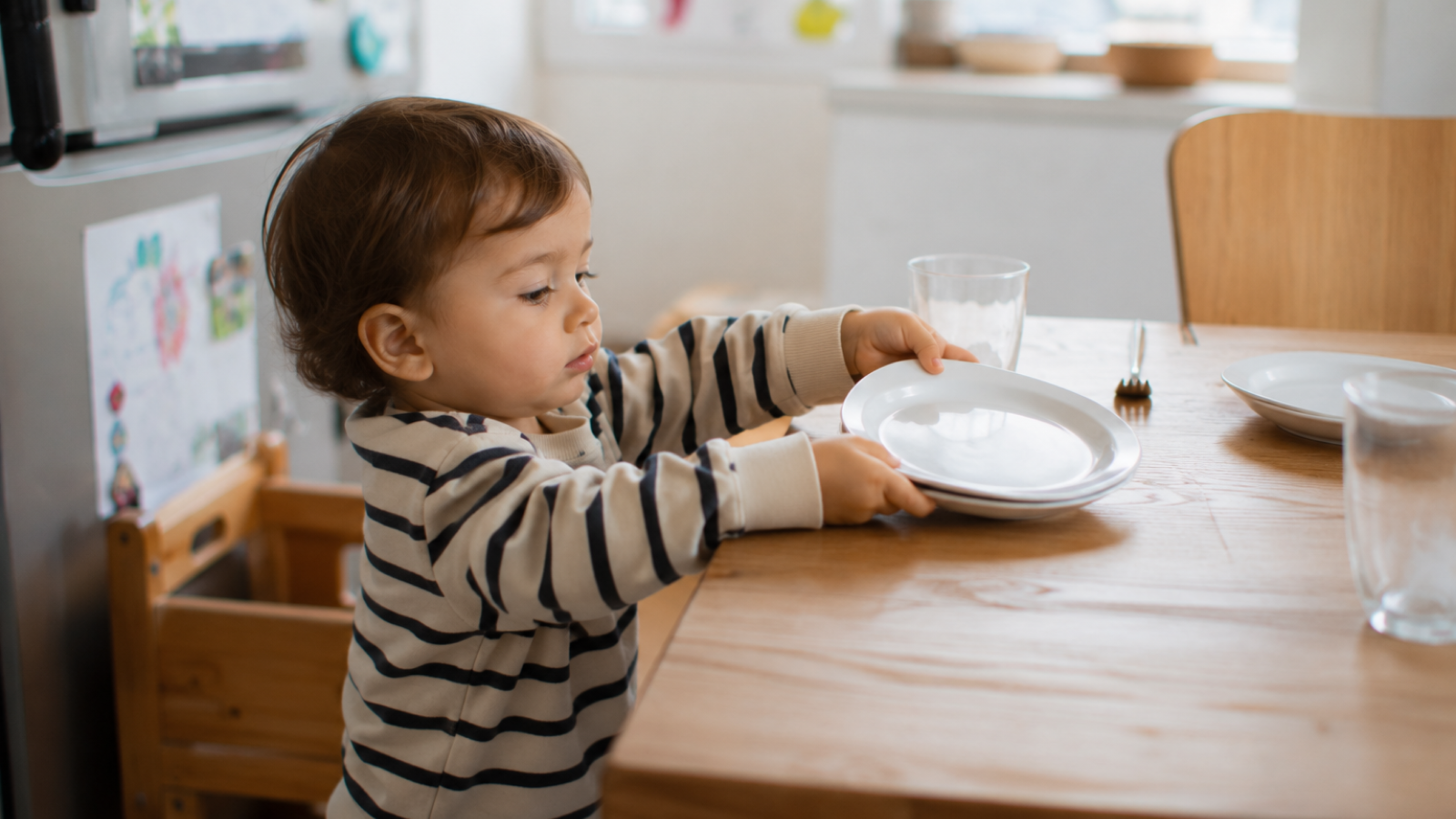
Around 17 to 18 months, many families notice significant changes in their daily life. Your child no longer just wants to watch – they want to participate. They help set the table, try to eat by themselves, put on shoes, or want to carry groceries. At the same time, they are discovering their own will more strongly and begin to understand simple rules and routines.
Many parents experience more discussions during this phase, hear a clear "no" more often, and notice a desire for independence. This is part of healthy development.
What You Can Observe Now
You might notice that your child:
- wants to help with everyday tasks
- recognizes familiar routines in daily life
- engages in role play, like cooking, talking on the phone, or caring for dolls
- wants to do things “by themselves” more often
- begins to understand simple rules
- closely observes and imitates other children and adults
Even though much seems surprisingly independent, your child still needs a lot of guidance and direction.
What Your Child is Developing Now
In this phase, understanding how to live with others grows significantly.
Your child begins to:
- recognize routines in the family or daycare
- understand simple rules
- comprehend different roles
- see themselves as an independent person
- want to take responsibility for small tasks
At the same time, the need to make their own decisions becomes stronger.
What Your Child Needs Now
Particularly helpful now are:
- set daily routines and rituals
- small tasks in family life
- clear and understandable rules
- patience with their attempts to solve problems
- praise for initiative
- loving support during frustration
Your child is learning to be part of a community. Being allowed to participate boosts their self-confidence.
Movement and Motor Skills
Many children become noticeably more confident and daring now.
They often develop:
- confident free walking
- changing directions and walking backward
- climbing on low play equipment or stairs
- carrying toys or small objects while walking
- first balancing exercises on curbs or small elevations
- increasingly skillful hand movements while playing and eating
With growing enthusiasm for movement, their urge to explore also increases. A safe environment remains particularly important.
Language and Communication
Between the 17th and 18th month, many children make significant progress in language.
Many children:
- speak between about 10 and 50 words
- combine first words together
- understand more and more instructions
- name familiar people or objects
- increasingly use language to express wishes
Some children speak significantly more, others significantly less. Both can still be normal at this age.
Play and Learning
Play is visibly changing now.
Many children:
- take care of dolls or stuffed animals
- reenact everyday situations
- create small play sequences
- watch other children attentively
- start engaging in first shared play situations
Role-playing games now naturally promote language, imagination, and social development.
Eating, Sleeping, and Daily Life
Your child is becoming more independent in family life too.
Typically, they:
- want to eat by themselves as much as possible
- want to use their own cutlery
- develop clear food preferences
- want to help with everyday tasks
- sometimes test or question rules
- may become temporarily more clingy due to changes like starting daycare
Fluctuating appetite, new food preferences, and the desire for autonomy are common at this age.
How You Can Support Your Child
Your child is learning a lot in everyday life now.
Helpful actions include:
- allowing them to take on small tasks
- talking a lot and explaining things
- guiding role-playing games together
- enabling simple decisions
- putting feelings and situations into words
- calmly and consistently setting clear boundaries
Your child doesn't have to do everything alone. It's important that they can try things out and feel safe while doing so.
Independence Grows Every Day
Around one and a half years old, your child wants to actively shape their world. They discover new skills, take on first tasks, and want to do many things by themselves. At the same time, they still need your support to handle frustration, disappointment, and strong emotions. A loving, reliable environment provides the security they need for this development.
Milestones
Between the 17th and 18th month, many children show the following developmental steps:
- walk confidently and climb over low obstacles
- squat down independently and stand back up
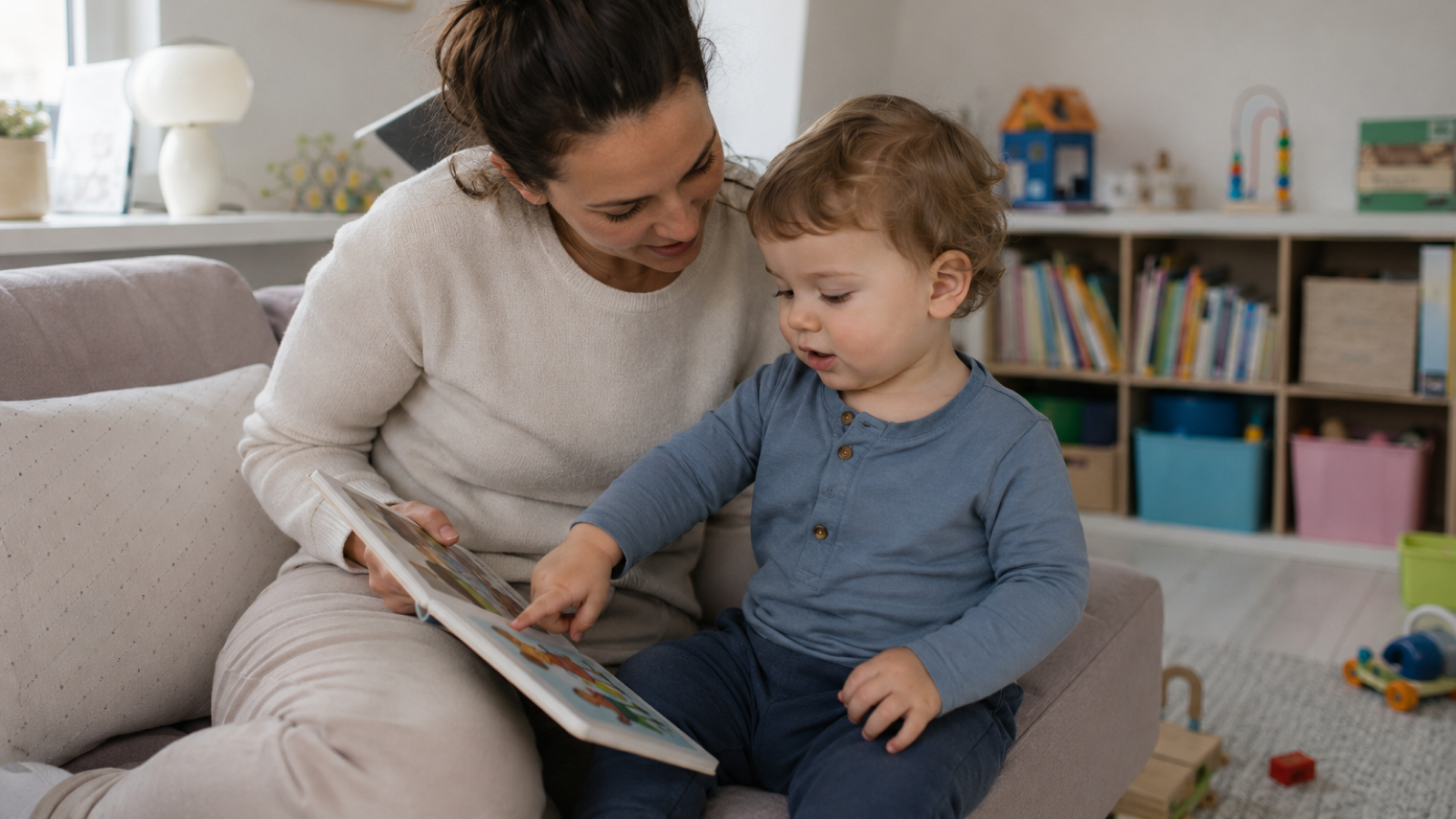
- turn pages in picture books purposefully
- increasingly eat independently with a spoon or fork
- speak first words or short word combinations
- play simple role-playing games with dolls or stuffed animals
- help with small tasks in daily life
- show interest in recurring routines and rules
These age references serve as a guide. Children develop differently and reach many milestones at their own pace.