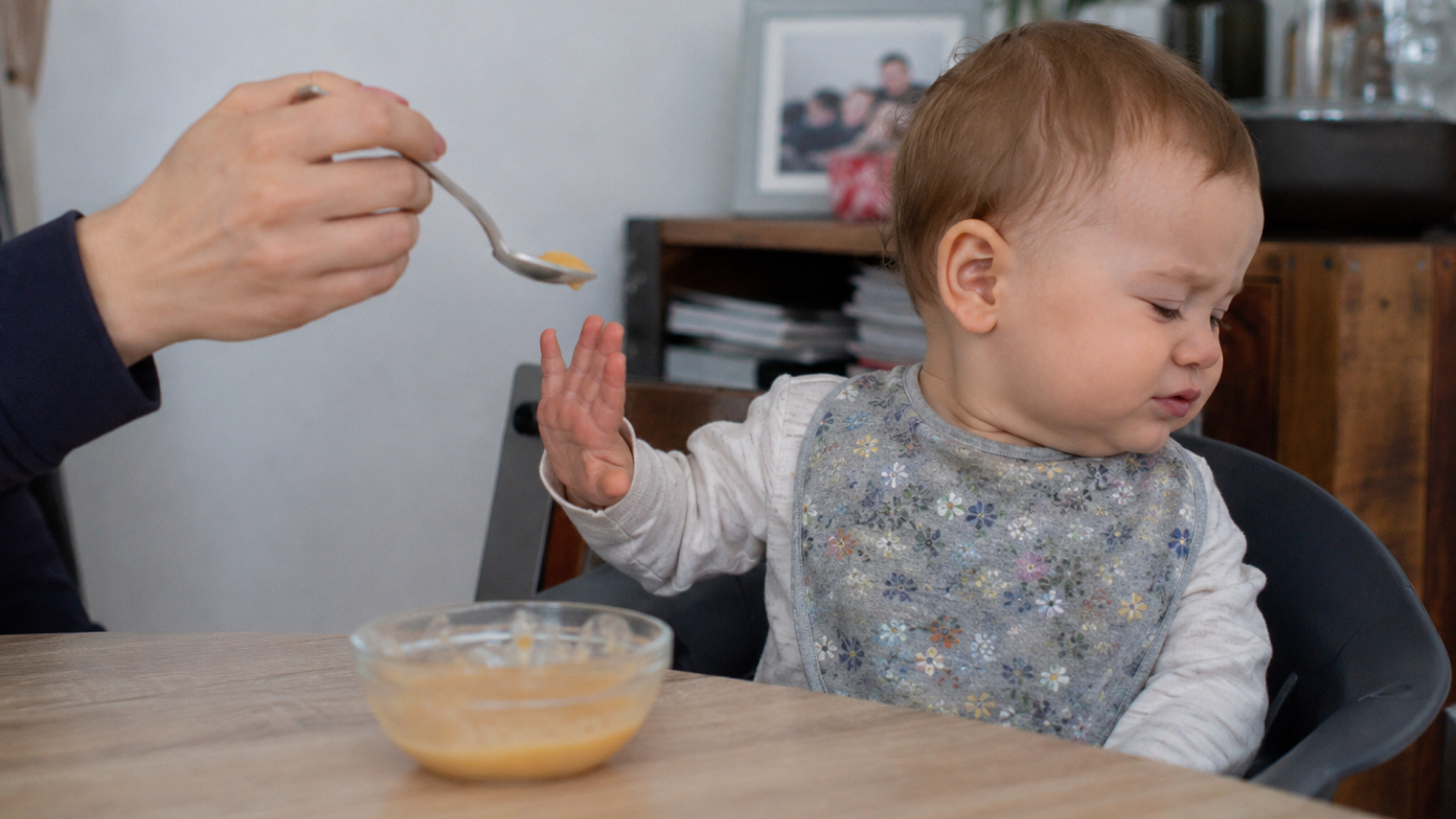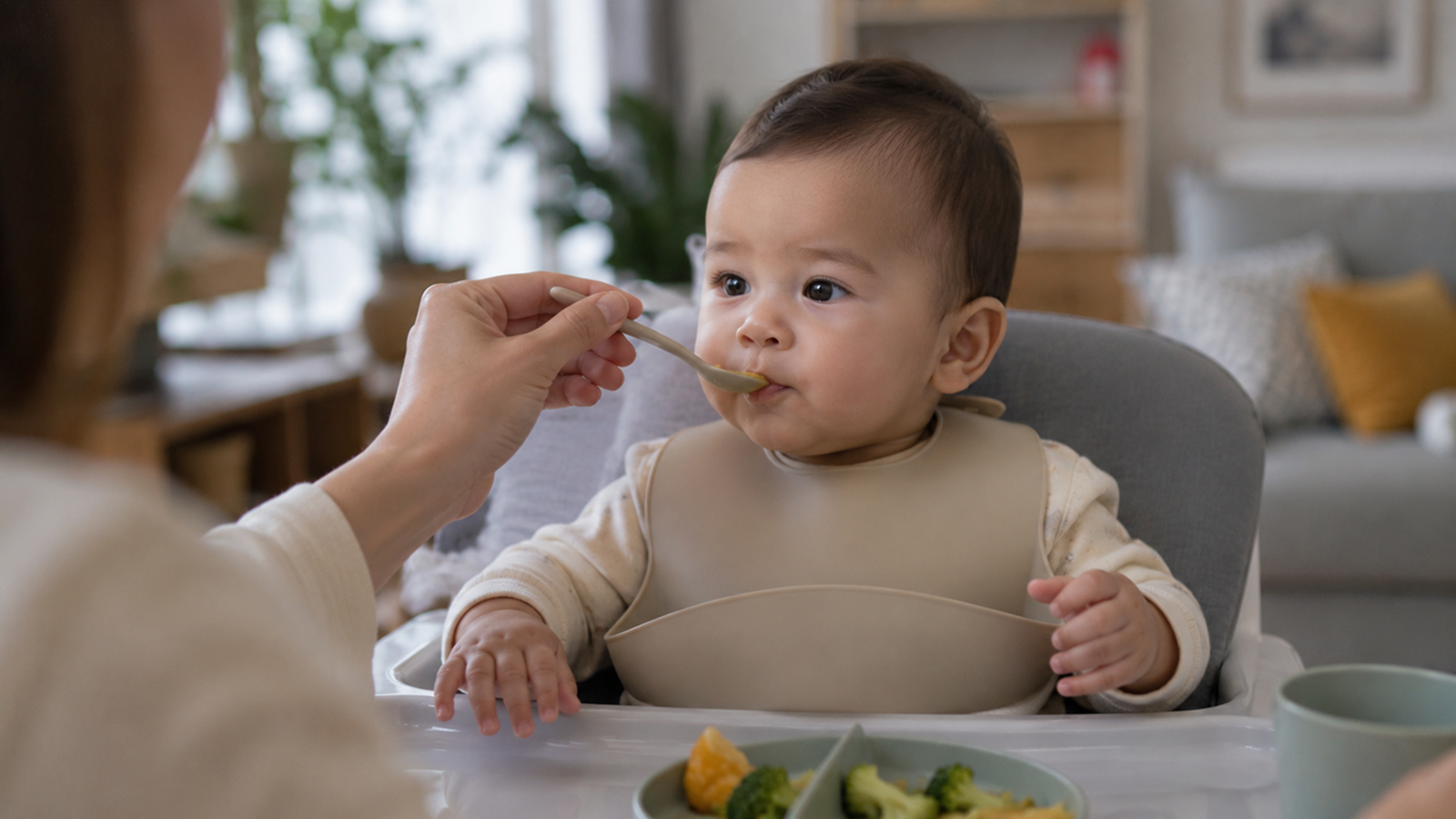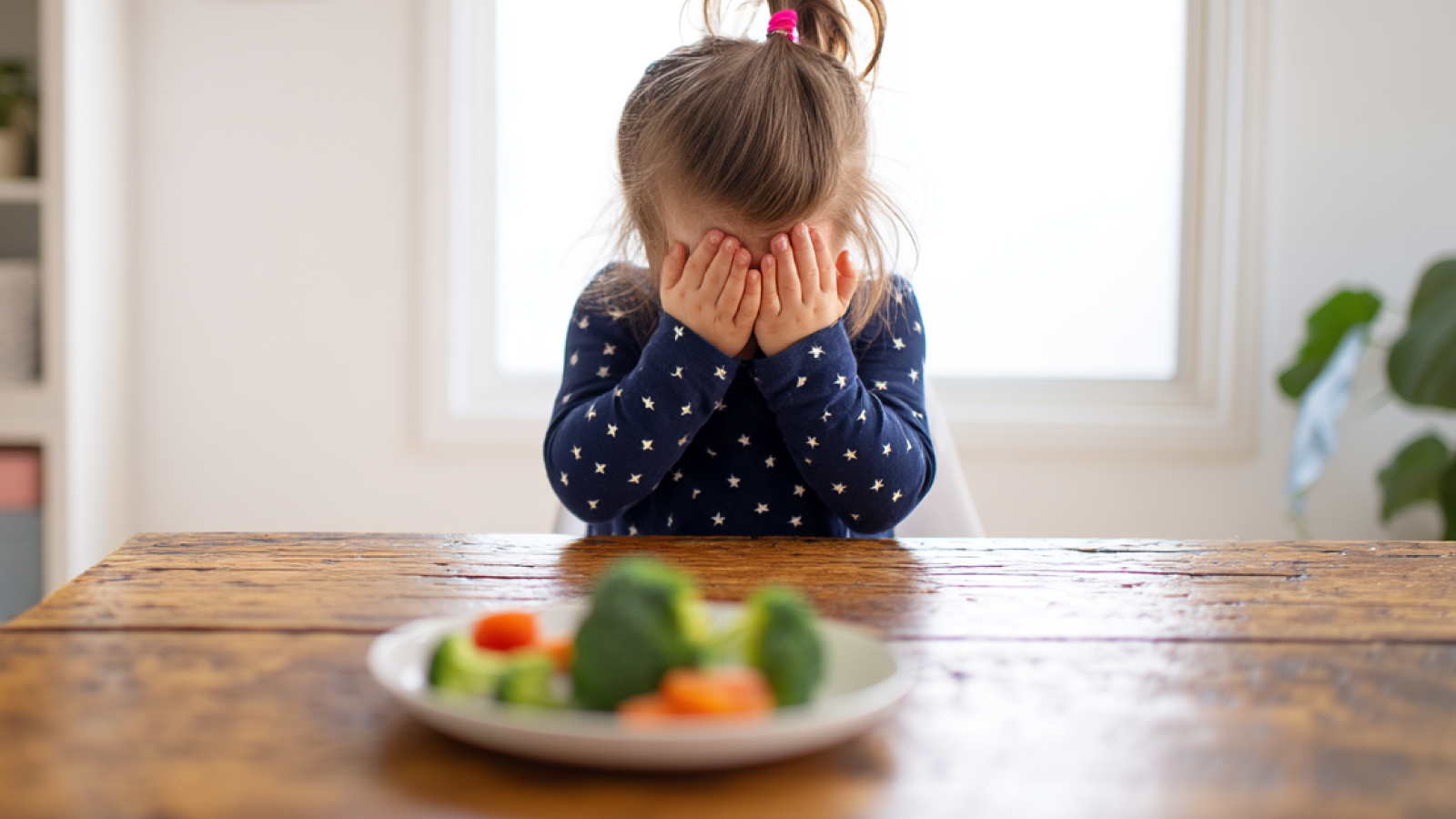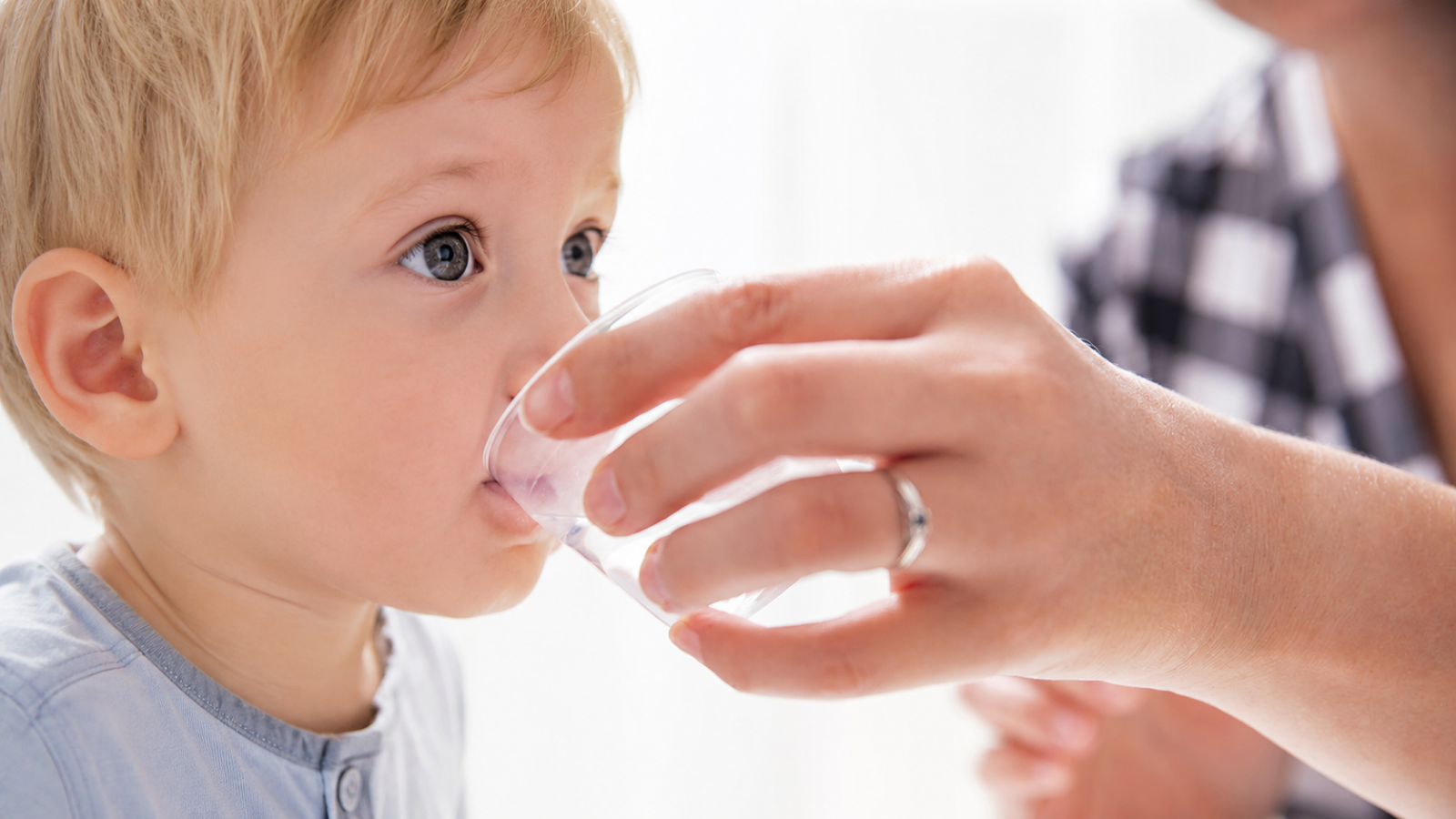
Is your child suddenly drinking much less water, tea, or milk? The water bottle stays almost full, and every reminder to drink ends with a "No"? This can worry many parents, especially during fever, hot weather, or a stomach bug.
Children don't drink the same amount every day. Some days, they are less thirsty than others. What's important is not the amount they drink at one meal, but whether your child is getting enough fluids overall and shows no signs of dehydration.
Why do children sometimes drink less?
A temporary decrease in drinking can have many causes.
Common reasons include:
- Fever or infections
- Sore throat or difficulty swallowing
- Vomiting or diarrhea
- Teething
- Hot weather
- Distraction while playing
- Changes in daily routine
Especially in young children, fluid loss can become noticeable more quickly than in adults.
How can you tell if your child is drinking enough?
Not every amount of drinking can be measured exactly. Often, simple observations in everyday life can help.
A well-hydrated child:
- Has regular wet diapers or goes to the toilet normally
- Appears alert and responsive
- Has moist lips and a moist mouth
- Plays or engages in activities as usual
- Shows no unusual tiredness
Signs of dehydration
The less fluid the body has, the more noticeable the symptoms often become.
Pay special attention to the following warning signs:
- Significantly fewer wet diapers or infrequent urination
- Dry lips or a dry mouth
- Sunken eyes
- Few or no tears when crying
- Unusual tiredness or lethargy
- Irritability or lack of interest
- Cool hands or feet
- Sunken fontanelle in infants
The more of these signs appear together, the more important it is to seek medical advice.
What can help at home?
If your child can generally drink and shows no warning signs, small measures often help.
For example:
- Offer small amounts regularly instead of large portions
- Try different age-appropriate drinks
- Incorporate drink breaks into the daily routine
- Keep drinks handy during playtime
- Offer drinks slightly chilled if your child prefers
- Be a role model and drink together
After vomiting, small sips at short intervals are often better tolerated than large amounts at once.
What should you avoid?
When your child drinks little, pressure can build up quickly.
Less helpful are:
- Constant reminders or pressure
- Sweet drinks as a reward
- Forcing large amounts of drinks at once
A calm environment often encourages children to drink again.
Especially important during fever, heat, or stomach issues
During fever, high temperatures, as well as diarrhea or vomiting, the need for fluids often increases significantly.
In these situations, make sure to:
- regularly offer drinks,
- watch for wet diapers or toilet visits,
- monitor the overall condition,
- and seek medical advice early if your child is taking in very little fluid.
In summary
Not every phase of low thirst is a cause for concern. The overall picture is crucial: How does your child seem? Are they drinking at least small amounts? Do they have enough wet diapers or go to the toilet normally? Especially for infants and during fever, diarrhea, or vomiting, watch for signs of dehydration and seek medical advice early if unsure.