Child Development in Months 61–66
At around five to five and a half years old, your child is in the midst of the preschool years. They are becoming more independent, can express their feelings better, and are developing an understanding of rules, responsibility, and living with others. At the same time, school is slowly approaching—a topic that makes many children curious, but some may also feel uncertain.
You might notice that your child wants to resolve conflicts more independently, engages in longer role-playing games, or thinks more deeply about what is right or wrong. All of this shows how much their thinking, language, and social skills are developing.
What’s Developing Now
Between 61 and 66 months, many skills are maturing simultaneously.
Many children are now beginning to:
- concentrate longer on tasks or games,
- perceive and express feelings more distinctly,
- resolve conflicts more often with words,
- plan play ideas together with other children,
- take on responsibility within a group,
- consciously engage with the topic of school,
- actively maintain friendships.
This development is individual—each child brings their own strengths.
What You Can Observe Now
In everyday life, many new skills are emerging.
You might notice that your child:
- tells longer stories or experiences coherently,
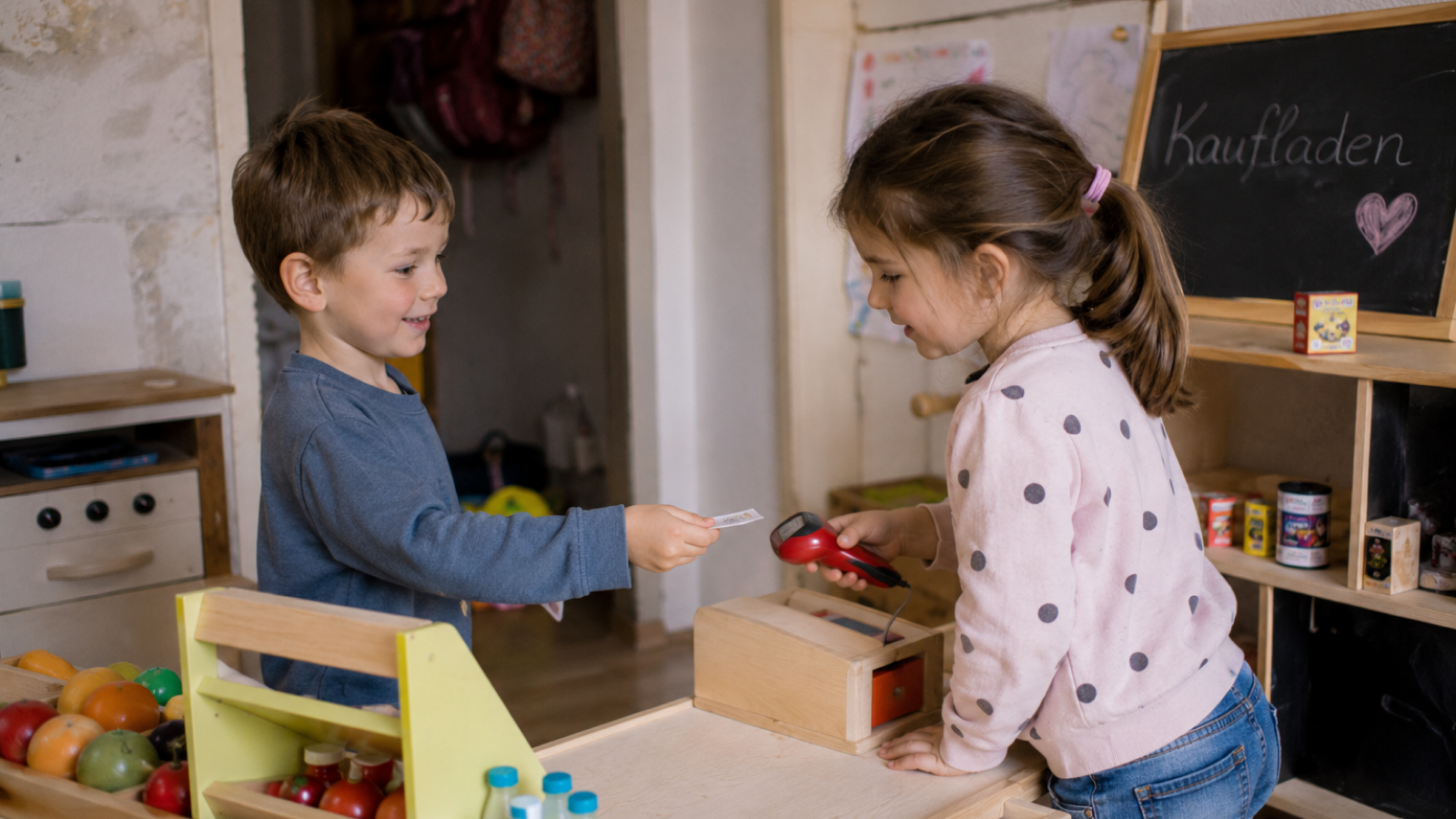
- assigns fixed roles and explains rules during play,
- wants to know why rules exist,
- tries to resolve disputes independently at first,
- is proud of their own achievements,
- can better endure disappointments,
- talks about school or asks questions about it.
There is also a noticeable increase in interest in the feelings of others.
Understanding and Expressing Feelings Better
Emotional development is taking a big step forward now.
Many children can:
- name their feelings more precisely,
- show empathy,
- comfort others,
- talk about worries,
- express frustration more often with words rather than anger.
Of course, they still need support—especially in stressful situations.
Friendships Become Closer
Friends are now playing an increasingly important role.
Many children:
- arrange playdates intentionally,
- develop shared interests,
- resolve minor conflicts on their own,
- consciously experience disappointment or reconciliation for the first time,
- want to belong to a group.
These experiences help further develop social skills.
Preparing for School Begins in Everyday Life
The upcoming start of school occupies many children.
It's less about reading or arithmetic and more about skills like:
listening attentively,
completing tasks,
finding solutions together,
dealing with frustration.
Taking responsibility,
finding one's way in a group.
These skills mainly develop in everyday life, through play and interaction with others.
How You Can Support Your Child
Your child benefits greatly when they are taken seriously and involved.
Helpful actions include:
- talking about feelings together,
- assigning everyday responsibilities,
- encouraging role play and playing together,
- answering questions patiently,
- solving problems together instead of immediately taking over,
- creating excitement about school without pressure,
- allowing plenty of time for free play.
Your trust strengthens your child's self-confidence.
What You Should Know
Around the age of five, your child develops more emotional maturity, social skills, and independence. They learn to resolve conflicts more often with words, take on responsibility, and feel more secure in groups. At the same time, they are increasingly thinking about starting school. Loving support, shared conversations, and many everyday experiences now create the best conditions for the next big developmental step.
Milestones
Between 61 and 66 months, many children can:
- plan and carry out play ideas together (60–70 months)
- explain and negotiate rules verbally (60–70 months)
- increasingly resolve minor conflicts with words (61–70 months)
- better regulate and express feelings (60–72 months)
- independently implement creative ideas in play or crafts (60–72 months)