The U7 examination takes place between the 21st and 24th month of life. Your baby has now become a curious toddler: walking, discovering their own will, and understanding more of what's happening around them.
During the U7, the focus is on your child's physical, language, and social development. It also covers movement, play behavior, dental health, vaccinations, and typical questions around the second birthday.
U7 at a Glance
Timing: 21st to 24th month
Location: Your pediatrician's office
Focus Areas: Language, movement, play behavior, independence, and vaccination status
You can find the exact examination window in the Yellow Examination Booklet.
What is Examined During the U7?
The pediatrician assesses, among other things:
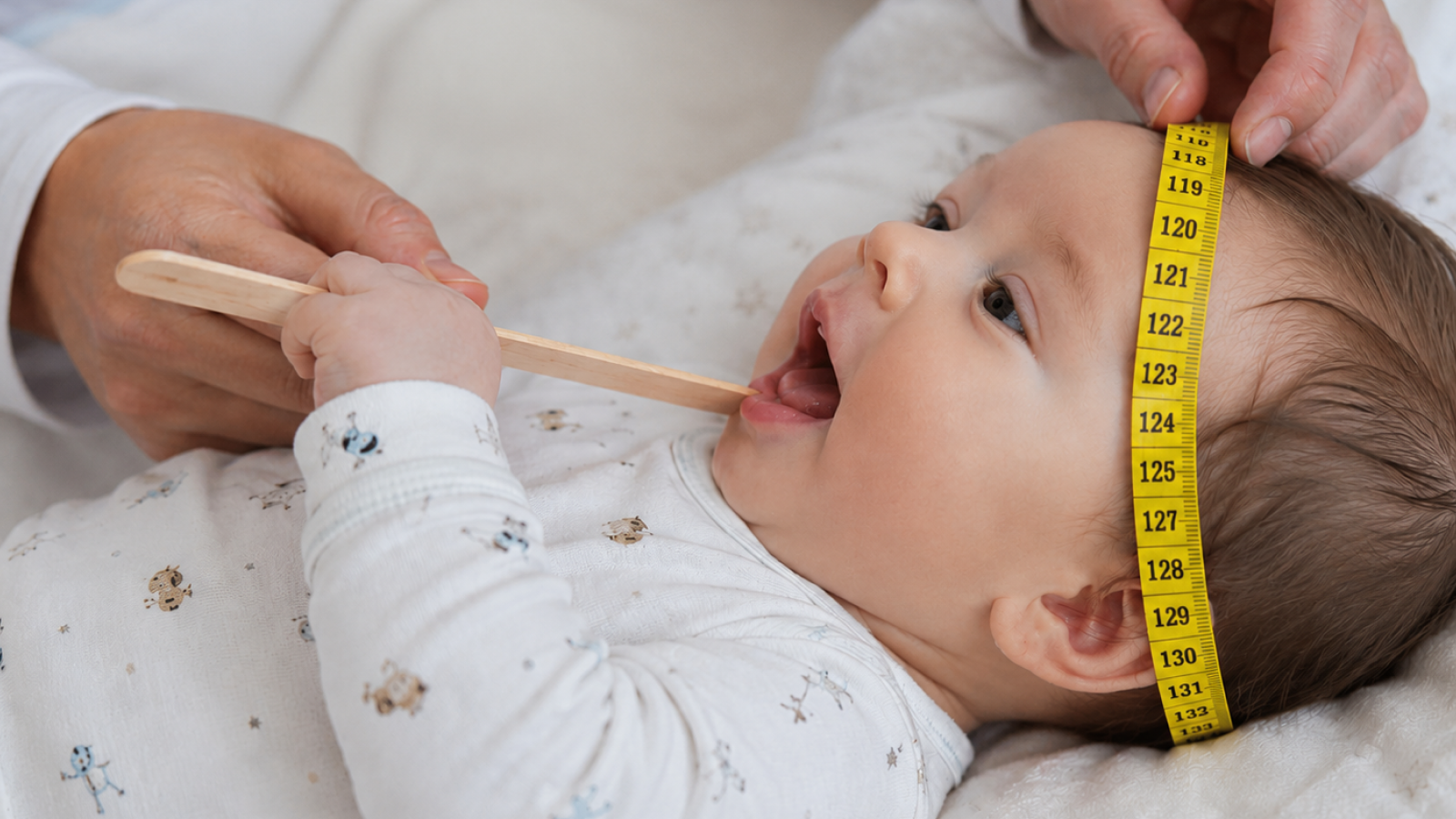
- Height, weight, and head circumference
- Heart, lungs, and abdomen
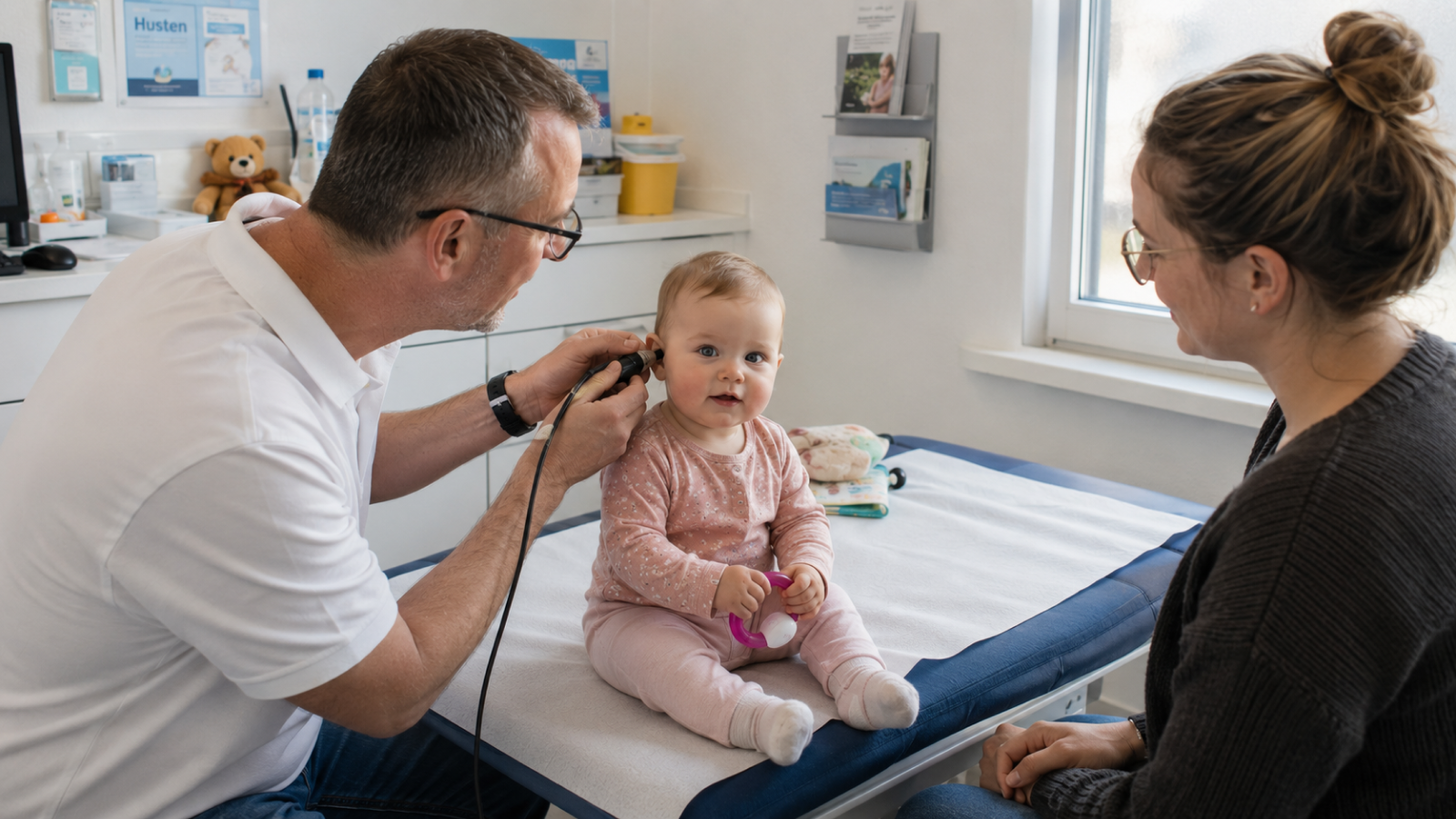
- Eyes and reactions to sounds
- Mouth, teeth, and jaw
- Walking pattern and movement coordination
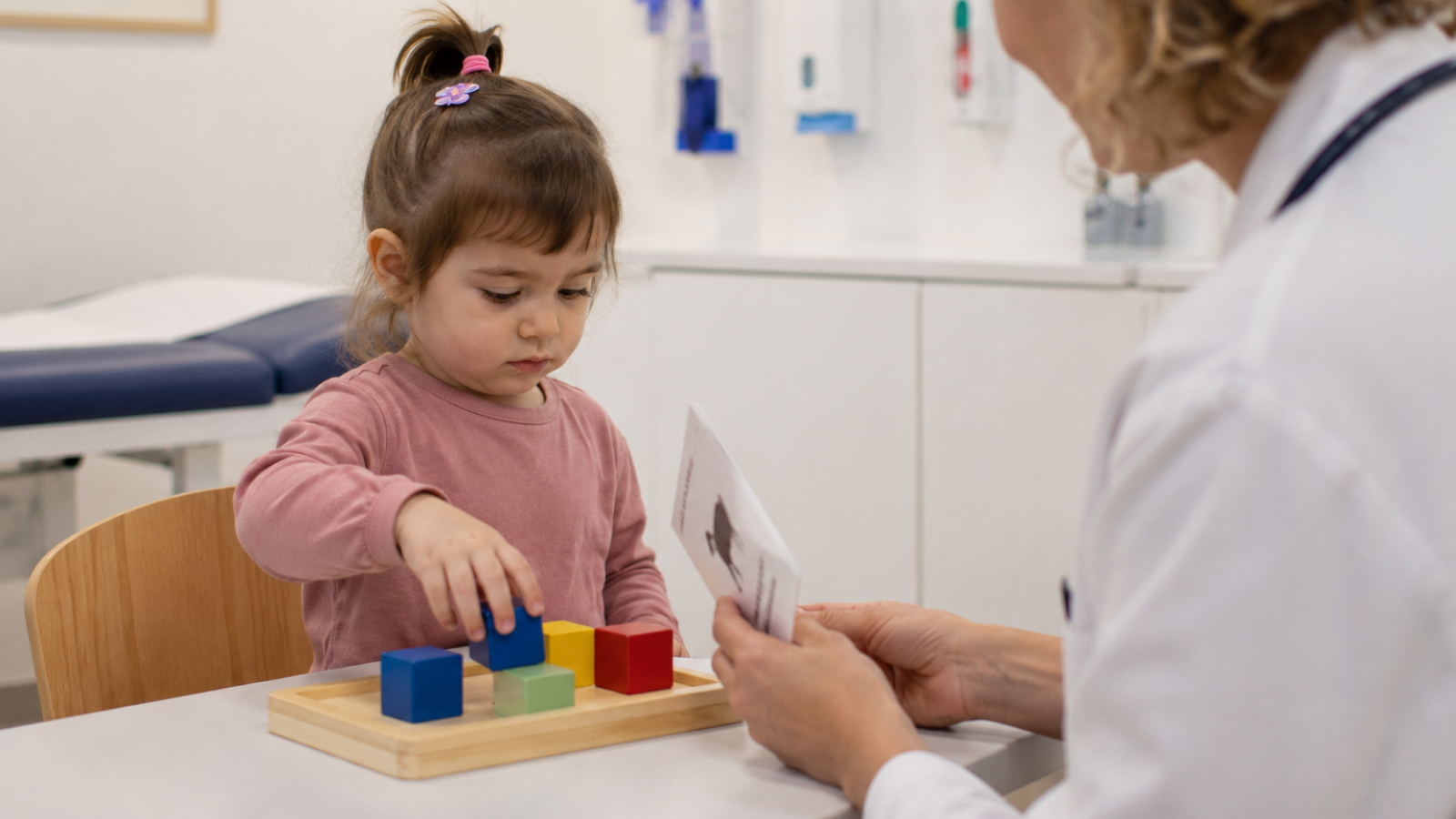
- Fine motor skills and play behavior
- Language comprehension and development
- Social interaction and independence
- Vaccination status
The focus is not on a single skill but on your child's overall development.
Is My Child Speaking Enough?
Some children at two years old already speak short two-word sentences like "more water" or "daddy car." Others use significantly fewer words and communicate mainly through gestures, sounds, and eye contact.
More important than the exact number of words is whether your child:
- Understands simple words and commands,
- Responds to their name,
- Points or indicates what they want,
- Uses eye contact and gestures,
- Imitates sounds or words,
- Enjoys interacting with others.
Clear pronunciation is not yet necessary. If your child hardly responds to language or communicates very little, you can mention this during the U7. Often, hearing ability will then be examined more closely.
How is Movement Developing?
Many children can already walk confidently by the U7, change direction, and climb onto low furniture or play equipment.
It's observed whether your child:
- Walks independently,
- Bends down and stands up again,
- Manages stairs with support,
- Pushes, throws, or kicks a ball,
- Uses both sides of the body similarly,
- Picks up small objects purposefully.
Walking backward, hopping, or confidently climbing stairs don't need to be mastered yet. What's important is that your child is developing new movements over time and actively exploring their environment.
Are Tantrums and Frequent "No" Normal?
Around the second birthday, many children enter the autonomy phase. Your child wants to make decisions and do many things independently but can't yet regulate frustration well.
Typical behaviors include:
- frequent "No"
- strong reactions to boundaries
- anger when things don't work out
- the desire to do everything independently
- quick shifts between independence and needing closeness
This development is not a sign of poor parenting. Clear routines, small choices, and calm guidance help your child gradually manage strong emotions.
Does my child need to be potty trained already?
No. Many children at two years old are not yet ready to reliably use the toilet or potty.
Early signs can include:
- interest in the toilet
- longer dry periods
- announcing when they need to pee or poop
- discomfort in a wet diaper
- the desire to pull down their pants themselves
Potty training cannot be forced. Pressure or shaming does not help. What matters is whether your child is physically and emotionally ready.
How do play and social behavior develop?
Many two-year-olds still play more alongside each other than with each other. They observe other children, imitate them, and start simple role-playing games.
Typical activities include:
- feeding a doll
- reenacting everyday situations with toy cars
- stacking blocks
- imitating animals or sounds
- showing interest in picture books
Disputes over toys are also common. Sharing and consideration develop gradually.
Which vaccinations are checked at the U7?
At the U7, the vaccination record is reviewed.
It's especially important to ensure that the vaccination series from infancy and early childhood are complete. Depending on the vaccination schedule, these include:
- Diphtheria, Tetanus, and Whooping Cough
- Polio
- Hib and Hepatitis B
- Pneumococcal
- Meningococcal B
- Measles, Mumps, and Rubella
- Chickenpox
Missing or delayed vaccinations can usually be caught up.
What should you bring to the U7?
Helpful items include:
- Yellow examination booklet
- Vaccination record
- Your child's health insurance card
- Relevant medical reports or letters
- Information from daycare, if applicable
- A list of questions and observations
Typical questions for the U7
You might discuss:
- Is my child's speech age-appropriate?
- Do they understand enough?
- Is their movement development appropriate?
- Are the tantrums still normal?
- Does my child need to be potty trained already?
- Are all vaccinations complete?