The U5 examination takes place in the 6th to 7th month of life. Your baby is becoming more mobile, reaching for objects, and showing increasing interest in their surroundings.
During the U5, your child's growth, movement, vision, hearing, and communication with others are assessed. The examination also covers topics like introducing solid foods, dental care, vaccinations, and ensuring a safe environment for your increasingly mobile baby.
U5 at a Glance
Timing: 6th to 7th month of life
Location: Your pediatrician's office
Focus Areas: Growth, motor skills, perception, communication, nutrition, and vaccination status
You can find the exact examination window in the Yellow Examination Booklet and in the tio App.
What is Checked During the U5?
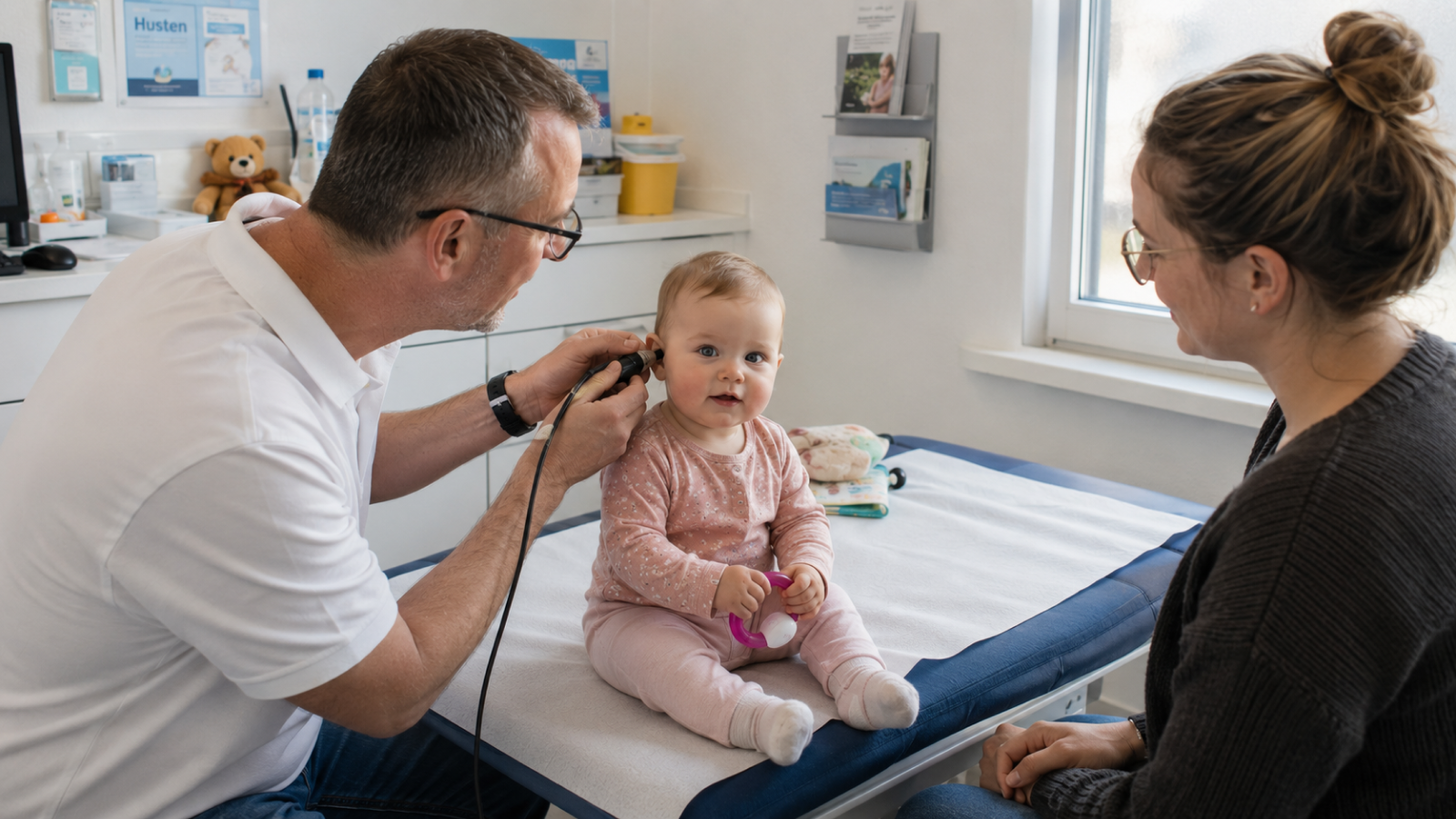
The pediatrician will thoroughly examine your baby and assess:
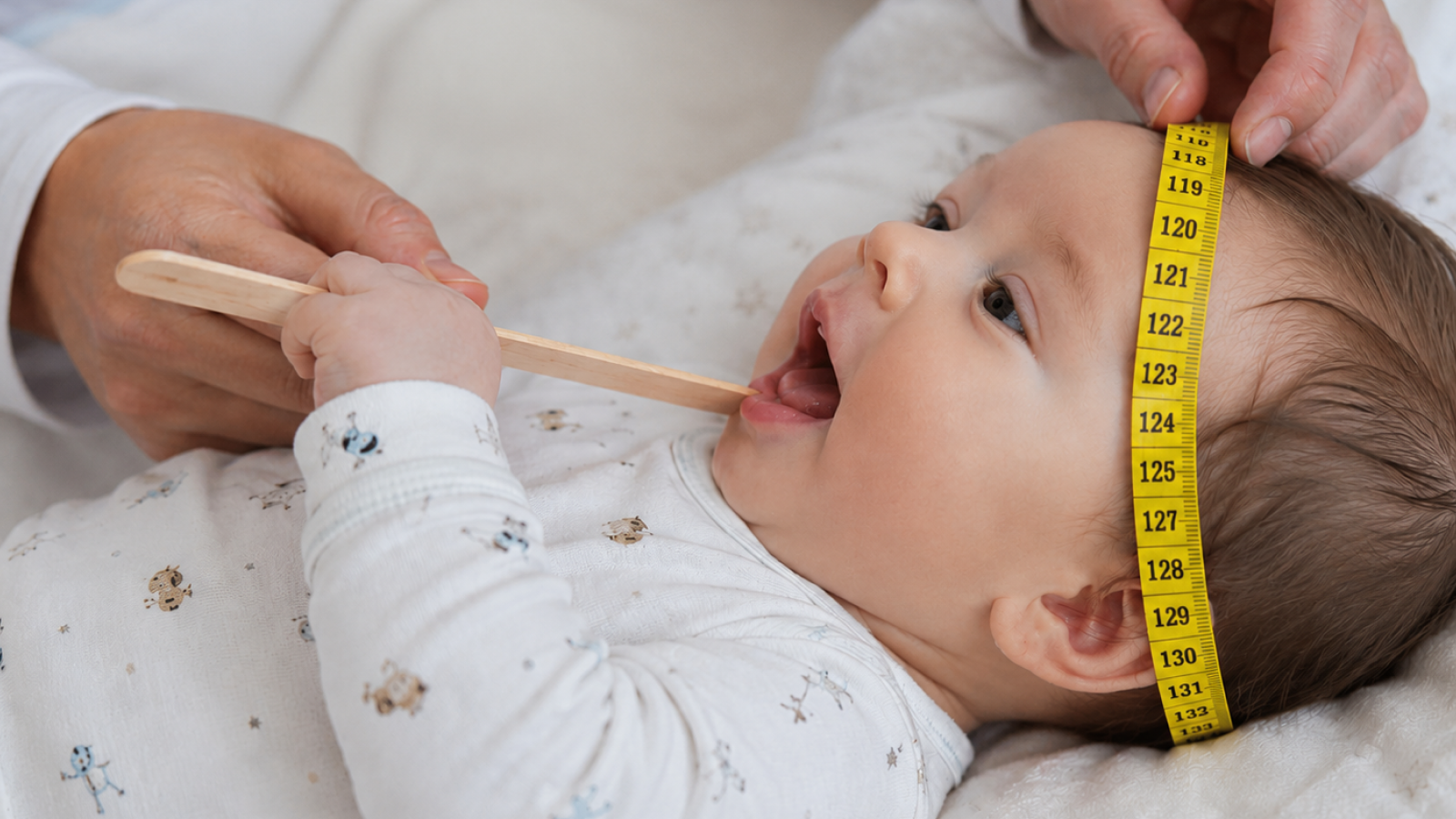
- Weight, length, and head circumference
- Heart, lungs, and abdomen
- Skin, head, and fontanelles
- Eyes and reactions to sounds
- Muscle tone and movement patterns
- Head control and support in the prone position
- Grasping and hand-to-mouth coordination
- Social interaction, facial expressions, and sound production
The focus is on your baby's overall development rather than any single skill.
Does My Baby Need to Sit or Roll Over Yet?
No. At the U5, your baby does not need to sit independently or master every rolling movement.
Many babies at this age can:
- Hold their head steady,
- Support themselves in the prone position,
- Reach for objects intentionally,
- Transfer toys from one hand to the other,
- Roll to the side or onto their stomach.
Some children take a bit longer to reach these milestones. The key is that your baby appears active, uses both sides of their body, and continues to develop new skills over time.
Avoid sitting your baby up for extended periods until they can control this position independently. Plenty of free movement on the floor best supports motor development.
How Are Vision, Hearing, and Communication Tested?
During the U5, it is observed whether your baby:
- Follows faces and objects with their eyes,
- Responds to voices and sounds,
- Recognizes familiar people,
- Makes eye contact,
- Smiles, coos, or forms early syllables.
Many babies now experiment with sounds like "ba," "ma," or "da." These syllables are usually not yet consciously used words.
You can support development by talking to your baby often, responding to their sounds, and looking at simple picture books together.
What Vaccinations Are Due Around the U5?
During the U5, the vaccination record is checked. Depending on the vaccination history, catch-up vaccinations may be administered, or further appointments may be scheduled.
In infancy, vaccinations are scheduled for the following diseases:
- Diphtheria
- Tetanus
- Whooping cough
- Polio
- Haemophilus influenzae type b
- Hepatitis B
- Pneumococci
- Meningococci B
- Rotaviruses
Which specific vaccination is due depends on your baby's age and the doses already received.
There are specific age limits for the rotavirus vaccination. Therefore, during the U5 examination, it should be checked whether the vaccination series has been completed.
How is it going with solid foods?
At the age of the U5, some babies have already started with solid foods, while others are about to.
Signs of readiness for solid foods can include:
- Good head control
- Sitting upright with support
- Interest in food
- Food is not immediately pushed out with the tongue
- Pureed or soft food can be swallowed safely
Initially, it's not about large portions. Your baby is learning new tastes, textures, and movements.
Breast milk or infant formula remains important even after starting solid foods. Eating should not be forced—your baby's hunger and fullness cues set the pace.
What about the first teeth?
The first tooth appears for many babies in the second half of their first year. Some children teethe earlier, others later.
Once the first tooth is visible, daily dental care begins. There are coordinated options for fluoride intake with fluoride tablets or fluoride-containing children's toothpaste.
Discuss with your pediatrician or dentist which option to use. Fluoride tablets and fluoride toothpaste should not be used simultaneously without coordination.
Movement and accident prevention
Your baby may suddenly roll over or move in other ways—even if they haven't shown this before.
Now especially important:
- Never leave your baby alone on a changing table, sofa, or bed
- Remove small objects from reach
- Securely store medications and cleaning products
- Keep hot drinks away
- Always stay with your baby during meals
- Secure stairs and electrical outlets in time
Plenty of free movement on a firm surface is the best support. Special sitting or walking training is not necessary.
What should you bring to the U5?
Helpful items include:
- Yellow examination booklet
- Vaccination card
- Your child's health insurance card
- Relevant medical findings or letters
- Diapers and a change of clothes
- Food or a bottle, if needed
- A list of questions and observations
Note down beforehand what you've noticed about movement, solid foods, sleep, teething, or communication.
Typical questions for the U5
You might want to discuss:
Is my baby developing motor skills appropriately?
Should my baby already be able to sit or roll over?
Is now the right time to start solid foods?
Which vaccinations are still needed?
How do we care for the first tooth?
How can we make our home safe for children?
Is the sleep pattern at this age still normal?