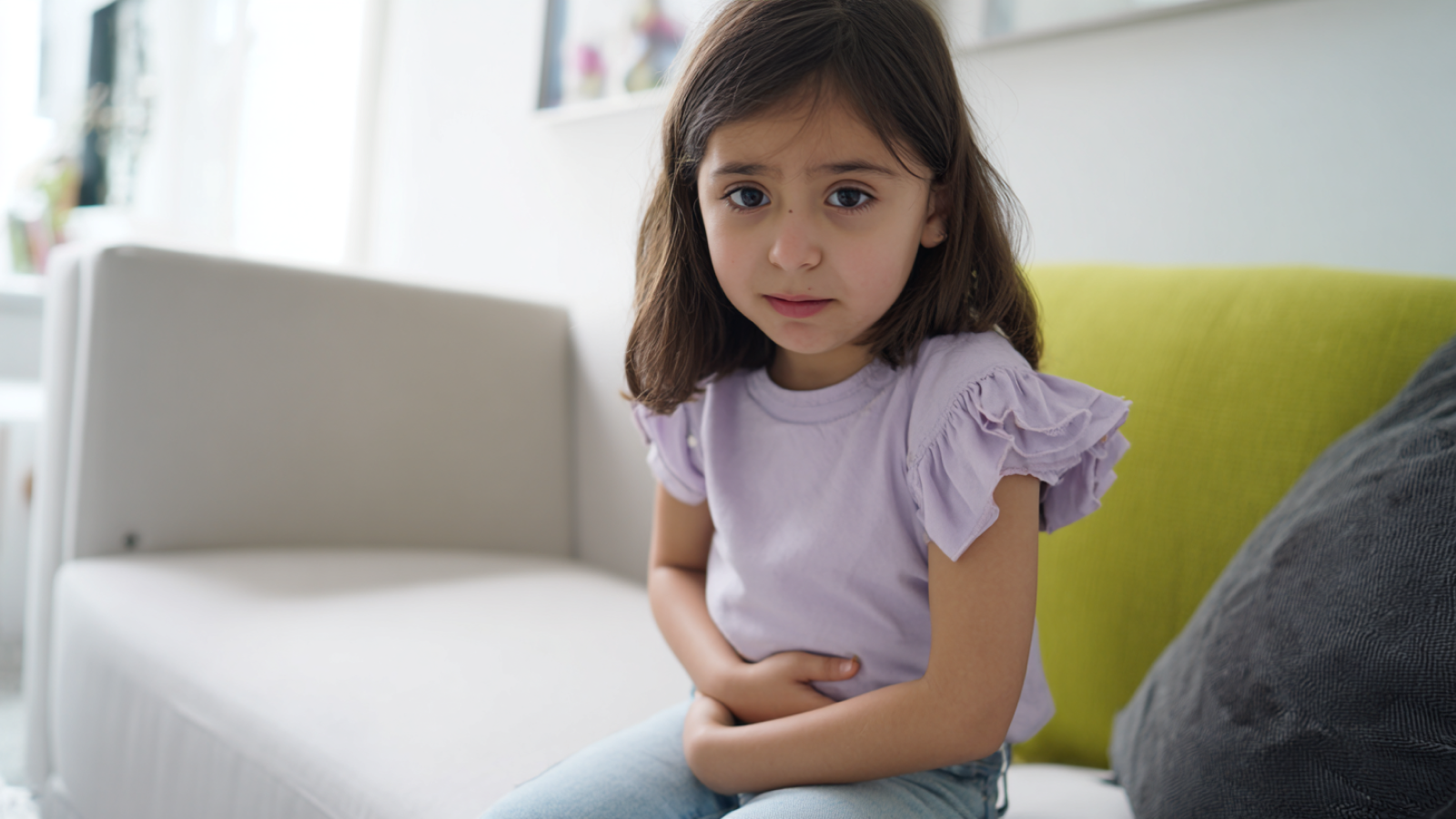
When a child suddenly vomits or has diarrhea, many parents quickly become concerned. Does my child need to see a doctor? How long is this still normal? And how can I tell if they're not getting enough fluids?
The most important reassurance first: Most stomach and intestinal infections in children are caused by viruses and usually resolve on their own within a few days. What matters most is not how often your child vomits or has diarrhea, but whether they can drink enough and how their overall condition is.
What often causes diarrhea and vomiting?
Acute diarrhea and vomiting in children are usually triggered by a stomach and intestinal infection. Additional symptoms often include:
- watery diarrhea
- repeated vomiting
- stomach pain or cramps
- mild to high fever
- loss of appetite
- tiredness or increased need for sleep
Many children feel noticeably ill for one to two days and then recover.
How can you recognize dehydration?
The biggest risk factor with diarrhea and vomiting is not the infection itself, but that children lose too much fluid.
Pay special attention to the following warning signs:
- your child drinks significantly less or refuses fluids
- dry mouth or dry lips
- few or dry diapers or significantly less frequent urination
- sunken eyes
- unusual tiredness or lethargy
- crying without tears
- cool hands or feet
The younger a child is, the faster dehydration can develop.
What is often still normal with a stomach and intestinal infection?
Even if it looks distressing, some symptoms are often part of an uncomplicated course:
- several episodes of vomiting within a few hours
- frequent watery diarrhea
- little appetite
- tiredness
- stomach pain
- fever
- feeling unwell for a few days
Many children hardly want to eat during this time. This is usually not a problem. It's much more important that they drink enough.
When should you contact the pediatrician?
A medical assessment is advisable if your child:
- is younger than six months
- can hardly drink or vomits everything immediately
- shows clear signs of dehydration
- has blood in their stool or vomit
- has severe or persistent stomach pain
- develops high or prolonged fever
- appears very weak, apathetic, or difficult to wake
- the diarrhea or vomiting lasts several days or worsens
When is immediate medical help necessary?
Call emergency services or seek immediate medical help if your child:
hardly responds or appears unconscious
develops severe breathing problems
repeatedly vomits green (bile)
has severe abdominal pain with a hard stomach
shows clear signs of severe dehydration and drinks very little
How to Help Your Child at Home
For an uncomplicated stomach and intestinal infection, simple measures often help.
Drink Small Amounts
Offer small sips frequently rather than large amounts at once. This is often better tolerated.
Eat When Hungry
Once your child wants to eat again, they can slowly start eating normal, easily digestible foods. A special "bland diet" is usually not necessary.
Provide Rest
A stomach and intestinal infection is exhausting. Plenty of sleep, cuddling, and rest support recovery.
Maintain Hygiene
Thorough handwashing helps protect other family members from infection.
Helpful Observations for the Pediatrician
If you need medical advice, these details can be useful:
- When did diarrhea or vomiting start?
- How often has your child vomited?
- How often has your child had diarrhea?
- Can your child drink?
- When did they last urinate?
- Do they have a fever?
- Is there blood in the stool or vomit?
- Does your child seem more alert at times or are they becoming increasingly lethargic?
The progression often provides more important clues than individual symptoms.