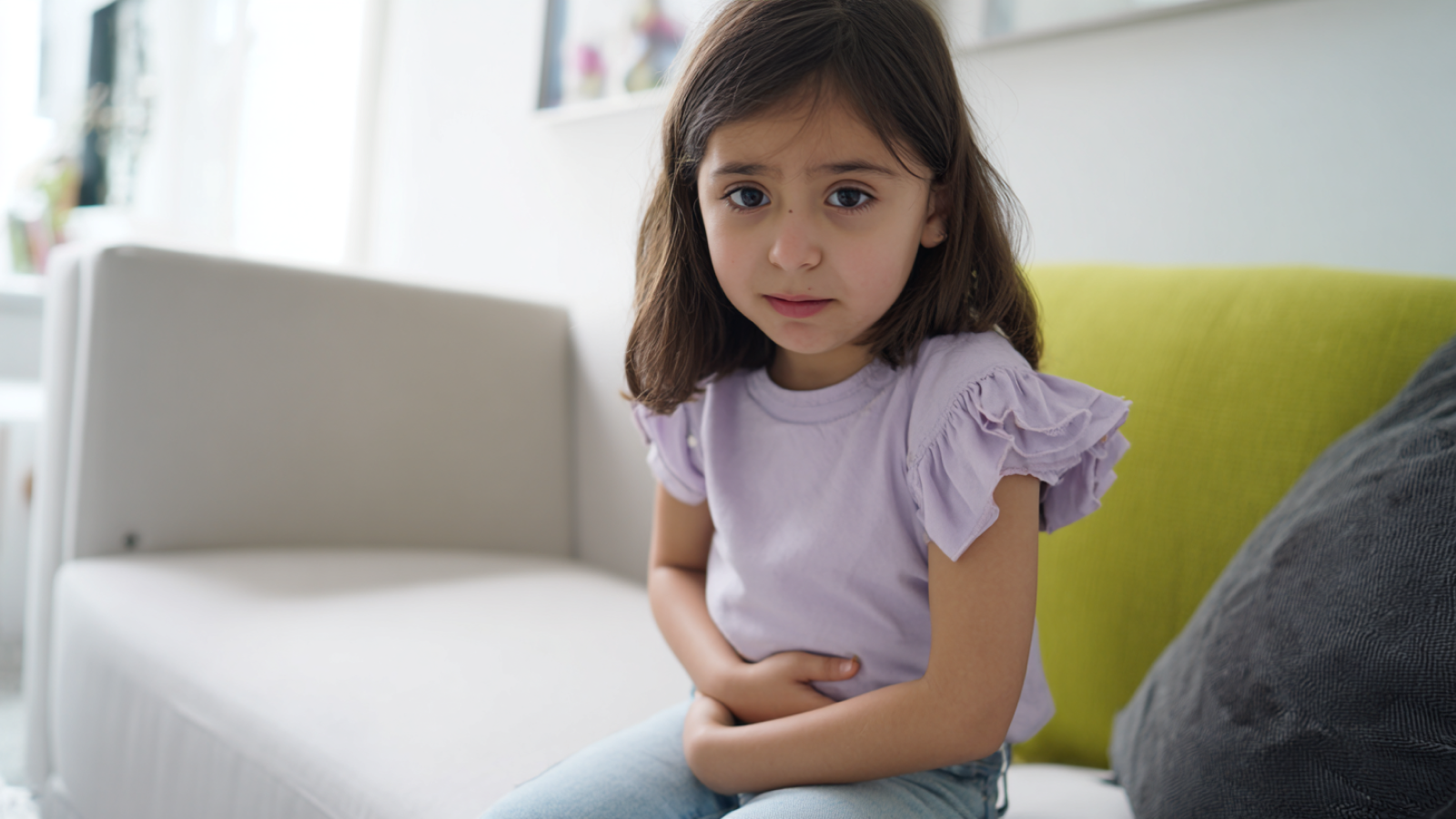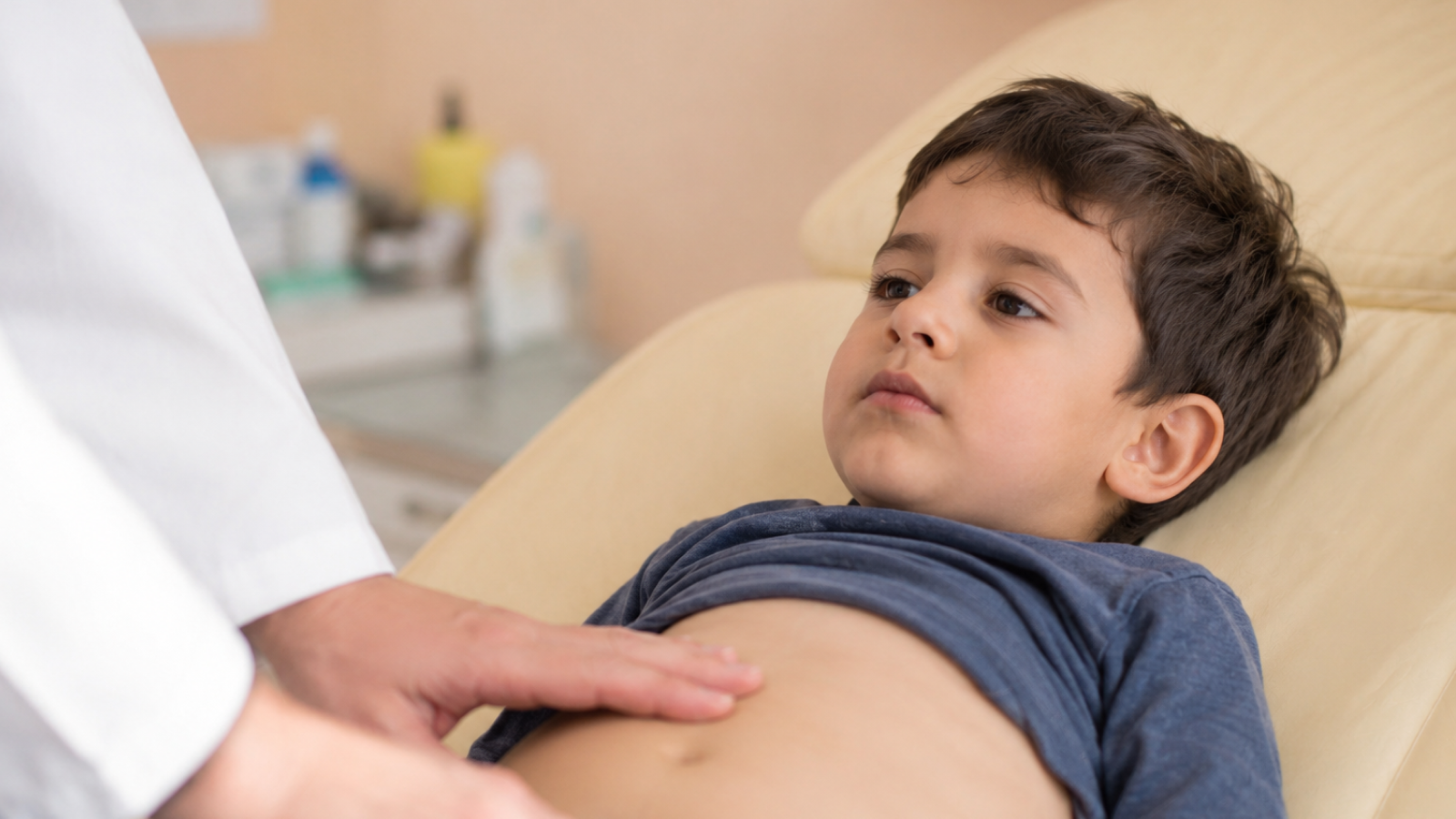
Does your child rarely have bowel movements, strain for a long time, or cry during them? Maybe they visibly hold back their stool or suddenly have small amounts of stool in their underwear again. Such symptoms in children are often due to constipation.
It's not just about how often your child goes to the toilet. Hard, painful stools, significant withholding, or very large stools can also indicate constipation. Usually, there is no underlying physical illness. Often, a cycle of pain, fear, and further withholding develops.
How to Recognize Constipation in Your Child
The frequency of bowel movements varies from child to child. Constipation isn't automatically present if your child doesn't have a bowel movement for a day.
Typical signs include:
- Infrequent, hard, or very large stools
- Pain, crying, or significant straining
- Small tears or a bit of bright red blood around the anus
- Stomach pain or a bloated belly
- Reduced appetite
- Visible withholding, such as crossing legs
- Hiding or standing stiffly when needing to go
- Small stool marks in underwear despite seemingly infrequent bowel movements
Frequent "soiling" can also result from constipation: looser stool passes around a hard stool mass. This usually happens involuntarily and shouldn't be seen as intentional or due to lack of cleanliness.
How Constipation Often Develops
For most children, constipation is functional. This means there is no identifiable organic disease, but rather several factors interacting.
A typical cycle starts with a hard or painful bowel movement. The child tries to hold back the stool next time. The longer it stays in the intestine, the more water is absorbed, making it harder. The next toilet visit hurts again, and fear increases.
Possible triggers include:
- Painful bowel movements in the past
- Potty training or toilet training
- Unfamiliar or uncomfortable toilets
- Starting daycare, traveling, or changes in daily routine
- Temporary dietary changes
- Limited opportunities to respond to the urge to go in peace
- Certain medications
Constipation is rarely a matter of disobedience. Many children hold back stool to avoid pain or loss of control.
What Can Help Your Child in Daily Life
For mild, recently developed symptoms, some changes can support bowel function.
Offer Regular Toilet Times
Encourage your child to use the toilet or potty calmly after meals. Bowel movements are often particularly active at these times.
Important:
- No pressure
- Just a few relaxed minutes
- A secure seat
- Plenty of time and privacy
A footstool can help if your child's feet don't reach the floor when sitting on the toilet. This stable position makes it easier to relax and push.
Don't Delay the Urge to Go
Encourage your child to use the toilet as soon as they feel the urge. Avoid pressure or repeated reminders. A calm, predictable routine is more helpful.
Eat a Balanced Diet and Drink Regularly
Fruits, vegetables, legumes, and whole grains provide fiber. These can help make stools softer and bulkier. Increase fiber-rich foods gradually, as a quick change can cause bloating.
Offer your child water or unsweetened drinks regularly. However, drinking more alone often doesn't resolve severe constipation.
Incorporate Movement into Daily Life
Playing, running, climbing, and other activities support an active lifestyle. Your child doesn't need a special exercise program for this.
Handle Accidents Calmly
Stool marks in underwear are often not controllable with constipation. Scolding, shaming, or punishing increases pressure and can worsen withholding.
Why Home Remedies Sometimes Aren't Enough
If a lot of hard stool has already built up in the intestines, diet, exercise, and toilet routines are often not enough. A targeted treatment may be necessary to first loosen the stool and then keep it soft long-term.
Macrogol is often used for children in this case. Dosage and duration should be coordinated with your pediatrician. Treatment may be necessary for several weeks or months because the stretched intestine and normal body sensation need time to stabilize. Stopping too early can lead to relapses.
Do not give your child laxatives, enemas, or suppositories on your own. Not every preparation is suitable for every age or situation.
When to Contact Your Pediatrician
Seek medical advice if:
- Bowel movements are repeatedly painful or very hard
- Your child is noticeably holding back stool
- Symptoms persist or keep recurring
- Stool regularly leaks into underwear
- Blood is visible on the stool or around the anus
- Your child eats poorly or frequently has stomach pain
- Everyday remedies don't bring noticeable improvement
- Your child needs medication that can cause constipation
The sooner a painful cycle is interrupted, the easier it often is to prevent symptoms from becoming chronic over months.
When to Seek Medical Help Quickly
Seek medical help promptly if your child:
- has severe or increasing abdominal pain
- is vomiting repeatedly
- develops a noticeably bloated, hard belly
- appears very weak or ill at the same time
- has a fever along with severe abdominal discomfort
- shows large amounts of blood in the stool
- can hardly pass stool or gas
Constipation that has been present since early infancy, is associated with poor growth, or is accompanied by neurological symptoms should also be examined more closely. Organic causes are rare but must be ruled out with such warning signs.
Supporting Constipation Early and Gently
Constipation in children often arises from a cycle of hard stools, pain, and withholding. A calm toilet routine, a comfortable sitting position, and a relaxed approach can help—but for persistent issues, this alone is often not enough.
Talk to your pediatrician early if bowel movements are regularly painful or if your child visibly holds back. Appropriate treatment can keep stools soft and help your child regain confidence in their own body.