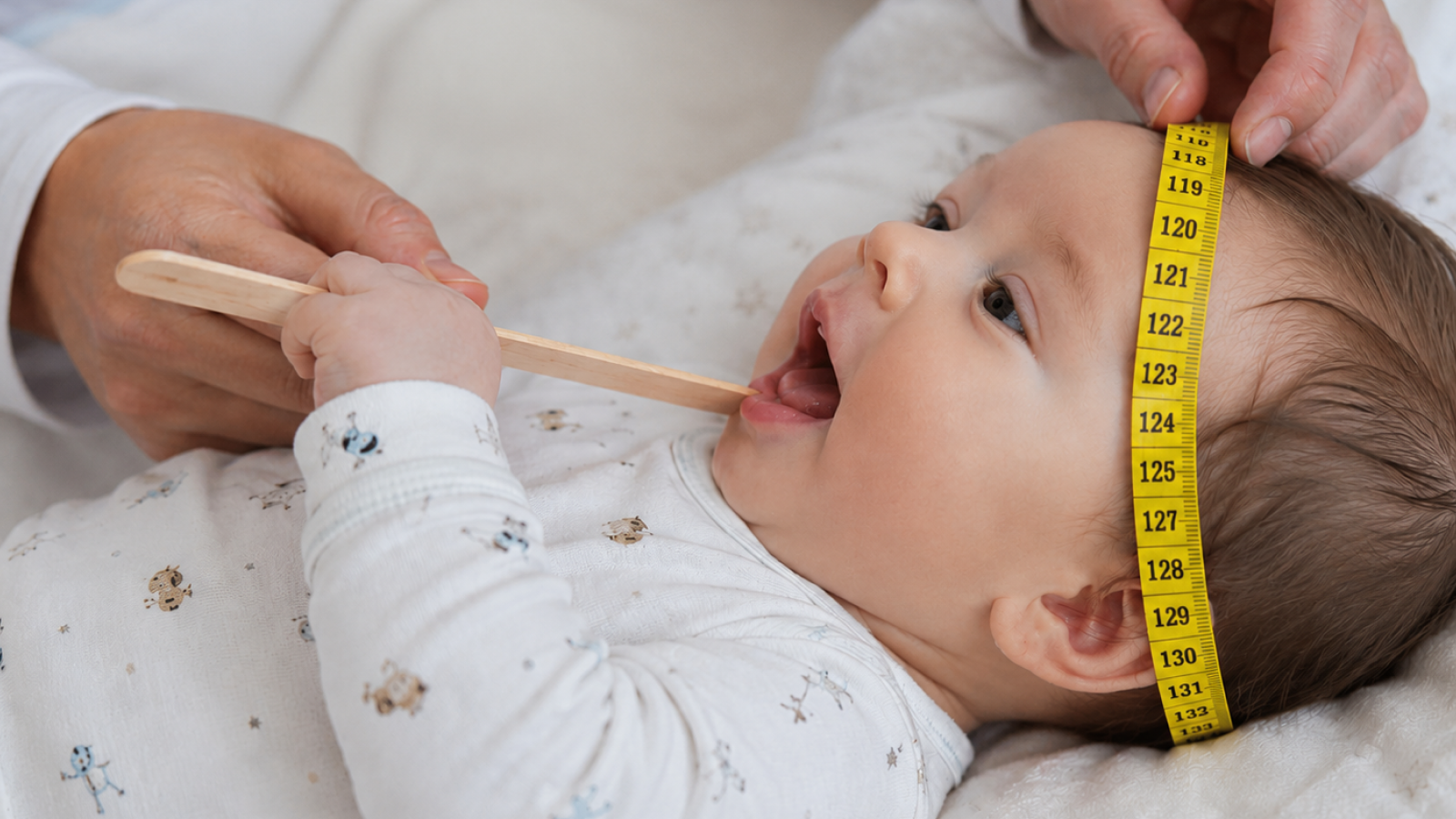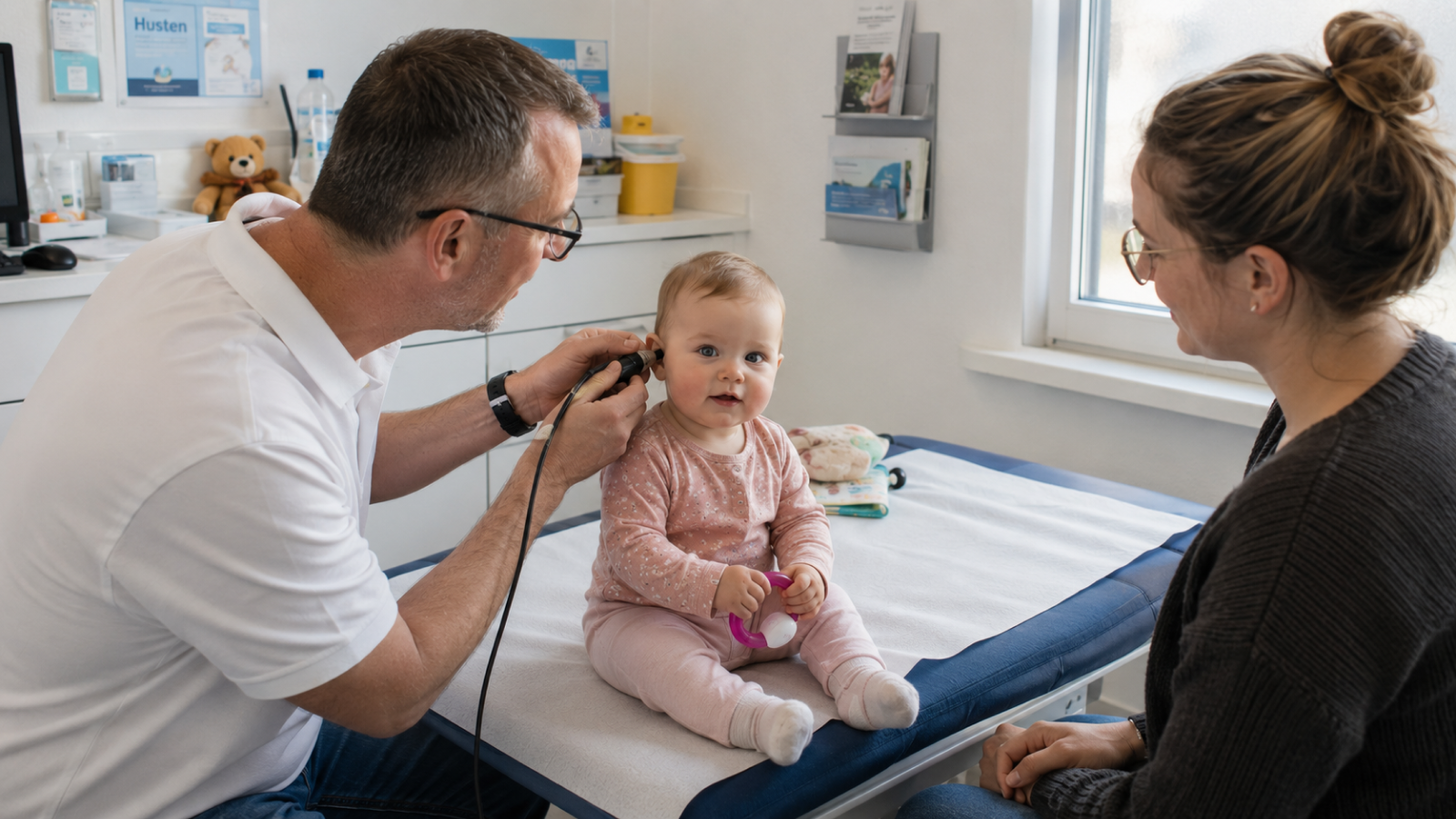
The U9 examination takes place between the 60th and 64th month of life and is the last preventive check-up before starting school. Your child has developed rapidly over the past few years and is now facing a new phase in life.
During the U9, the focus is on how your child has developed physically, linguistically, motorically, and socially. It also covers concentration, independence, vaccinations, and questions about starting school.
U9 at a Glance
Timing: 60th to 64th month
Location: Your pediatrician's office
Focus Areas: Development, school readiness, language, motor skills, vision and hearing, and vaccination status
You can find the exact examination window in the Yellow Examination Booklet and in the tio App.
What is Examined in the U9?
The pediatrician will assess, among other things:
- Height, weight, and general health
- Heart, lungs, and abdomen
- Vision and hearing
- Motor skills and coordination
- Language and comprehension
- Concentration and memory
- Social behavior and independence
- Dental status
- Vaccination status
Your child's development is always viewed as a whole, not based on individual skills.
Is My Child Ready for School?
This question concerns many parents.
School readiness doesn't mean your child must already be able to read, write, or do math. More important is whether they can:
- concentrate for a period,
- understand and carry out simple tasks,
- collaborate with other children,
- handle small setbacks,
- increasingly organize themselves,
- enjoy learning new things.
Every child develops differently. The U9 helps assess whether your child is well-prepared for starting school or needs support in certain areas.
How Do Language and Thinking Develop?
Many children can now:
- speak in complete sentences,
- recount experiences in the correct order,
- ask and answer questions,
- name colors and shapes,
- compare simple quantities,
- explain connections.
Small uncertainties or individual speech errors are still often normal. What matters is whether your child can communicate clearly and follow conversations well.
Movement and Independence
In the preschool age, many movements become more secure and coordinated.
Children can often now:
- balance and hop confidently,
- use scissors and pencils,
- draw simple pictures or figures,
- dress and undress themselves,
- complete small tasks independently.
The U9 looks at how confidently your child can use these skills in everyday life.
Which Vaccinations Are Due?
During the U9, the vaccination record is checked.
If vaccinations are still missing or booster shots are recommended, they can be planned or caught up. Complete vaccination protection safeguards your child and helps prevent the spread of serious infectious diseases.
What should you bring to the U9 examination?
It's helpful to have:
- Yellow examination booklet
- Vaccination card
- Your child's health insurance card
- Relevant medical findings or doctor's letters
- Any documents from kindergarten or preschool
- A list of questions and observations
Typical questions for the U9
You might want to discuss:
- Is my child ready for school enrollment?
- Are language and concentration developing appropriately for their age?
- Does my child have good hearing and vision?
- Is their motor development on track?
- Are all vaccinations up to date?
- Does my child need any support before starting school?
What happens after the U9?
With the U9, the statutory early detection program in preschool age concludes.
After school enrollment, school medical examinations take place depending on the federal state. Even after that, regular pediatric check-ups and recommended vaccinations remain important.