The U1 examination is your baby's first preventive check-up. It takes place immediately after birth, usually in the delivery room or birthing area. The medical team checks how well your baby is adjusting to life outside the womb and whether any immediate support is needed.
The focus is primarily on breathing, heartbeat, skin color, muscle tone, and reactions. The examination is brief and designed to minimize interruptions to your first contact with your baby.
U1 at a Glance
Timing: Immediately after birth
Location: Delivery room, birthing area, or operating room
Conducted by: Midwife, obstetrician, or pediatrician
Focus: Assessing post-birth adaptation and early detection of any issues requiring treatment
The U1 is part of the statutory early detection program from U1 to U9. This program includes ten examinations in total, as the U7a takes place between U7 and U8.
What is Checked During the U1?
Right after birth, it is observed whether your baby is breathing independently, has a stable circulation, and is adapting well to the new environment.
The following are checked:
- Breathing and heartbeat
- Skin color and circulation
- Muscle tone and movements
- Reaction to touch and other stimuli
- Body temperature
- Any visible birth injuries or abnormalities
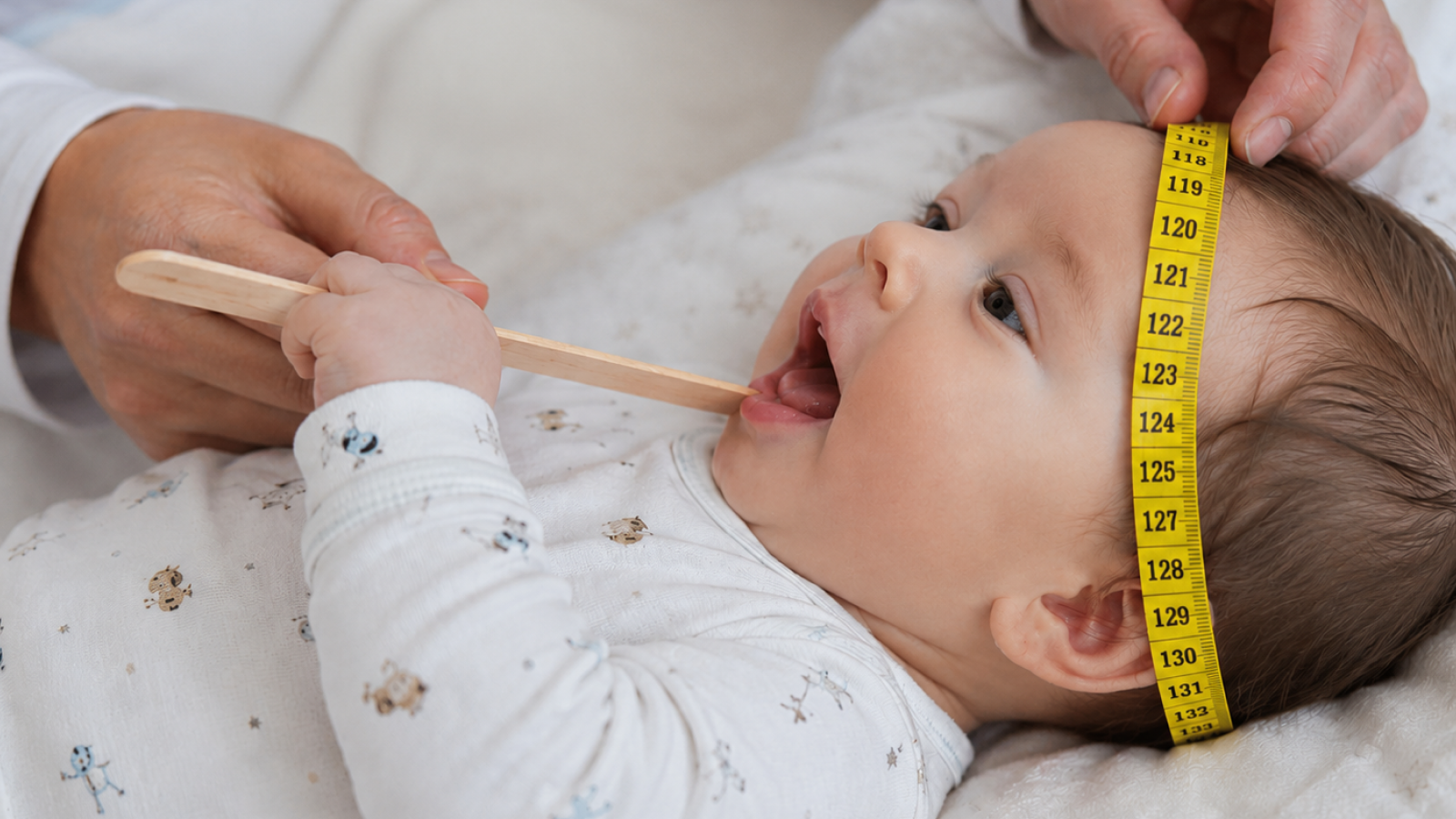
Additionally, the time of birth, weight, body length, and head circumference are documented. Depending on your baby's condition, further examinations or supportive measures may be taken.
Most newborns do not require special treatment after birth. Minor adjustment difficulties can occur but are quickly identified and addressed.
What Does the Apgar Score Mean?
Immediately after birth, your baby's condition is assessed using the Apgar Score. This evaluation is typically done at one, five, and ten minutes after birth.
Five criteria are assessed:
- Appearance (breathing)
- Pulse
- Grimace response (muscle tone)
- Appearance (skin color)
- Reflex response
Each criterion is scored from zero to two points, with a maximum total of ten points.
The Apgar score is not a long-term developmental prognosis. It mainly indicates how well your baby is adapting in the first minutes after birth and whether support is needed.
A low initial score can improve significantly within a few minutes.
Will My Baby Stay with Me During the U1?
If your baby is doing well, much of the initial assessment can often be done right with you or nearby. Skin contact and the first bonding moments are prioritized to be as undisturbed as possible.
Only if your child needs support with breathing, circulation, or temperature regulation, they may be briefly examined and treated at a separate care station.
The team usually explains what is happening and why a measure is necessary.
Why does my baby receive Vitamin K?
Newborns initially have low Vitamin K levels. Vitamin K is important for blood clotting. To prevent rare but serious Vitamin K deficiency bleeding, a first dose is usually offered in Germany during the U1 examination.
Further Vitamin K doses typically follow during the U2 and U3 examinations. In Germany, this prophylaxis is often administered as three oral doses.
The medical team will inform you about the administration and document it in the Yellow Booklet.
How can I tell if my baby is adjusting well?
Typical signs of good adjustment include:
- regular, independent breathing
- a stable heartbeat
- active movements
- good muscle tone
- responses to touch
- increasingly rosy skin
- initial rooting and sucking movements
Not every baby cries loudly right away. The key is whether they are breathing regularly and have stable circulation.
Bluish hands and feet can occur in the first few minutes as circulation adjusts. However, if your baby appears overall blue, very pale, limp, or is not breathing adequately, the medical team will respond immediately.
Do I need to prepare for the U1?
You don't need to organize or bring anything for the U1. The examination is a standard part of post-birth care.
It can be helpful to discuss with your midwife, birth center, or clinic before birth:
- how the initial care after birth will proceed
- whether the U1 can take place during skin-to-skin contact
- how Vitamin K will be handled
- when and where the U2 will be conducted
- which newborn screenings are offered
This way, you know the procedures and can address any questions before birth.
When do the first vaccinations begin?
Your baby does not receive regular standard vaccinations at the U1.
The rotavirus vaccination can start at six weeks of age. Other infant vaccinations usually begin after the second month. The U3 often includes a detailed discussion about the vaccination schedule and upcoming appointments.
You can note down questions and bring them up at the next appointment.