When a child has a fever, many parents immediately wonder: Should I keep monitoring or go straight to the doctor? Especially at night, when the thermometer suddenly reads 39°C, fever can quickly seem alarming.
To reassure you: Fever is not a bad thing. It indicates that the body is working. The immune system is ramping up to fight an infection. The problem isn't the fever itself—it's whether your child is handling the infection well or if something suggests a more serious situation.
How to Properly Assess Fever in Children
Three things are crucial:
- your child's age
- your child's overall condition
- how the fever is progressing
Temperature alone rarely suffices to assess the situation. One child with 39.8°C might be alert, drinking, and playing intermittently. Another might seem very ill at just 38.5°C. Therefore, the number is only helpful when considered with the overall picture.
Important to know:
- For babies under 3 months, a fever is considered from 38.0°C—this should always be checked by a doctor.
- From 3 months, fever is generally considered from 38.5°C.
- High fever in older babies and children is not automatically dangerous. More important is how your child appears and whether the fever decreases or persists for days.
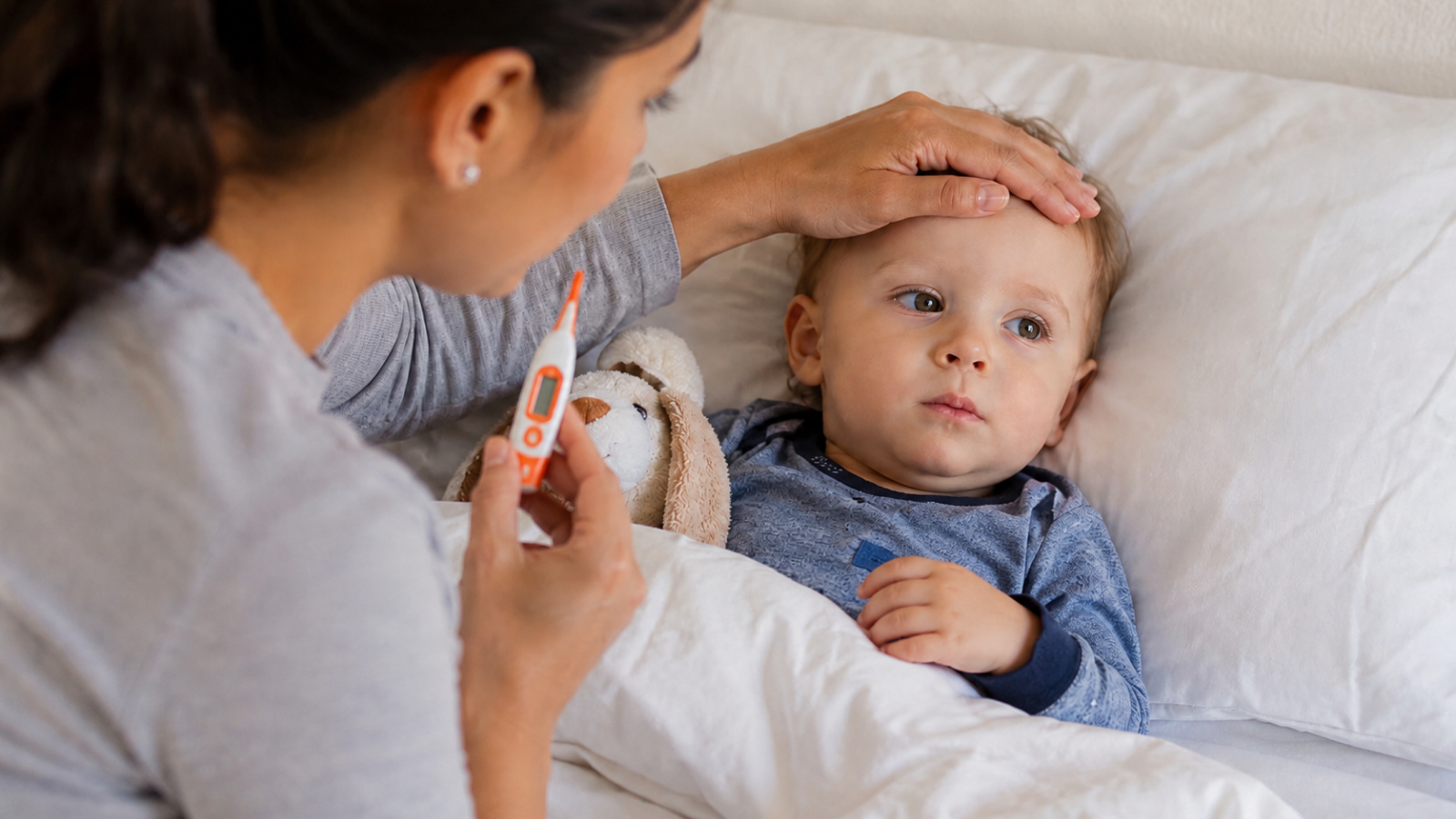
The most reliable way to measure in young children is rectally. Ear measurements can also work well if done correctly. Forehead or underarm measurements are often less accurate.
It's Not Just About the Number
39.5°C can sound alarming. But for children over 3 months, the height of the fever alone is usually not the critical point. More important are these questions:
- Is your child still drinking?
- Is your child responsive?
- Does your child become more alert between fever spikes?
- Is your child breathing normally?
- Does the fever fit a typical infection pattern, or is it unusually prolonged?
A child can be sick with a fever. They can be tired, clingier, less energetic, have less appetite, and sleep more. What matters is whether they have stable phases in between—or if you notice their condition worsening.
What is Often Normal with Fever
Many children appear significantly different with a fever, without it necessarily being threatening. Commonly:
- your child is tired, whiny, or clingier
- they eat less
- they want to sleep more
- they tire more quickly during play
- their temperature rises more in the evening than during the day
- they seem more alert between fever episodes
All of this can be part of a normal infection.
When Fever Should Be Checked by a Doctor
Fever should be checked by a doctor if any of these points apply:
1. Your child is very young
Babies under 3 months should always see a doctor if they have a fever of 38.0 °C or higher.
2. Your child is drinking poorly or not at all
Fever can dehydrate children quickly. If your child is reluctant to drink, has a dry mouth, isn't urinating, or the diaper stays dry, this is a warning sign.
3. Your child seems unusually lethargic
This means not just tiredness, but rather: your child is barely responsive, hard to wake, apathetic, or noticeably different.
4. Breathing is difficult
If your child is breathing rapidly, with effort, or unusually shallow, if the nostrils are flaring, or you notice: Breathing doesn't look normal, it should be checked by a doctor.
5. The fever persists or the course is unusual
Especially with infections, fever can be high for 1–2 days. However, if it lasts several days, spikes repeatedly, or your child isn't recovering, it needs medical evaluation.
6. Additional concerning symptoms appear
For example:
- severe pain
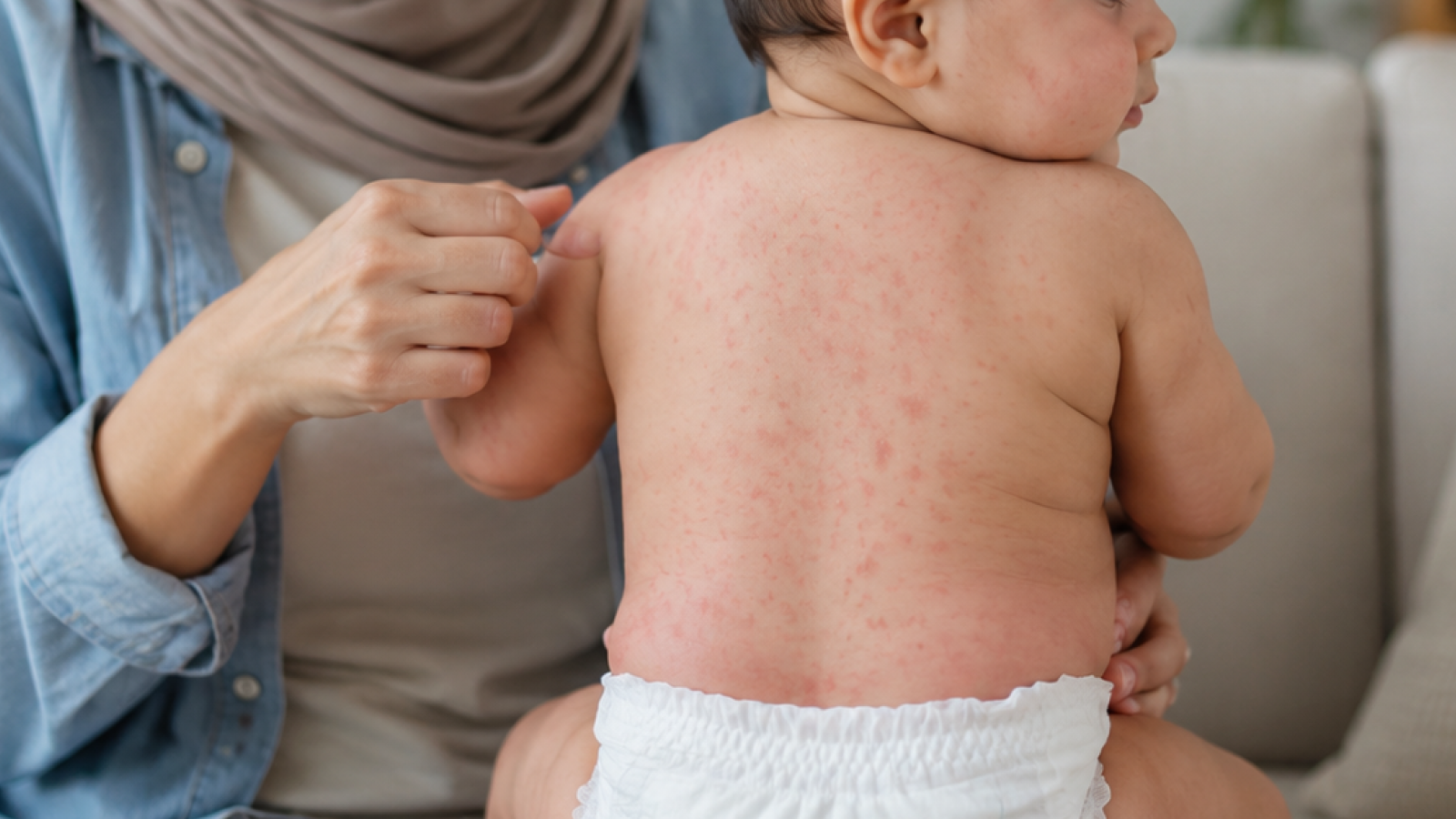
- unusual rash
- repeated vomiting
- seizure
- significant deterioration in a short time
In short: It's not just the number that matters, but the combination of age, drinking behavior, breathing, overall condition, and course.
What about 39 or 40 degrees?
Yes, 39 or 40 °C can occur in children during a normal infection. High numbers aren't automatically dangerous. If your child is older than 3 months, still drinking, responsive, and shows no warning signs, the situation is often less serious than the thermometer suggests.
What's important is not just how high the fever was once, but how your child develops over hours and days:
- Are there times when they are more alert?
- Are they still drinking?
- Are new symptoms appearing?
- Does day 4 still look the same as day 1?
This perspective over time is often more telling than a single measurement.
Febrile seizure: important to know
A febrile seizure isn't just about "too high a fever," but more about how quickly the temperature rises. It mainly occurs in young children and should always be checked by a doctor.
Can teething cause fever?
Many parents wonder if warm cheeks, restless nights, and a drooling child mean the fever is just from teething. Teething can indeed make children restless and sometimes come with a slightly elevated temperature.
Don't just attribute a high fever to teething. If your child has a temperature of 38.5 °C or higher, it's usually more likely due to an infection than teething.
What You Can Do at Home When Your Child Has a Fever
If your child has a fever but seems stable overall, you often don't need much—mostly rest, fluids, and a clear view of the situation.
1. Drinking is More Important Than Eating
Many children eat very little when they have a fever. That's usually okay. It's more important that they drink regularly.
2. Don't Dress Your Child Too Warmly
A child with a fever doesn't need to "sweat it out." Light clothing and a comfortable environment are usually enough.
3. Allow Rest, But Don't Force Bed Rest
Your child can sleep, cuddle, or just lie on the sofa. They don't have to stay in bed if they want to get up briefly—but they should be allowed to rest.
4. Observe Your Child, Not Just the Thermometer
If you check the temperature every 20 minutes, you'll often just create stress. It's more helpful to focus on these points:
- Is my child drinking?
- Are they responsive?
- Do they seem clearer at times?
- How quickly is the situation changing?
This Information Helps You—and Later the Pediatrician
If you need medical help for a fever, it's invaluable to have a rough idea or notes on the progression. For example:
- When did the fever start?
- What was the approximate temperature?
- How was it measured?
- How is your child drinking?
- How do they seem between fever spikes?
- What other symptoms have appeared?
- Were any medications given—and if so, when?
Such information is often more helpful than just saying: “They had 39.4 last night.”