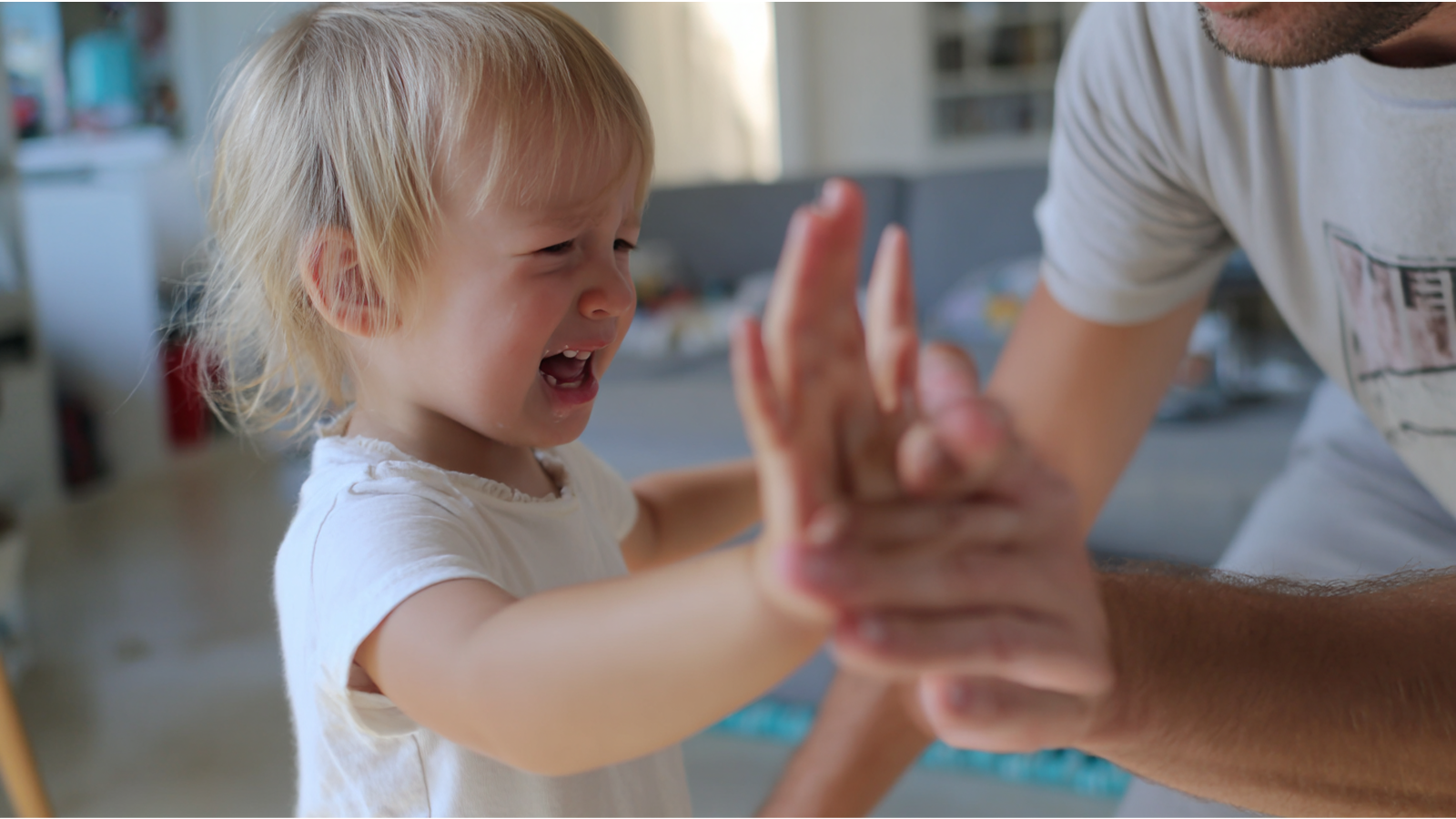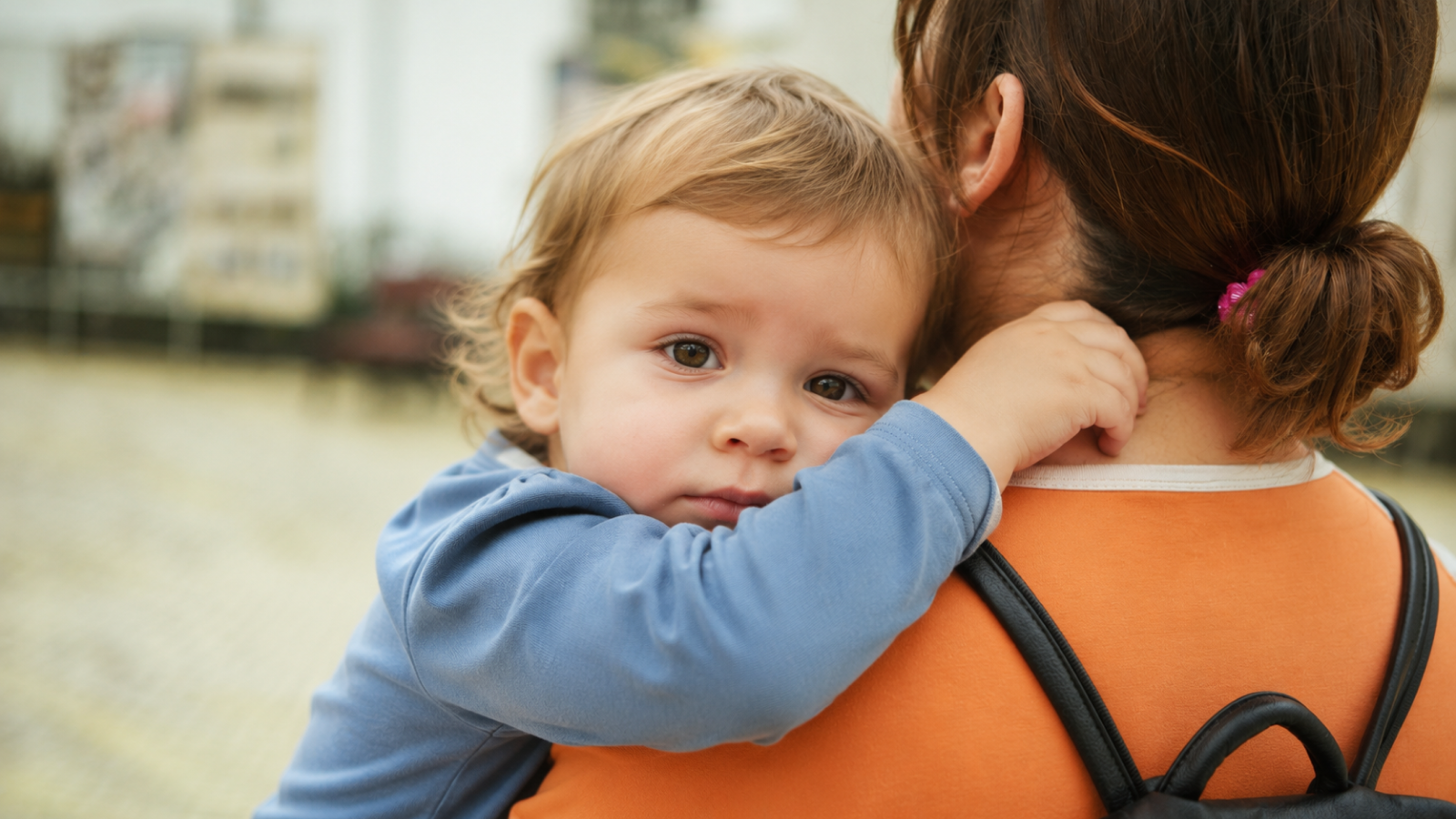
Is your child clinging to you, crying while getting dressed, or refusing to go to daycare at all? For many parents, situations like this are stressful and raise questions: Is my child not ready for daycare yet? Am I doing something wrong? Or is there more behind it?
Tears at goodbye are often normal, especially in the first months of daycare and after changes. But they can also happen again later. Crying at drop-off does not automatically mean your child feels unhappy at daycare. What matters most is how they are after you say goodbye and how the rest of their day goes.
Why is saying goodbye so hard for some children?
Especially young children depend a lot on their trusted caregivers. At the same time, they only learn step by step how to cope confidently with longer separations.
On top of that, daycare brings many new impressions:
- new caregivers
- many other children
- unfamiliar noises
- new rules and routines
- less individual attention
This can be exhausting even for curious children. Transitions like the morning drop-off can make this tension visible.
What is often still normal?
Many children show, at times:
- crying at goodbye
- clinging to mom or dad
- wanting to go back home with you
- protesting when getting dressed in the morning
- a stronger need for closeness after daycare
- more tiredness or getting irritated more quickly
Children often calm down shortly after the goodbye and then settle into the daycare day well. An important factor is also how well the early childhood professionals can comfort your child and support them in calming down.
How can you tell if it is more likely separation stress?
Temporary separation stress is often suggested when:
- your child mainly cries during the goodbye
- they can be comforted by a familiar staff member
- they then start playing and taking part in the daycare routine
- at home, they also talk about or show nice experiences from daycare
- the situation improves over time or only happens in phases
After vacations, illness, or other changes, separation stress can temporarily become stronger again. This does not have to be a setback and often settles again for many children as soon as everyday life feels more familiar.
When could it be overwhelm?
Sometimes refusing daycare shows that your child is struggling not only with the goodbye, but with the current situation overall.
Possible signs include:
ongoing crying for a longer time at daycare
clear withdrawal or hardly any interest in playing
strong fears even outside the drop-off situation
sleep problems or nightmares that last for a longer time
recurring physical symptoms such as stomach aches with no clear cause
clear changes in eating or behaviour
no gradual improvement over several weeks
In that case, it can be helpful to take a joint look at the situation with the daycare. Depending on what’s going on, a talk with your paediatrician’s practice can also be useful.
What helps your child with saying goodbye?
Many children do well with a clear, reliable routine. Repeating rituals give them orientation and make the transition more predictable.
For example, it can help to:
- keep mornings as similar as possible
- keep the goodbye short and clear
- not keep delaying the goodbye over and over again
- clearly say when you’ll be back, for example “after lunch”
- show trust in the daycare caregivers
- plan some dedicated closeness and cuddle time after daycare
A short, reliable goodbye is easier for many children than several new attempts.
What should you avoid?
Some well-meant reactions can make saying goodbye even harder:
- leaving secretly without saying goodbye
- coming back again and again after saying goodbye
- long discussions about going to daycare
- threats or blaming
- promises that can’t be kept later
Children feel safe when things are predictable and when their caregivers react in a reliable way. They can also learn that separation, frustration or uncertainty are manageable – when they are supported with warmth and care in these moments.
When should you seek support?
Talk to the daycare and, if needed, to your paediatrician’s practice if your child:
- makes hardly any progress over several weeks
- still seems very distressed for a long time after saying goodbye
- regularly develops physical complaints
- shows strong fears that also affect other areas of everyday life
- changes clearly overall in behaviour or personality
- loses skills they had already learned
Often, it already helps to take a shared look at when the difficulties happen, how long they last, and how your child is doing after the goodbye, to better understand the situation.
Feeling safe at goodbye time develops over time
Separation stress is part of settling in for many children and can also come back later during changes. Crying at goodbye time on its own is therefore usually not a reason to worry.
What matters is whether your child increasingly settles into the daycare day after the goodbye, can be soothed by familiar people, and feels safe there overall. Reliable rituals and good cooperation between parents and daycare can support this process.
Support your child through settling in at daycare
With the tio App, you get age-appropriate information about settling in, development, and emotional milestones. You can also record changes in behavior, sleep, or well-being and better understand developments over several weeks.