Your child's nose is running, they keep sneezing, and there's a persistent cough. Especially in spring or autumn, many parents wonder: Does my child have a cold, or could it be an allergy?
It's not always easy to tell the difference, as some symptoms are similar. However, there are typical signs that can help identify the cause more clearly.
How do colds and allergies differ?
A cold is caused by viruses and usually clears up on its own after a few days.
An allergy, on the other hand, occurs when the immune system overreacts to harmless substances like pollen, dust mites, or pet dander. As long as there is contact with the trigger, symptoms can persist or recur.
What symptoms suggest a cold?
A cold often starts slowly and develops over one to two days.
Typical signs include:
- Runny nose with initially clear, later often thicker nasal discharge
- Cough
- Sore throat
- Mild to moderate fever
- Fatigue
- Reduced appetite
- General feeling of being unwell
Symptoms usually improve within one to two weeks.
What symptoms suggest an allergy?
With an allergy, different symptoms are often more prominent.
For example:
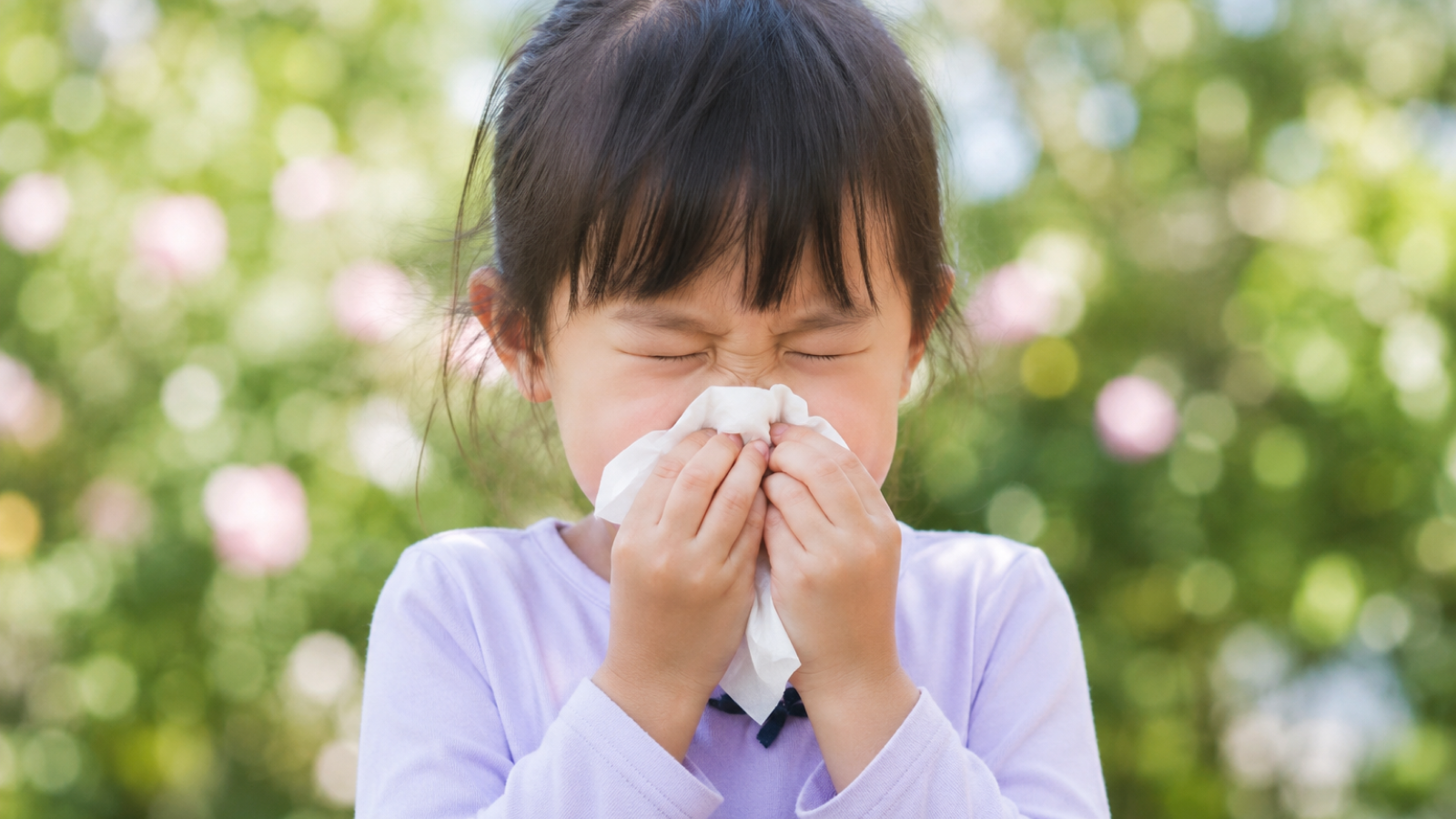
- Sudden, frequent sneezing
- Constantly runny, clear nose
- Intense itching in the nose, eyes, or throat
- Watery or red eyes
- Symptoms mainly outdoors during pollen season or after contact with animals
- Little or no fever
- Generally good overall condition
Many children seem fit despite the symptoms and continue to play normally.
Can an allergy also cause a cough?
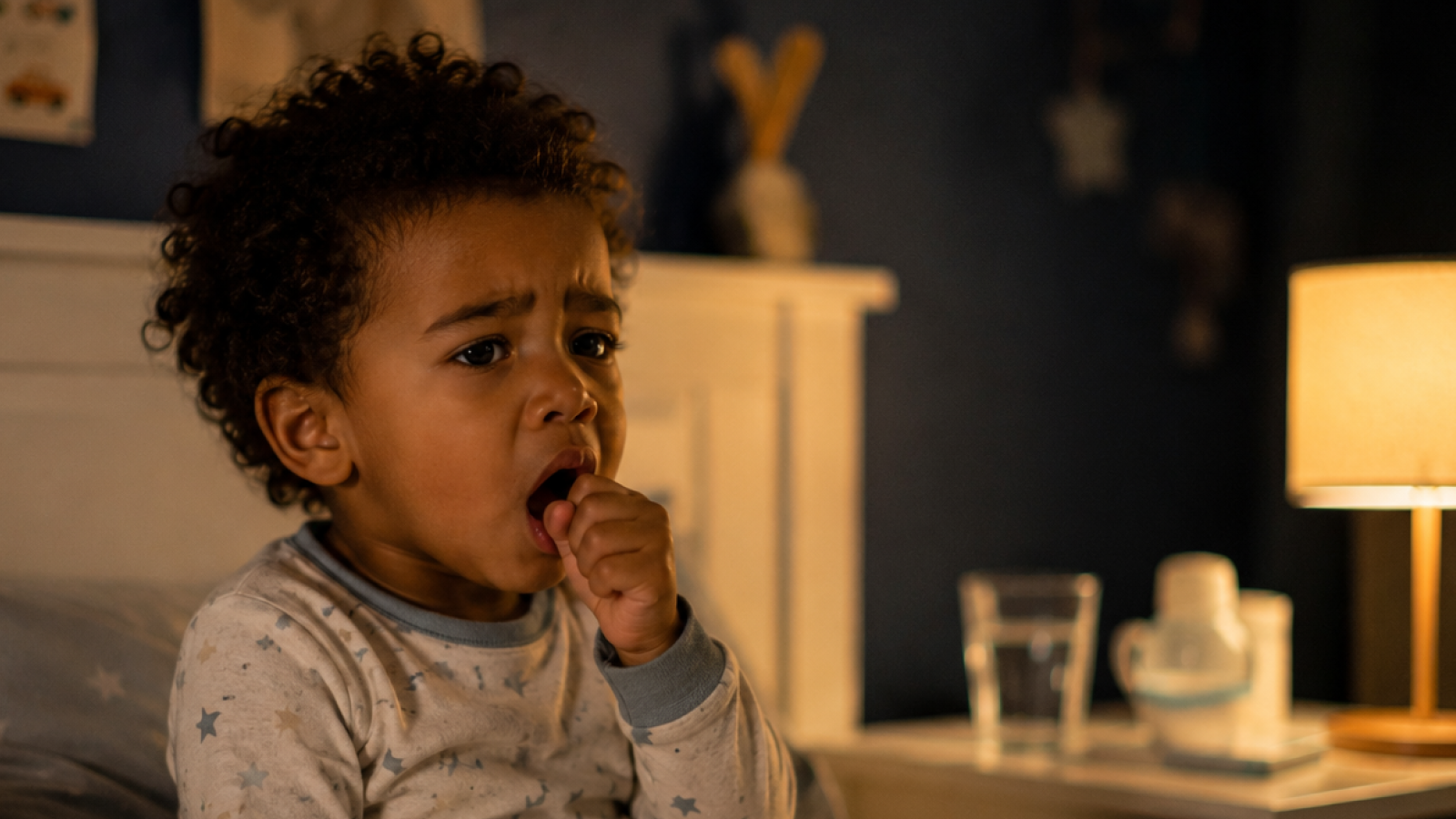
Yes. Especially when pollen or other allergens irritate the airways, a dry, tickly cough can occur. Some children clear their throat often or cough, particularly at night or when playing.
A productive cough with mucus is more often a sign of an infection.
Are there typical differences in the course?
The timeline often provides important clues.
A cold is likely if:
- Symptoms start after contact with people who have a cold.
- Symptoms change from day to day.
- Things usually improve after one to two weeks.
An allergy is likely if:
- Symptoms recur at the same time each year.
- They start after contact with specific triggers.
- They improve during vacations or when it rains.
- They persist for weeks or regularly return.
When might hay fever begin?
Many parents think allergies only appear in school-aged children. In fact, hay fever can start in early childhood, although it's less common.
Especially if:
- Allergies run in the family,
- your child also has eczema or asthma,
- or the symptoms return every spring or summer,
an allergic cause might be more likely.
What can you do first?
If you suspect an allergy, observe as closely as possible:
- When do the symptoms occur?
- Are they worse indoors or outdoors?
- Are there specific seasons or situations?
- Are the eyes affected?
- Does your child have a fever or seem unwell?
This information helps to better understand the pattern.
When should you visit the pediatrician?
A pediatric examination is advisable if:
- the symptoms last longer than two weeks,
- your child develops similar symptoms at the same time each year,
- there are severe eye symptoms,
- coughing or breathing problems occur,
- your child coughs frequently at night,
- or you suspect an allergy.
Depending on the symptoms, further examinations or a referral for an allergy assessment may be necessary.
Important to know
Runny nose and cough can be caused by both a cold and an allergy. While a cold usually clears up after a few days and often comes with a general feeling of illness, recurring symptoms without fever, intense itching, and watery eyes are more indicative of an allergy. The timing often provides the most important clues.