A mosquito bite after the playground, a wasp sting while eating ice cream, or a bee in the garden— insect bites are part of family life. They often itch, swell, and look more noticeable than they actually are.
Still, many parents wonder: Is the swelling still normal? What helps with the itching? And how can I recognize an allergic reaction?
Most insect bites in children are harmless and heal on their own within a few days.
What symptoms are normal after an insect bite?
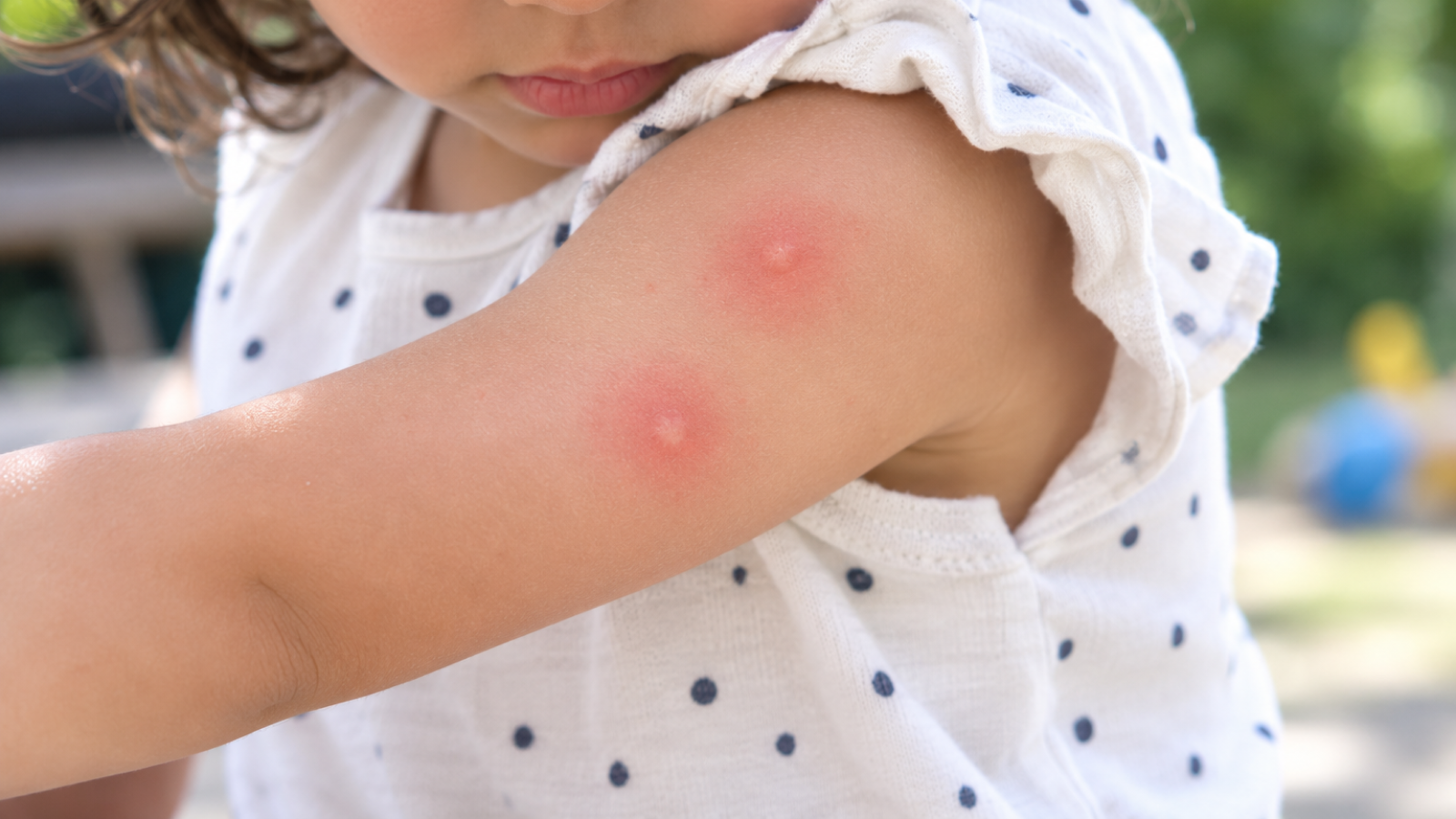
After a bite, the body reacts to the insect's saliva or venom, causing a local inflammatory reaction.
Typical symptoms include:
- a small redness,
- swelling around the bite area,
- itching,
- mild pain or burning.
Especially in young children, swellings can be larger than in adults. This doesn't automatically mean there's an allergy.
Why do some bites swell particularly strongly?
Especially on hands, feet, eyelids, or the face, even a normal insect bite can swell significantly.
Children who are bitten more frequently may sometimes react with larger local swellings.
As long as your child feels generally well and the swelling is limited to the area around the bite, there's usually no cause for concern.
What helps with swelling and itching?
Simple measures are often sufficient.
Helpful tips include:
- gently cooling the bite area,
- avoiding scratching,
- wearing loose clothing if the bite is under clothing,
- alleviating the itch through distraction or cooling.
For severe itching or pronounced swelling, the pediatrician can recommend suitable medications.
What to do in case of a bee sting?
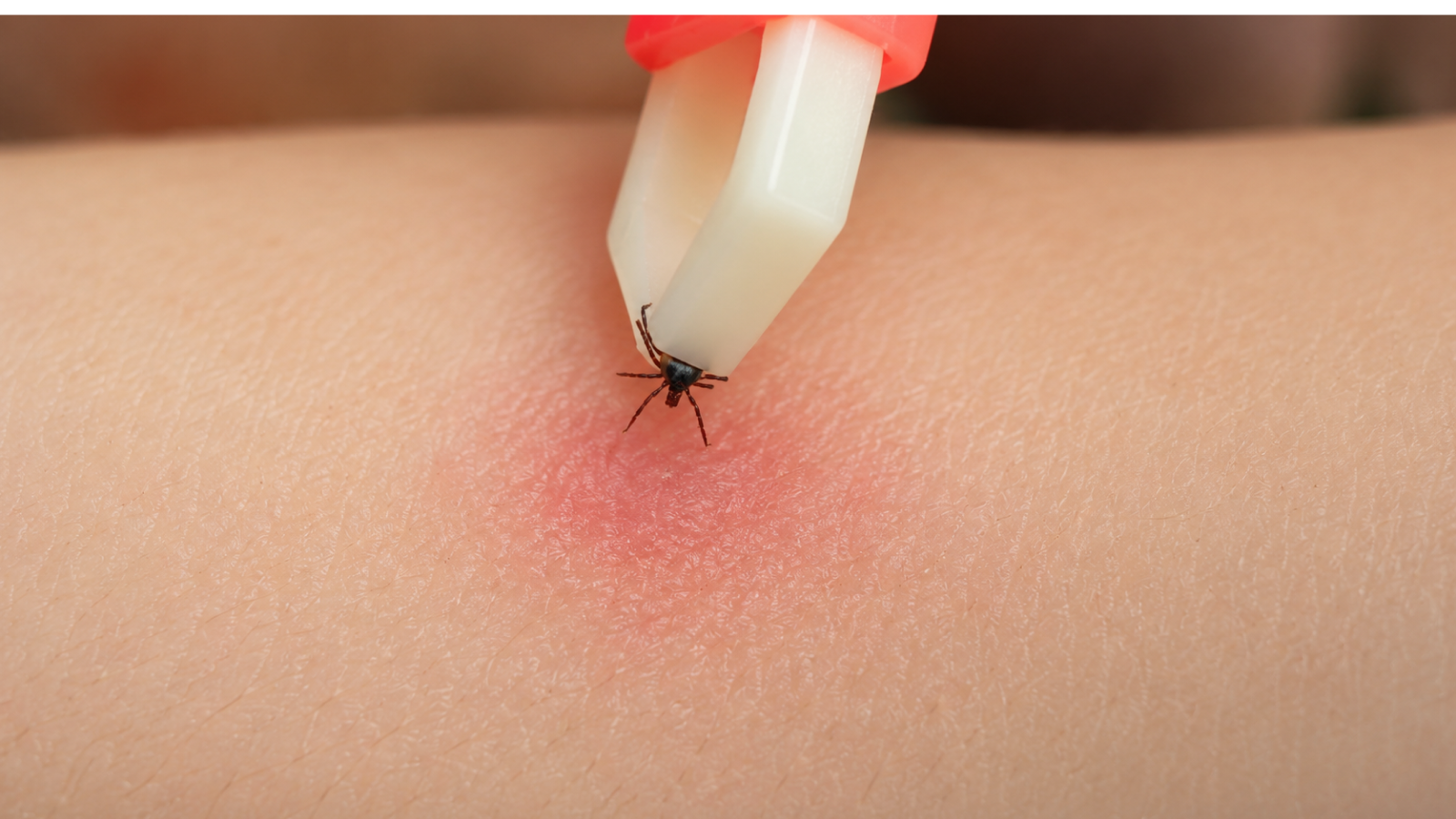
If a bee stings, the stinger may remain in the skin.
Remove it as quickly as possible without squeezing the venom sac further— for example, carefully with tweezers or by scraping it out sideways with a firm card.
Then you can cool the area.
With wasps, the stinger usually doesn't remain.
When should you visit the pediatrician?
A pediatric examination is advisable if:
- the swelling becomes very large or spreads further,
- severe pain occurs,
- the bite area becomes inflamed,
- pus develops,
- your child develops a fever,
- or the symptoms don't improve after a few days.
Bites in the mouth or throat should always be quickly assessed by a doctor, as swelling there can affect breathing.
When should you seek immediate medical help?
Call emergency services (112) immediately if your child experiences:
difficulty breathing after an insect bite,
wheezing or difficulty breathing,
swelling of the lips, tongue, or throat,
hives all over the body,
suddenly becoming very pale or weak,
losing consciousness,
or vomiting multiple times along with other symptoms.
These symptoms may indicate a severe allergic reaction (anaphylaxis) and require immediate treatment.
Can my child suddenly become allergic after the first sting?
Yes. An allergic reaction can occur even if previous stings were uneventful.
Fortunately, severe allergic reactions are generally rare. Most children only experience a more pronounced local swelling.
If your child has previously had a severe allergic reaction to an insect sting, discuss with your pediatrician's office what precautions are advisable for the future.
How to prevent insect stings
Complete protection is not possible, but some measures can reduce the risk.
Helpful tips include:
- not leaving sweet drinks or foods uncovered outdoors,
- avoiding walking barefoot on grass,
- wearing light-colored clothing,
- staying calm when wasps are nearby,
- using insect repellents suitable for your child's age,
- using mosquito nets over strollers or beds.
Important to know
Most insect stings cause only local redness, swelling, and itching and heal within a few days. Cooling and patience are often sufficient. However, if breathing difficulties, swelling in the mouth or throat area, or other severe symptoms occur, your child needs immediate medical attention.