The U2 examination takes place between the 3rd and 10th day of life. It is the first comprehensive physical check-up for your baby and is often conducted in the birth clinic. If you are already at home or had an outpatient birth, it will take place at a pediatrician's office.
During the U2, your baby is examined from head to toe. The focus is on assessing their physical development, adaptation after birth, and feeding and thriving behavior. It is also checked whether the recommended newborn screenings have already been done or need to be arranged.
U2 at a Glance
Timing: 3rd to 10th day of life
Location: Birth clinic or your pediatrician's office
Duration: Usually about 20 to 30 minutes
Focus: Comprehensive assessment of the newborn's health and adaptation
You should ideally arrange an appointment at the practice before the birth. Pediatric practices may not always have short-notice appointments available for the U2.
What is examined during the U2?
The pediatrician will thoroughly examine your baby, checking if organs, body structure, and movements are age-appropriate.
The U2 includes, among other things:
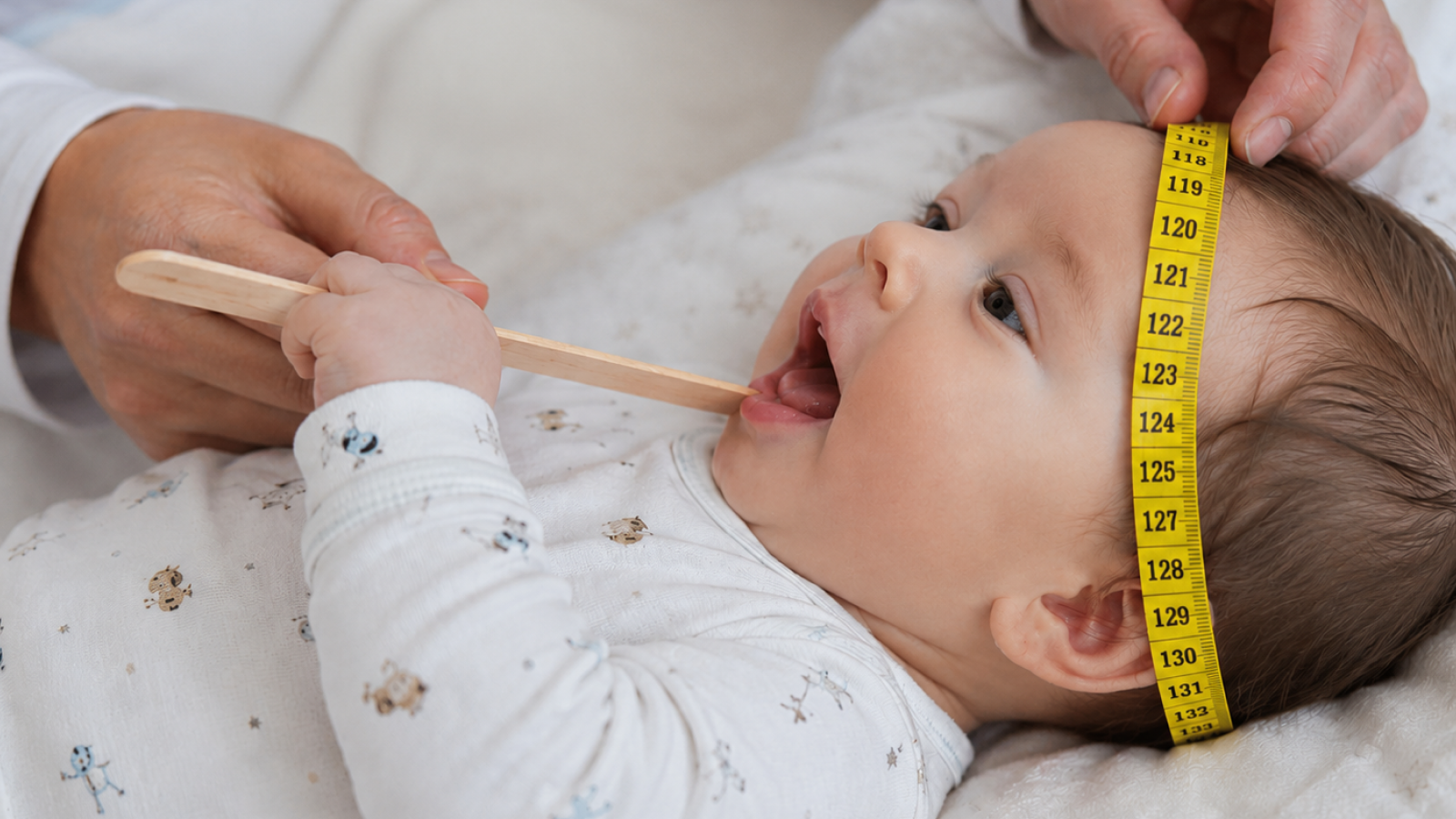
- Weight, body length, and head circumference
- Skin color and possible jaundice
- Heart and circulation
- Lungs and breathing
- Abdomen and internal organs
- Mouth, jaw, and palate
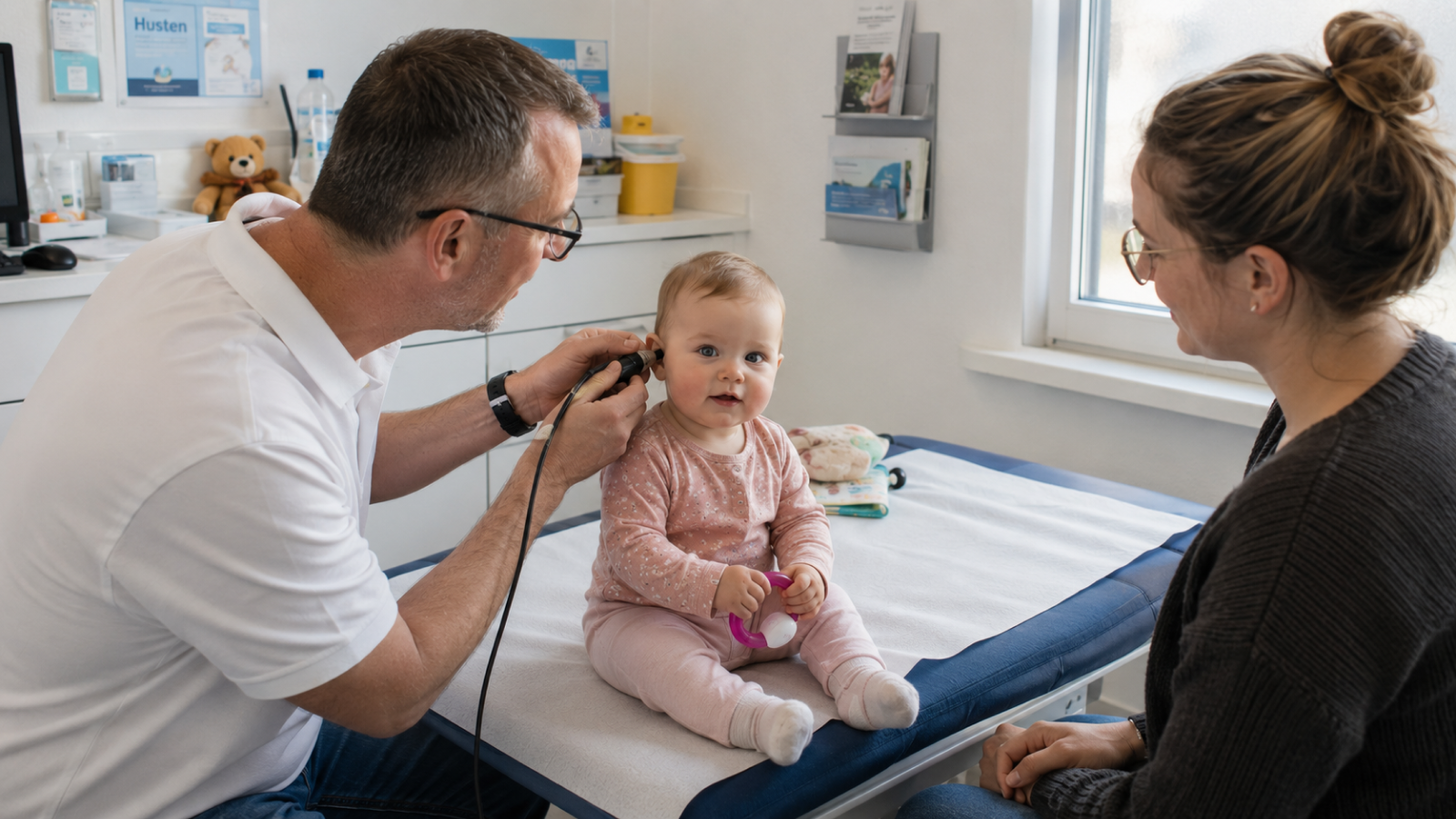
- Eyes and ears
- Fontanelles and head shape
- Spine, arms, legs, and feet
- Hip joints
- Genital area and anus
- Muscle tone, movements, and innate reflexes
Possible birth injuries or physical abnormalities are also checked.
Weight and Feeding: What is normal in the first days?
Almost all newborns initially lose weight after birth. This is partly because they excrete fluids and milk production is still being established.
During the U2, not only the current weight is considered. Important factors include:
- How much weight has your baby lost since birth?
- Is your baby drinking regularly and vigorously?
- Can your baby be woken up to feed?
- Are there enough wet diapers?
- Does your baby seem satisfied after feeding?
- Is the weight starting to stabilize?
Breastfeeding or bottle-feeding may not work smoothly in the first days. If your baby is not latching well, falls asleep quickly while feeding, or you experience pain while breastfeeding, the U2 is a good time to discuss these issues.
Is my baby's yellowing normal?
Many newborns develop a mild newborn jaundice in the first days of life. This is when the yellowish blood pigment bilirubin temporarily deposits in the skin and eyes.
Most of the time, this is harmless and resolves on its own. However, during the U2 examination, attention is paid to:
- the intensity of the yellowing,
- when it started,
- whether your baby is feeding well,
- how alert and active they seem,
- and whether a bilirubin test is necessary.
Timely monitoring is important if your baby becomes increasingly yellow, appears very sleepy, is difficult to wake for feeding, or feeds significantly less.
What Newborn Screenings Occur Around the U2?
The Joint Federal Committee lists the expanded newborn screening, cystic fibrosis screening, hearing screening, and pulse oximetry screening as separate early detection services.
Expanded Newborn Screening
For the so-called heel-prick test, a few drops of blood are placed on a filter card. The blood sample is usually taken between 36 and 72 hours after birth.
It screens for rare congenital metabolic, hormonal, and immune system disorders. Many of these conditions initially show no visible symptoms but can be treated much more effectively if detected early.
Cystic Fibrosis Screening
The same blood sample can also be used to screen for cystic fibrosis. This requires separate medical information and consent.
An abnormal screening result does not necessarily mean your baby has the condition. It simply indicates that further testing is needed.
Newborn Hearing Screening
A quick and painless hearing test checks whether both ears can adequately perceive and transmit sound signals.
The test is usually conducted while your baby is sleeping. If the result is abnormal, it might be due to amniotic fluid in the ear canal, restlessness, or technical factors. In such cases, the test is repeated or further evaluated.
Pulse Oximetry Screening
A small sensor on the hand or foot measures the oxygen saturation in the blood. This can help detect certain serious congenital heart defects early.
The test is painless and only takes a few minutes.
Why Does My Baby Receive Vitamin K at the U2?
Newborns have only small stores of Vitamin K, which is important for normal blood clotting.
To prevent rare but serious bleeding, a three-time oral Vitamin K administration is usually offered in Germany:
- first dose at the U1
- second dose at the U2
- third dose at the U3
The administration and any special notes are documented in the Yellow Booklet.
When Do Vitamin D and Fluoride Begin?
During the U2, it is often discussed when to start daily prevention against rickets and cavities.
It is common to give daily vitamin D during the first year of life and often into the second winter. Additionally, fluoride in tablet form is usually recommended until the first tooth appears.
After the first tooth erupts, the fluoride recommendation depends on whether fluoride toothpaste is used. Fluoride tablets and fluoride toothpaste should not be used simultaneously without coordination.
Therefore, have the pediatric practice explain specifically:
- which preparation to use,
- when to start,
- how long to give it,
- and how the recommendation changes after the first tooth.
What does the color of stool mean?
In the first days, your baby's stool changes noticeably:
- first dark green to black meconium,
- then greenish-brown transitional stool,
- later yellowish stool in breastfed babies.
Very light, gray, whitish, or nearly colorless stool is not normal. It may indicate a rare bile flow disorder and should be quickly checked by a doctor.
A stool color chart can help identify unusual colors. Not all clinics or practices provide them separately; relevant illustrations may also be included in the Yellow Booklet or informational materials.
Safe Sleep: What is discussed at the U2?
Advice on safe baby sleep is one of the important topics of the first preventive examinations.
Recommendations include:
- placing your baby on their back to sleep,
- using a firm, flat mattress,
- avoiding pillows, blankets, crib bumpers, and stuffed animals in the crib,
- letting your baby sleep in a sleeping bag,
- ensuring a smoke-free environment,
- avoiding overheating.
If you have questions about co-sleeping, bedside cribs, or nighttime breastfeeding, feel free to discuss your specific sleep situation openly.
What should you bring to the U2?
If the U2 takes place in a pediatric practice, it is helpful to bring:
- Yellow examination booklet
- Discharge report or birth documents
- Proof of any screenings already performed
- Health card or insurance proof
- Diapers and a change of clothes
- Food and bottles, if your baby is bottle-fed
- A list of your questions
An immunization record is usually not required for the U2. It can be created or issued later.
What questions can you address at the U2?
The U2 is not just a physical examination. It also provides space for everything that concerns you in the first days.
For example:
Is my baby drinking enough?
Is the weight loss still within the expected range?
Is this yellowing normal?
Why does my baby sleep so much?
How often should they have wet diapers?
What helps with sore nipples or pain while breastfeeding?
How can I tell if my baby is too warm or too cold?
What is the right Vitamin D and fluoride supplementation for us?
When does the U3 examination take place?
Feelings of uncertainty, exhaustion, or difficulties with feeding are also important topics to discuss.