When many children are coughing and sniffling in autumn or winter, you often hear the term RSV too. Especially in babies, this understandably makes many parents nervous. How dangerous is RSV? How can you recognise the infection? And when should your child be seen by a doctor?
The good news: Most RSV infections are like a common cold and get better on their own. However, especially in very young babies and in some at-risk children, RSV can cause more severe breathing problems. That’s why it’s worth keeping a close eye on how things develop.
What is RSV?
Respiratory syncytial virus (RSV) is one of the most common causes of respiratory infections in infants and young children.
Almost all children catch RSV at least once in their first two years of life. Infections are especially common in the autumn and winter months.
RSV is mainly spread through droplets and close contact, and it is highly contagious.
What symptoms does RSV cause?
The illness often starts like a normal cold.
Typical symptoms are:
- runny nose
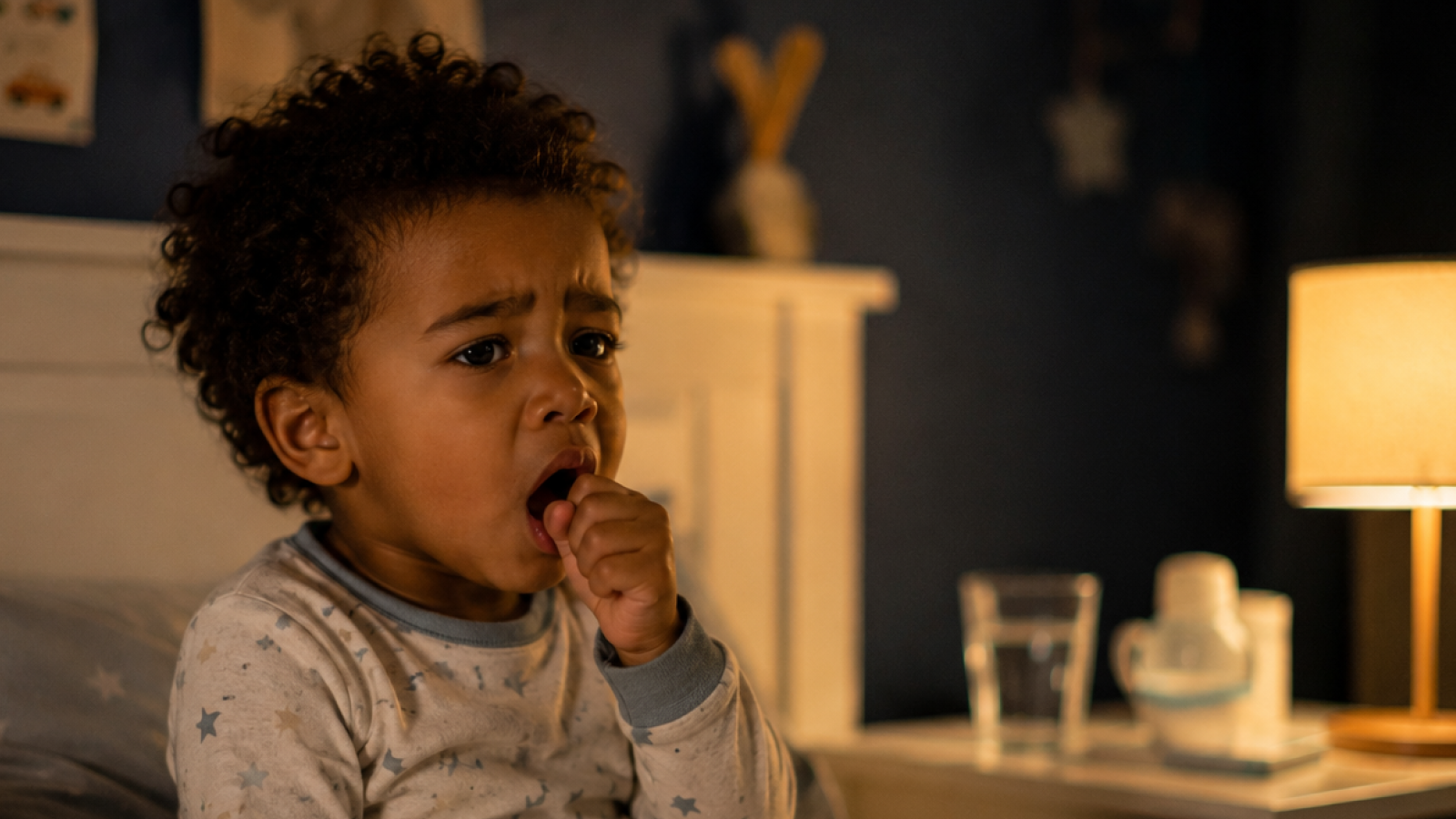
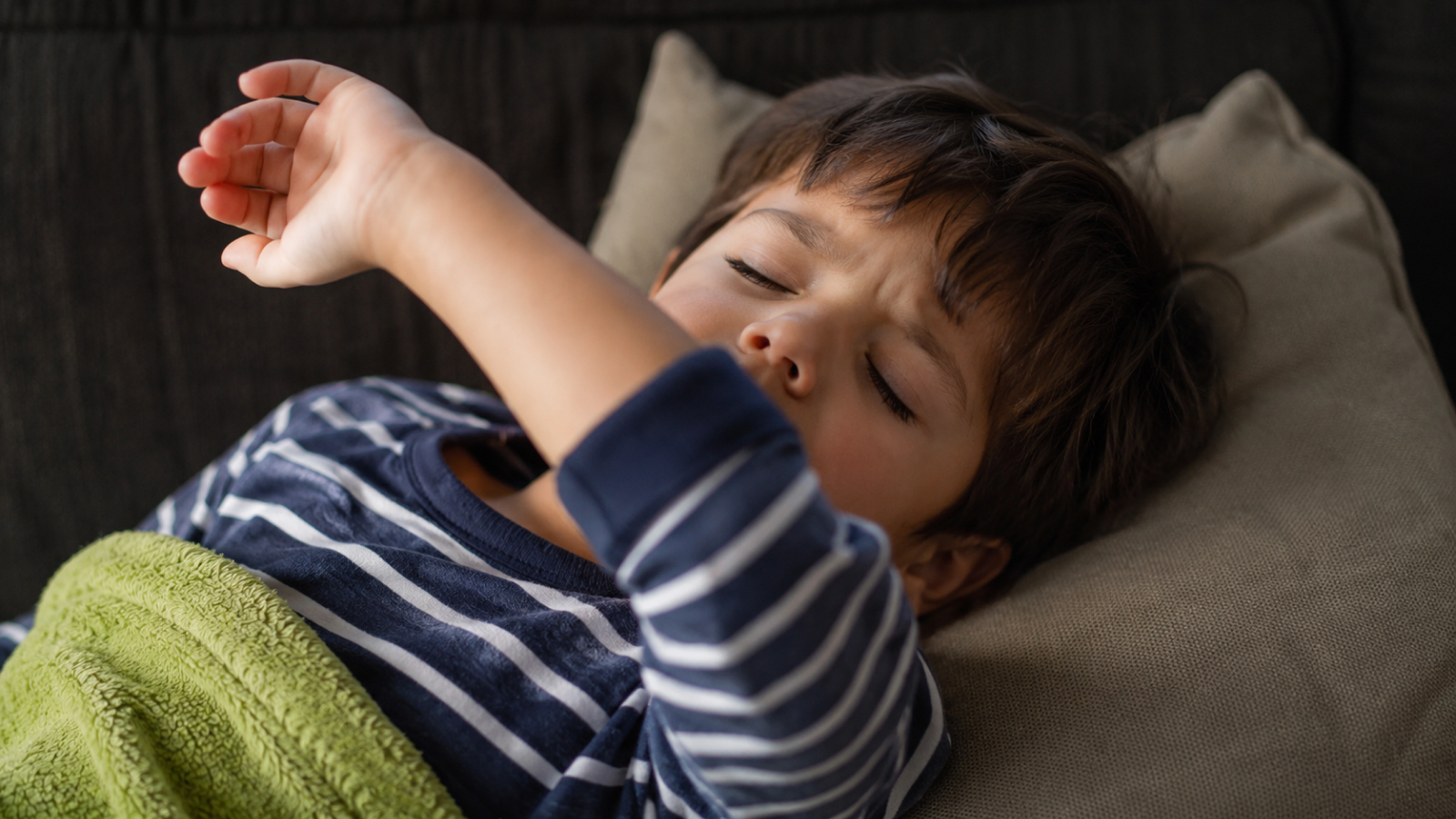
- cough
- mild to moderate fever
- sneezing
- reduced appetite
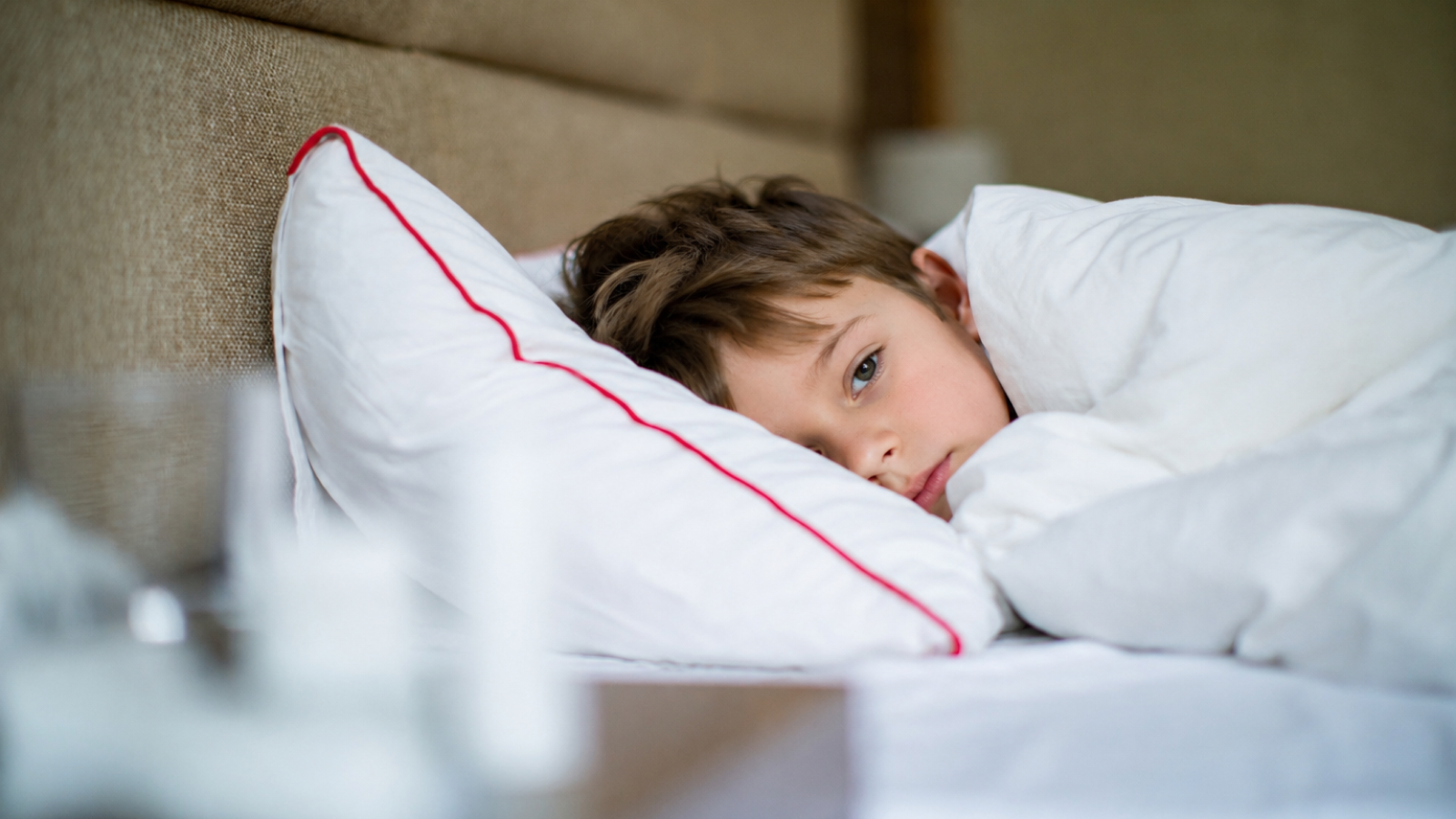
- tiredness
- trouble feeding/drinking
Many children only have these symptoms and recover within a few days.
Why RSV can sometimes be more problematic in babies
In infants, the airways are still very narrow. Even small amounts of swelling or mucus can make it harder to breathe.
This is why babies under six months are more likely to develop what is called bronchiolitis – an inflammation of the small airways.
The following can occur:
- fast breathing
- laboured breathing
- severe cough
- wheezing sounds when breathing
- the skin pulling in between the ribs or under the chest
- difficulty feeding/drinking
This is why paediatricians pay special attention to breathing in cases of RSV.
Which children have a higher risk?
A more severe course is more likely in:
- babies under six months
- premature babies
- children with trisomy 21
- children with heart or lung conditions
- children with certain neurological conditions
- children with a weakened immune system
For these children, the threshold for seeing a paediatrician is often lower.
How can you recognise warning signs?
Your child should be seen by a paediatrician soon if they:
- are breathing clearly faster or with more effort
- show the skin pulling in between the ribs or at the neck
- make wheezing or groaning noises when breathing
- are hardly drinking
- have significantly fewer wet nappies
- seem unusually sleepy or hard to wake
- develop bluish lips or skin
- are younger than three months and have a fever of 38.0 °C or higher
If your child has severe shortness of breath or a bluish discoloration, you should call the emergency number 112 immediately.
How is RSV treated?
For otherwise healthy children, there is usually no specific antiviral treatment for RSV.
The main focus is to support the body.
This includes:
- drinking enough fluids
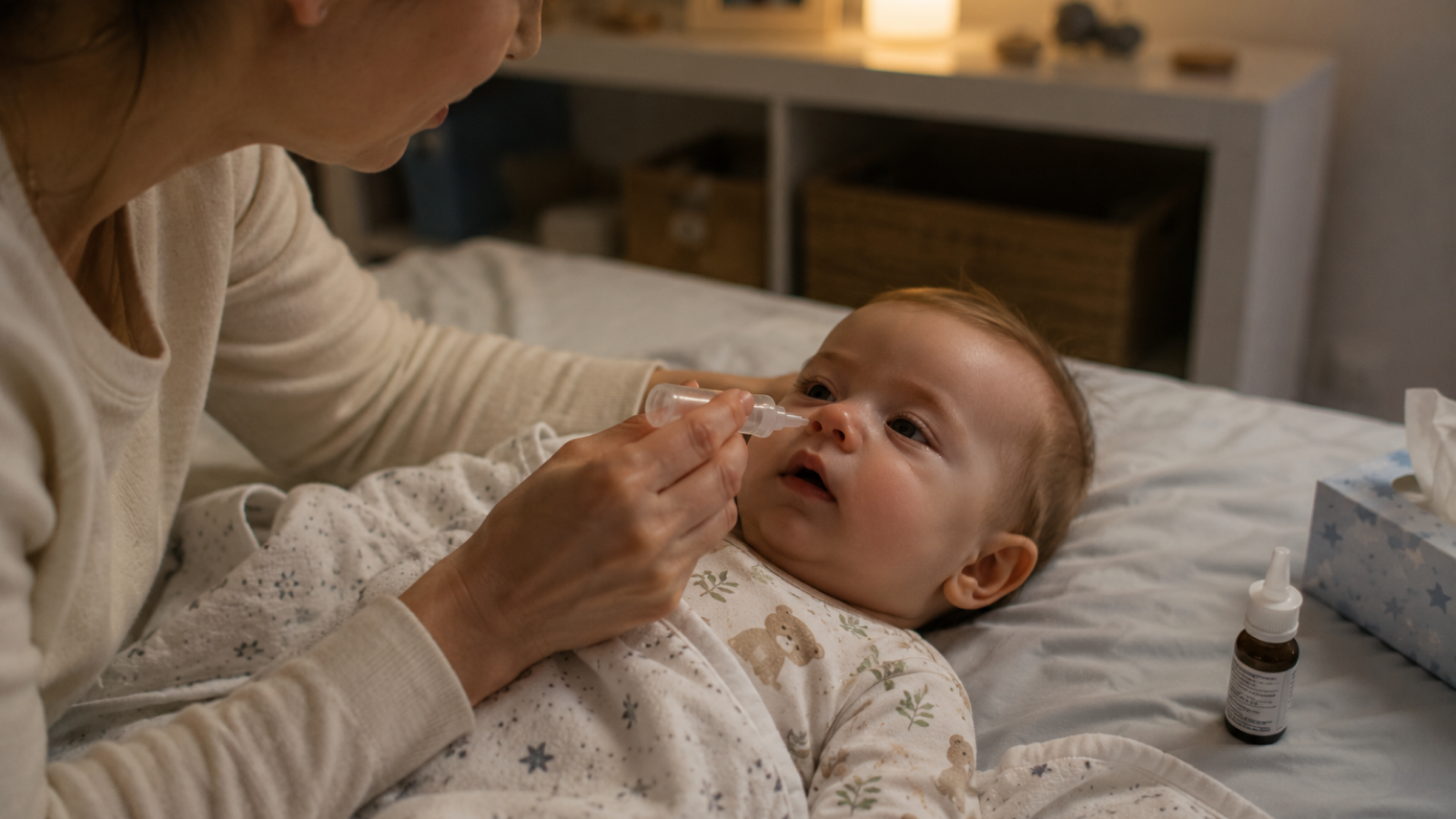
- keeping the nose clear with saline solution or decongestant nasal drops
- allowing rest and sleep
- treating fever if needed, as recommended by your pediatric practice
Antibiotics do not help against RSV because the illness is caused by viruses.
In more severe cases, treatment in hospital may be necessary, for example if children need oxygen or fluids through an IV.
How long does an RSV infection last?
Most children feel much better after about one to two weeks.
The cough can last for a few more weeks – as it can after other respiratory infections.
Especially in the first few days, symptoms can get worse at first before they slowly start to improve.
**Can RSV be prevented?**RSV cannot be completely avoided – but today there is effective preventive protection, and the risk of infection can also be reduced through simple everyday measures.
Preventive protection with antibodies for your baby
It is recommended to protect all babies before their first RSV season (usually autumn/winter). For this, the baby is given a preventive antibody as a one-time injection.
- It is recommended for all newborns and infants who are heading into their first RSV season.
- Babies born during or shortly before the RSV season should ideally receive the antibody as soon as possible after birth; babies born before the season should receive it before the season starts.
- The antibody can significantly reduce the risk of an RSV-related hospital admission.
It’s best to discuss early on with your pediatric practice – or already at the maternity hospital – whether and when your child should receive the antibody, and whether extra protection may be useful for older at-risk children in their second season.
Additional everyday protection
These measures also reduce the risk of infection:
- washing hands regularly
- having as little contact as possible with people who have a cold
- keeping the child’s environment smoke-free
- airing rooms regularly
- thoroughly cleaning frequently used items
RSV or a normal cold?
Based on symptoms alone, RSV often cannot be clearly distinguished from other cold viruses.
For parents, this is usually not crucial. Much more important is the question:
- How well is your child breathing?
- Are they drinking enough?
- Do they seem stable overall?
- Are the symptoms developing as expected, or are they getting worse?
These observations are often more helpful than the exact name of the virus.
What matters most with RSV
Most RSV infections are uncomplicated and can be managed at home. The key is to keep a close eye on breathing and drinking – especially in young babies. If your child is finding it increasingly hard to breathe, is hardly drinking anymore, or seems clearly more unwell overall, they should be checked by a pediatrician soon.
Keep an eye on the infection
With the tio App, you can easily document cough, breathing, temperature, drinking and other symptoms. This helps you notice changes over time more quickly, and if you have questions for your pediatric practice, you’ll have all the important information clearly at hand.