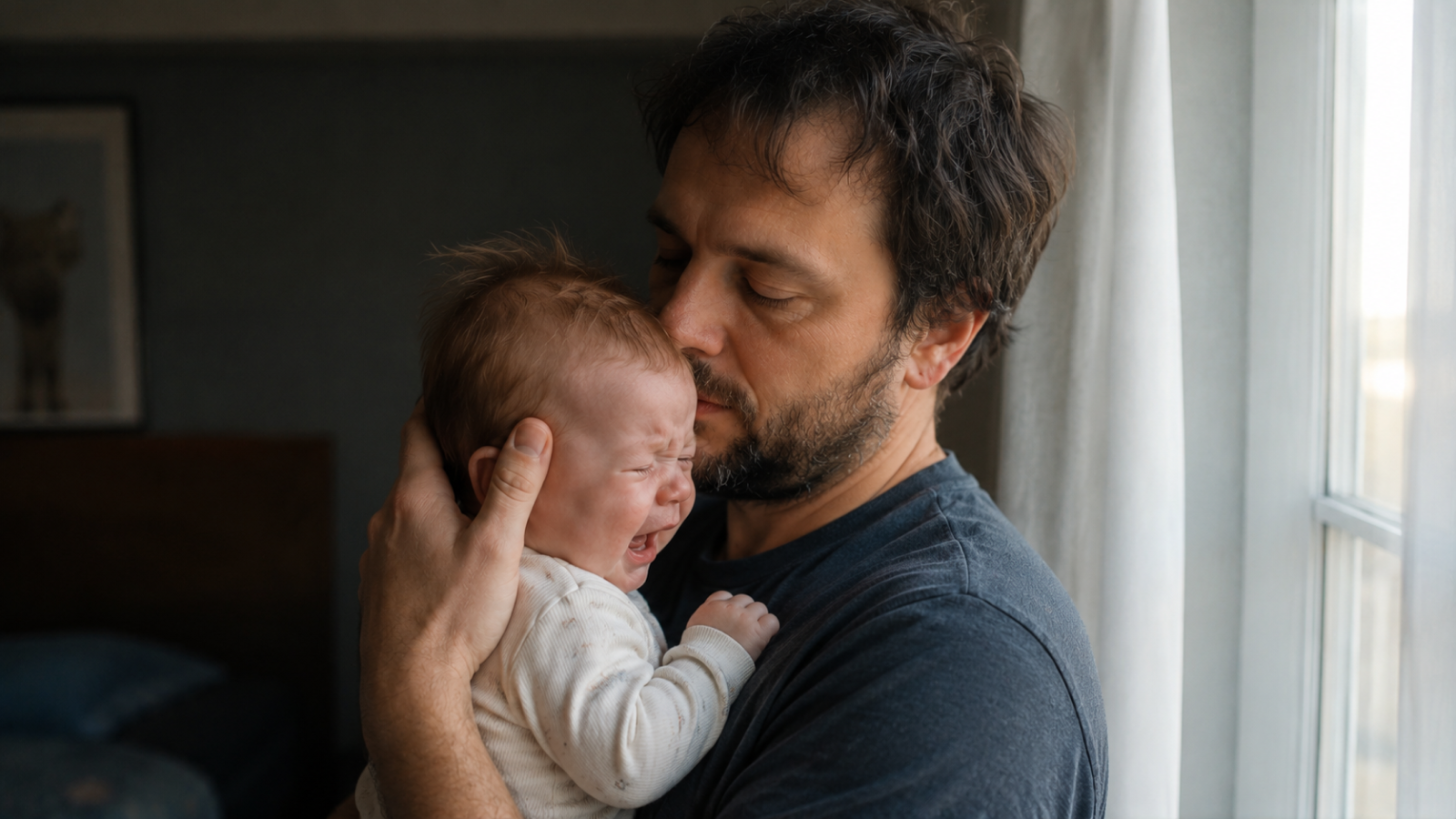
"My baby still isn't sleeping through the night – is that normal?" This question concerns many parents. Especially when other families mention that their child has been sleeping eight hours straight for months, uncertainty often grows.
First, a reassuring note: There is no set time when children must sleep through the night. In the first and even the second year of life, waking up at night and needing closeness is a normal part of development for many children.
What does "sleeping through the night" actually mean?
The term is used differently in everyday life.
From a medical perspective, "sleeping through the night" often means a baby sleeps about five to six hours in a row. Many parents, however, understand it as a full night without waking or needing help.
These different interpretations often lead to unrealistic expectations.
How does sleep develop in the first and second year?
Sleep changes repeatedly during the first two years of life.
In the first six months
Many babies:
- do not yet have a fixed day-night rhythm
- wake up regularly to feed
- often need physical contact to fall asleep
- sleep many hours in total, but in short segments
Between 6 and 12 months
Sleep often becomes more structured. At the same time, developmental milestones, teething, or infections can cause children to wake up more frequently temporarily.
Between 12 and 24 months
Many children now sleep for longer stretches. However, night waking, bad nights, or phases with a greater need for closeness are still common.
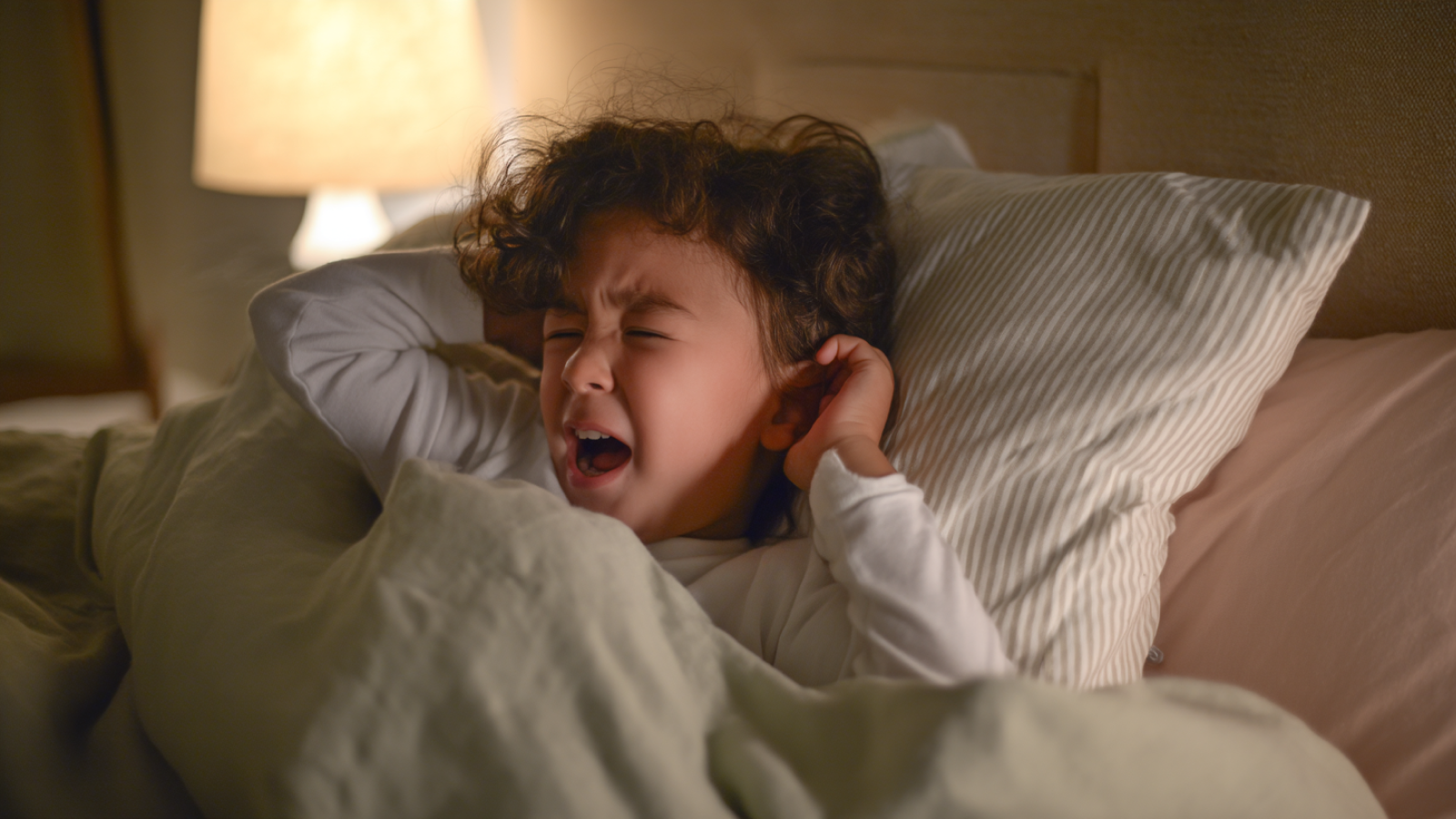
Why do children wake up at night?
Night waking is generally part of sleep – even for adults. The difference is: adults usually fall back asleep on their own, while young children often still need support.
Common reasons include:
- Hunger or thirst
- Developmental milestones
- Teething
- Infections
- Separation anxiety
- New experiences or changes in daily life
- The desire for closeness and security
Not every waking has a specific cause or means something is wrong.
What is still normal in the first and second year?
Many children:
- wake up once or multiple times a night
- want to be breastfed or fed
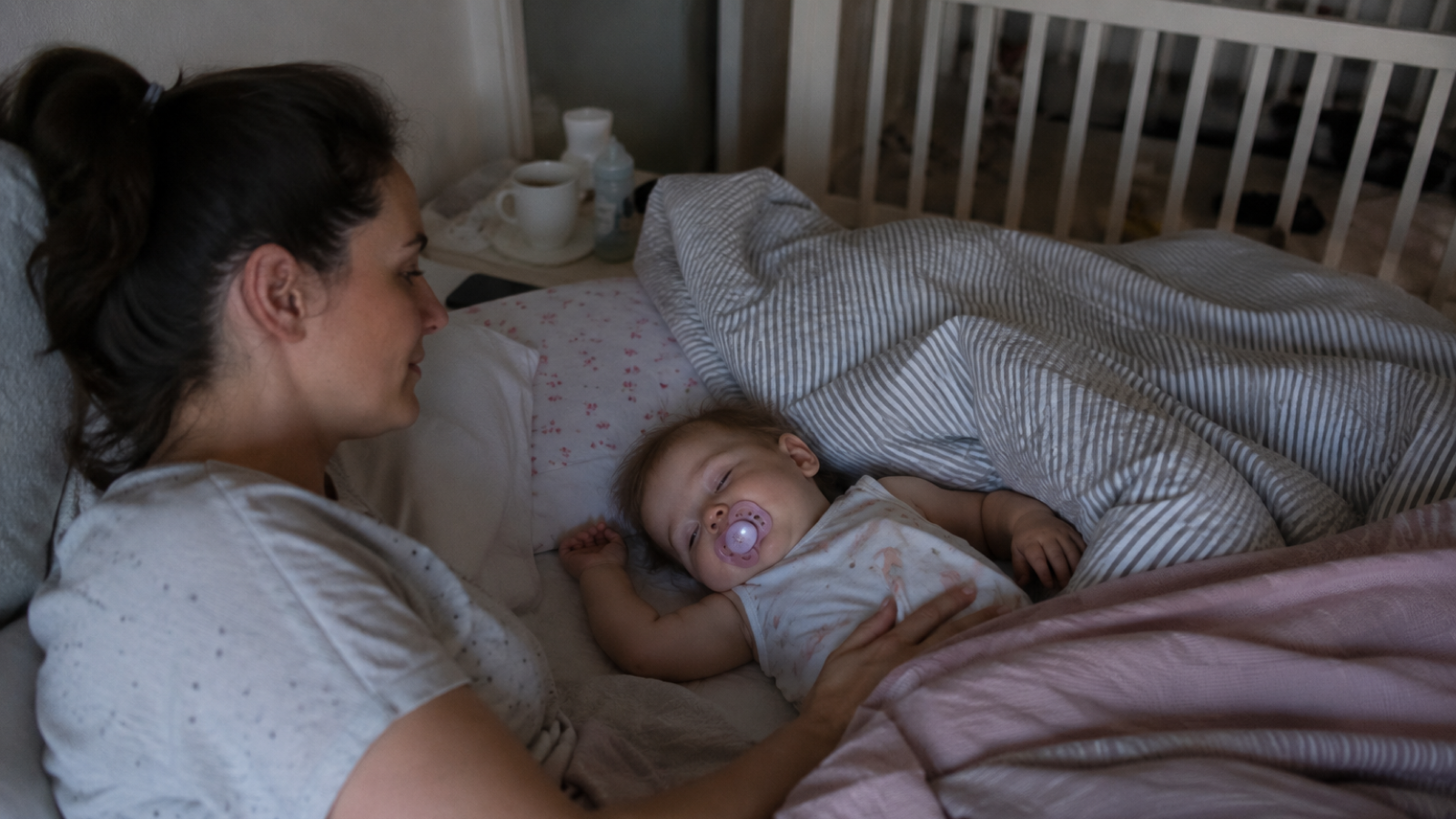
- need physical contact to fall back asleep
- sleep significantly worse in some phases than before
- have alternating good and bad nights
Such changes are part of everyday life for many families.
Does my child need to fall asleep alone?
No. There is no medical reason why every child must fall asleep or sleep through the night as early as possible.
Some children develop this ability early, while others need longer periods of help falling asleep or closeness. The key is that the sleep situation works well for your family overall.
What can make your nights easier?
There are no perfect sleep routines, but reliable habits often help.
For example:
- as regular sleep times as possible
- a calm end to the day
- consistent bedtime rituals
- a comfortable sleep environment
- enough time to wind down before bed
Not every bad night can be prevented – and that's completely normal.
When should you take a closer look?
Waking up at night alone is usually not a cause for concern.
Talk to your pediatrician if your child:
- consistently sleeps very poorly and seems very tired during the day
- regularly has breathing pauses or snores heavily
- experiences noticeable pain while sleeping
- gains little weight or has trouble feeding
- is unusually restless or hard to soothe at night
- if you feel there might be more behind the sleep issues
What often relieves parents
Many parents compare their child's nights with other families or with sleep plans from books and social media.
However, sleep develops very individually. Some children sleep for longer stretches early on, while others take much longer. Both can be completely normal.
More important than asking "Is my child sleeping through the night?" is often: Is my child developing well overall? Are they awake and active enough during the day? And is our family managing well with the current sleep situation?
Guidance for your family routine
There is no set time when children must sleep through the night. Waking up at night is part of normal development for many children in the first two years of life. As they mature, most children increasingly find their way back to sleep on their own. Until then, patience, realistic expectations, and reliable routines often help more than the pressure to achieve perfect nights quickly.